Mixing upbeat pop with depressing lyrics is arguably the biggest cliché in the indie music scene. Juxtaposing the two sounds is an easy way for lesser bands to come off as deep while cleverly hiding an inability to craft complex music. Deerhunter are among a small subset of bands that have proven able to rise above the trope. Over the past two decades, the band has created some incredibly layered music that warrants multiple revisits to understand its intricacies and hidden depths.
Deerhunter’s eighth album Why Hasn’t Everything Already Disappeared thankfully continues this trend, with the 10-song LP finding the band at both their most pop-sounding and their most nihilistic, with polished sounds playing off depressingly bleak lyrics.
Take the album’s second track, “No One’s Sleeping”, where the electric clavichord and up-tempo drums hide the depressing childlike lyrics (“No one’s sleeping / great unrest / in the country / there’s much duress”). Frontman Bradford Cox has commented extensively on the influence played by British MP Jo Cox’s assassination at the hand of a right-wing assailant, but you wouldn’t dwell on it until you dig deeper.
Another standout track that repeats this recurring theme of pop-laden nihilism is “What Happens to People?”. There’s this 2-chord piano phrase that sticks in your head, almost distracting you from the song’s underlying message: “What happens to people? / They fade out of view”.
Disappeared is also notably timely and (very subtly) political, abandoning the band’s earlier nostalgia shtick. This is an album replete with visions of a decaying civilisation that call you not to arms, but to introspective attention, such as in “Détournement” or “Futurism”. It’s almost impossible in this day and age to devoid art from politics and the current state of the world, but Deerhunter’s take is somewhat refreshing even if it does require the occasional hiding-of-sharp-objects to process.
Album opener “Death in Midsummer”
Ultimately, Disappeared is probably not going to make too many year-end lists,
nor is it going to drastically expand the band’s wagon. Still, it’s a very
solid addition to an already stuffed catalogue, and will definitely have you
hitting replay (and, quite likely, a nearby pub).
Origami Harvest is an interesting, if inconsistent, album. There’s some really compelling jazz here. “the lingering velocity of the dead’s ambitions” is pleasingly jagged, which is where the album is at its best, but drags a few moments out for too long. The interplay between Kool AD and Ambrose Akinmusire in “blooming bloodfruit in a hoodie” is excellent, but the ad-libs drag the sound down. “miracle and streetfight” has an excellent conversation between the strings and the brass and the space in “Americana / the garden waits for you to match her wilderness” is very strong. The political tinge adds a little depth but needed more development if it were to add another dimension to the album.
Overall, this is an album that rewards a listen and one that stands out for the uniqueness of the pairing, but is nonetheless deficient in fairly significant ways.
4. Moses Boyd – Displaced Diaspora
This album is a fascinating view into London, not the London of Dickens and smog, but that of the many people that have through one means or another found their way there. It’s an album that does more than just talk about London’s history as a global city. Naturally then, it fuses a lot into the base sounds with Afro-bass in a few songs, including the energetic “Frontline” and rap in “Waiting on the Night Bus”, which has a nice traditional jazz feel, but is sadly weighed down a little by that same “City Nocturne” however stays traditional but is elevated by the fantastic vocal work of Zara McFarlane.
It’s an album with undeniable grooves. Moses Boyd’s drumming and production are rightly acclaimed and this album showcases that well. Unfortunately though, the album does still pall on repeated listens. There’s plenty of cleverness in it and the diaspora adds some welcome challenge, but as a whole, it feels a little lacking. Nevertheless, it’s a fascinating and under-explored angle into a city often evoked and a strong musical piece to boot.
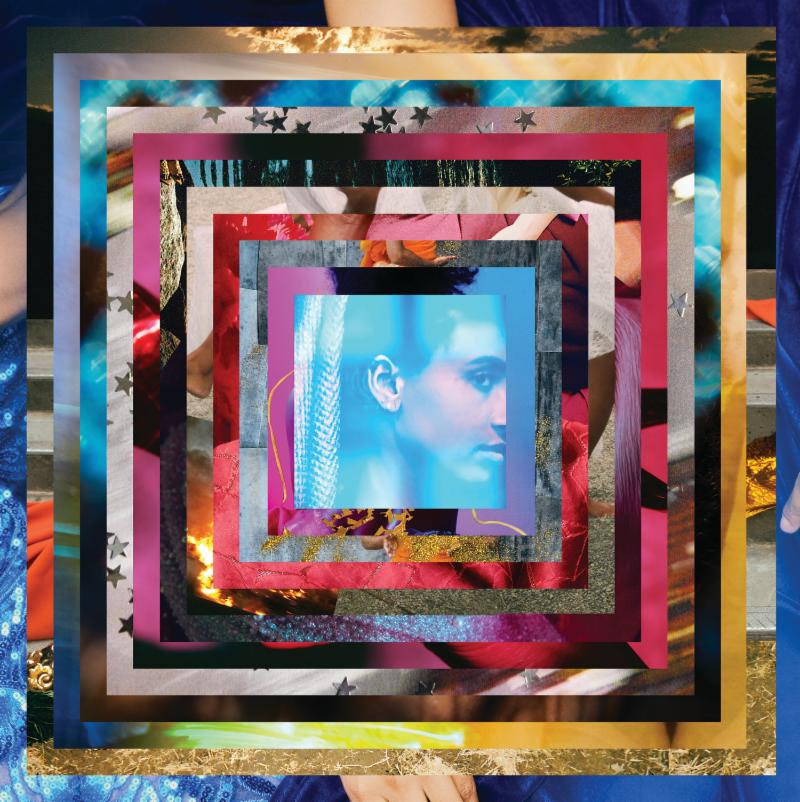
3. Esperanza Spalding – 12 Little Spells
This is a highly challenging album rife with atonalities, genre bending and odd meters, but somehow charming despite that and undeniably clever. It’s a gorgeous puzzle box of an album that pushes at you again and again. There’s more than enough here to reward you for the considerable effort that the album asks for and the album makes that effort fun to spend. You should definitely give it a listen and then give it a bunch more so as to fully appreciate what it does.
2. Joey Alexander – Eclipse
It’s hard not to be excited about Joey Alexander. His debut was fantastic and he goes from strength to strength. It’s not just that he is a prodigy, it’s that his skill is prodigious. He has a great flair for the unexpected, which shows up well in “Space” and an ear for the gentle and beautiful as in “Time Remembered” and “Bali.” Additionally, his guest Joshua Redman does fantastic work in his solos in “Fourteen” and “The Very Thought of You” which are then matched wonderfully Joey Alexander’s piano work. It’s even very approachable and his version of “Blackbird” is worth checking out no matter your comfort level with Jazz. My only complaint is that the album as a whole could have used a little more challenge, but the album is so charming and cheerful and refreshing to listen to that the complaint seems almost misdirected. Eclipse is just something that you are glad to have listened to.
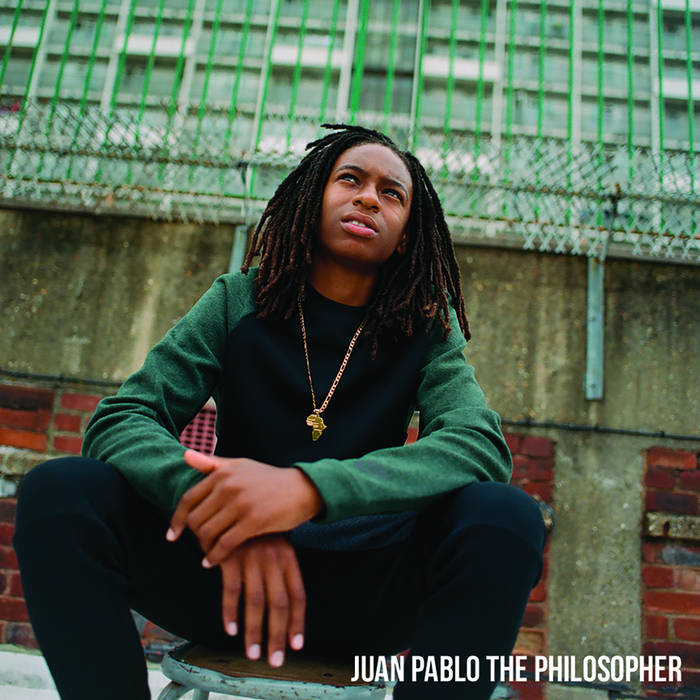
1. Ezra Collective – Juan Pablo: The Philosopher
This is an excellent album and another that’s just a pleasure to listen to. It’s underpinned by good, traditional jazz but layers on fascinating world influences from Africa to South America and the Caribbean. “Juan Pablo” in particular benefits from this openness and then again in the drums of “The Philosopher.” These are upbeat songs that energize while still fully engaging the mind. The highlight though is the final song, an unorthodox and wonderful take on “Space Is The Place”, the famous Sun Ra piece. There’s even space in this album for the more drawn out sounds of “People In Trouble.” This is a very, very strong sophomore effort and an album that I cannot recommend highly enough, both for people deep into jazz and for people looking to try some out. You should definitely listen to it.
LIFAFA
is the solo electronic project from Suryakant Sawhney, the lead singer of famed
New Delhi indie / jazz outfit Peter Cat Recording Co. While Peter Cat’s music
is often a dizzying mishmash of influences ranging from cabaret to psychedelia,
LIFAFA is more focused in its palette: desi,
electronic, nostalgic, intimate – yet danceable, too.
After a well-received debut EP (In Hi Ko) in 2014, Sawhney released a follow-up EP, Jaago, this month. Our favorite song from the album is the title track. With its harmonium-based intro and Sawhney’s wistful vocals, the listener is immediately pulled back into a Technicolor yesteryear. About halfway through, however, the song melds seamlessly into a dance track that references the same old-timey tones – cinematic swirls, dramatic embellishments – but in a fresh, modern way.
We recently
sat down with LIFAFA for a quick chat about the new music, artistic influences,
and much more. Read on:
Top Five Records: On Soundcloud, you describe your new track “Jaago” as Bhajan EDM, and honestly we could not put it any other way. How would you describe the LIFAFA sound overall?
LIFAFA: It’s a place where I’d like to imagine I have a completely blank infinitely large canvas to try whatever I like, however niche an idea and attempt to refine it till its limit before wiping it all clean and starting again on something else. So I guess right now what I’m working on is the sort of Hindi music I wish I heard playing around me. I’ve been driven insane by the fucking awful shit I hear playing outside on radios and giant tower speakers and I hope people steal or buy my music just so some of those speakers are tranquilized.
TFR: Where does Peter Cat end and LIFAFA begin? For example, are there some snippets that you shelve away because they have a more “LIFAFA” sound to them?
LIFAFA: For one, I’ve generally tried to steer those songs which require the precision of dance music production towards LIFAFA. I don’t necessarily separate on the basis of language or quality. But most importantly I’m never in both mind frames simultaneously anyway. It’s a switch I have tried to build slowly which allows me oscillate between a human who thinks and feels in English and one who thinks and feels in Hindi. It takes a bit of time to turn into either person again and everybody must suffer.
TFR:As with Peter Cat, your solo music has a dreamscape kind of feel – it’s often like listening to a lucid dream. How would you describe your creative process? Do you land on the mood of the track first, or is it something else?
LIFAFA: My music all hinges on there being one definite moment where the initial melody, beat or combination struck home. It’s important to remember why you fell in love with a song or were attracted to it and then later down the road, the real test is in trying to recreate that moment in time while upgrading its general production (without losing what give it that soul). I can generally remember the exact moment a song was born. That’s a large reason I made more lo-fi music, because I also felt that, during the process of cleaning it up or re-recording, something vanishes.
TFR: Your music references so many types of art – other genres of music, the Technicolor drama of old Hindi films, and so on. What would you say are your key influences as a musician?
LIFAFA: It’s an ever growing list, starting from my childhood or my memories and tragedies, to neoclassical American music, to jazz, to Vrindavan, to physics, to YouTube, to Jordan Peterson and the Internet. Ultimately in time, I’d like to reference reality and not other art which is just somebody else’s reference to reality. There is no key influence, just the desire to keep re-informing myself and constantly changing.
TFR: You just had your new album launch in early January. Congratulations! Tell us a little about the album. What’s different this time around? What inspired you on this one?
LIFAFA: Well, for one, it’s better produced than my older work. It’s all in Hindi or Hindustani. It’s hard for me to answer this. I think a lot of what I said in the first question is relevant here. I was certainly driven by the idea of attempting to push Indian culture forward, in its own way, and ingest global ideas without become one. Blah, blah, blah. Also, I grew tired of making deeply personal music which I do in English and attempted to find a place where I responded more to my external environment, being Delhi and India, rather than just my own inner psyche.
TFR: Very interesting, thank you. Before we wrap up this interview, we have a few quick-fire questions for you. Here goes!
TFR: What are some album(s) on constant rotation recently?
LIFAFA:Pavilion of Dreams by Harold Budd (can’t get enough). However, I generally listen to tracks and not albums. I’m obsessed with “After the Rain” by John Coltrane these days. “Jamuna Kinare Mora gaon” by Prabha Atre has become a favorite, thanks to a friend.
TFR:What’s your favorite Hindi movie of all time?
LIFAFA:Muqaddar ka Sikander for its music, dialogue and beautiful approach to morality and tragedy. Everything about it is sublime and it never ceases to be accessible, which is the real achievement.
TFR: Drink of choice?
LIFAFA: Bourbon. Bailey’s.
TFR: What’s been your best gig so far?
LIFAFA: So far – at a particular show at the Serralves festival in Portugal, a couple decided to get married while I played “Irradon” and asked me to announce it for them.
TFR: And finally, who would you say is an Indian artist you love? (Not necessarily a musician)
LIFAFA: Amit Dutta, a filmmaker. I only saw fragments of his work and instantly knew he was on a another level. Yet to watch anything by him completely because I keep forgetting to. Some people just frighten me.
Ladies Compartment is a Mumbai four-piece comprising of
Ramya Pothuri (acoustic & vocals), Aarifah Rebello (drums & vocals),
Aditi Ramesh (keys & vocals) and Nandita V (bass & vocals).
The band’s sound is a refreshing mix of jazz, soul and blues, with the occasional, intriguing addition of Carnatic classical music. Beyond their sonic palette, the band’s mastery of vocal harmonization really sets them apart. For a taste, have a look at their version of the Beatles’ “Blackbird”. A lone guitar forms a tentpole for the ladies’ four perfectly harmonized vocals in a haunting, stripped-down rendition: a truly unique cover of a timeless classic.
Video by Ladies Compartment via YouTube
If you’re just getting to know the band, let us assure you that these women are not newbies to the scene. Aditi and Ramya are singer-songwriters with a debut EP each; Aarifah, a singer-songwriter in her own right, drums for several other acts, and Nandita is an up-and-coming bassist in the indie music industry. The strength of their individual musical talent creates an easy-going camaraderie that’s highly listenable – and repeatable, too.
We sat down with the ladies earlier this week for a quick
chat about their influences, experiences, and plans for the coming year. Read
on:
Top Five Records: There’s a great mix of genres in your music – soul, funk, and glimpses of many others, too. What are your key musical influences as a band and as individuals?
Ladies Compartment: Individually, we are four musicians with very different tastes and styles, and we bring our individual influences together to create the sound of Ladies Compartment. If one were to consolidate all of our interests and influences, the list would include Soul, R&B, Funk, Folk, Indian Classical, Jazz, Alternative Rock, Dream Pop, Progressive Rock, Western Classical and Blues music. But these are just influences – we don’t like to label our music because we find this limiting, and one can always go beyond these labels and boundaries when creating music.
TFR: Some of your tunes are well-harmonized ditties while others are much more jazzy and freeform. Give us a little detail into your songwriting process. How do you go about it?
LC: There is no one process we follow. With our earlier songs, Aditi would come up with chords and a rough melody. The band would add instrumentation together, while Ramya and Aditi worked on lyrics and Aarifah and Nandita sealed the piece with smooth transitions and rhythmic patterns. With one of our newer songs, Nandita wrote the lyrics, melody, bassline and backing vocal parts, and the band fleshed it out by adding instruments and modifying the chord structures in certain bits. In our newest song, Aarifah created a rhythmic pattern which the whole band then sat together in one space. Each of us have written our own verse over the same music and you can see how different we are as individuals by the varied ways in which we all have interpreted the music. There is no one process we follow, and we are continuously experimenting with different methods.
TFR: What has been your experience so far as an all-female project in the Indian indie music industry?
LC: We have been well-received and supported by multiple platforms and performance spaces. We have pushed forward by focusing on our music, but the truth remains that people love to overuse and push the ‘all-female’ aspect for branding and this sometimes shifts focus away from the music. We’re trying to move away from this type of branding.
TFR: With the indie scene still being at a somewhat nascent stage, what changes would you like to see for artists to really succeed and cross over into larger audiences?
LC: Monetary returns for artists in the indie scene need to go up. There needs to be more respect for artists, and the careers of artists need to be more sustainable for artists to grow and reach larger audiences. There is an attitude with many venues that if they can get the same act for a lower cost they’ll take the opportunity and pay them less. As a result, many artists are scrambling for survival, and this often stunts their artistic development and ability to reach more people.
TFR: You are hot off a performance at Weekender’s Pune edition this year. How was that experience?
LC: We had a lovely, supportive audience and it was the first time we performed on such a large stage.
TFR: What’s on the radar for Ladies Compartment in 2019?
LC: We are finally going to be recording our original music and releasing it this year. We are also in the process of writing more songs and arranging new covers, so you can expect new material at our live performances this year as well!
TFR: If you had to recommend one or two songs of yours for our first-time listeners, what would they be?
LC: “General Specific” and “Don’t Waste Your Time”.
Ladies Compartment performing “Don’t Waste Your Time” on the talk-show Son of Abish
TFR: Thank you, ladies. Before we wrap up, let’s do a short quick-fire round!
TFR: What would be your dream collaboration (any artist, alive or not)?
LC: Jorja Smith.
TFR: What’s a tune or album that’s been on constant rotation?
LC: “If I Get High” by Nothing But Thieves.
TFR: What’s been your favorite gig so far?
LC: When we were told that our gig at a prominent venue in Bangalore was cancelled upon reaching the venue and we put together a house gig instead, within an hour, with the help of our friends from Bangalore Recording Company and LVNG!
TFR: Who’s an Indian musician / band that you really admire?
There’s been a lot of great music in this year, from sources both expected and previously unknown. It took quite some effort to bring the list down to just five, but these are the five that we think you should definitely listen to when ringing out the new year.
5. Chris – Christine and the Queens
Musically, Chris is a throwback. This album sounds like nothing as much as an escapee from the pop / R&B charts of the 80s and a very good one at that. It’s upbeat music with lots of interesting little quirks. It is not just effortless, but actively fun, to flow with this album and it’s embedded with myriad little flourishes that delight.
What truly elevates it though is the modernity it brings. While the structure is that of Michael and Madonna, the album is clearly something of 2018, both musically and, more strongly, lyrically. Héloïse Létissier’s alter-ego Chris explores the edges of modern femininity with intelligence and complexity. The character is strong and sensual but vulnerable and human. She’s a full person and she makes this one of the most vivid albums of the year.
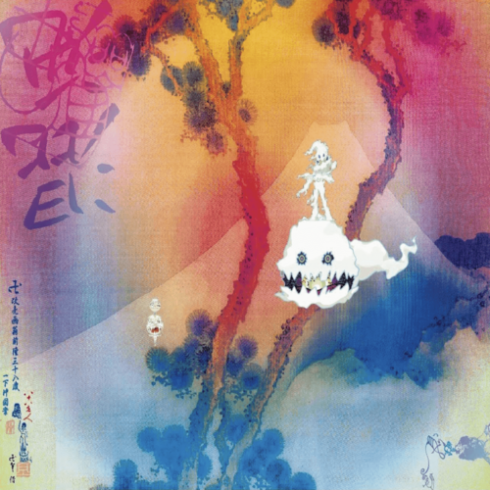
4. KIDS SEE GHOSTS – KIDS SEE GHOSTS
Kanye has had an interesting year to say the least, but we’re not here to talk about that. We’re just going to talk about the best of the series of seven-song mini-albums. Kids See Ghosts finally brings Kid Cudi out of the rut that his last few albums found him in and gives Kanye the grounding and focus that he’s lacked for a few years now. The two of them have a history of bringing out the best of each other and this album is the culmination of that relationship.
The rock-flavored rap of Cudi has exploded of late, but most of the current practitioners are somehow substantially more emo than Cudi ever was. It’s refreshing to see a return to his more straightforward, guitar-focused strain with this album. His deep voice and the thrum of his humming have always been his greatest strength and Kanye’s flat-edged rapping cuts right through it beautifully.
This album is a spiritual experience and clearly built to be so. “Reborn” evokes the kind of devotional feeling most religious ceremonies can only grasp at. The strength, the upliftment and the humanity of the song and the album as a whole transcends the human and reaches the divine.
Room 25 is easily the most unique album of this list and of this year. I’ve never heard anything like Noname’s blend of laid-back rap, jazz and soul before and I doubt that I will again until her next album.
Her technical skill is astounding. She takes rapid, layered lines and delivers them with a staggering nonchalance. She’s even able to mix a little laughter into the lines that she goes through at a blazing pace.
It’s not a loud album. It doesn’t need to beat you over the head with its merits. It just does what it wants to do and it does it extremely well.
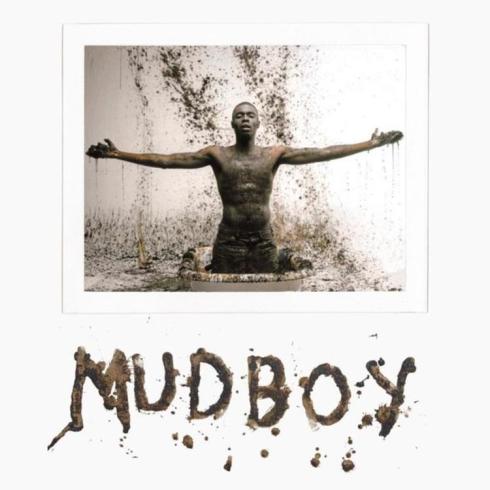
MUDBOY is basically the opposite of Room 25 in every aspect but quality and innovation. Where Room 25 is gentle and intricate and relaxing though, MUDBOY is pounding and blunt and arousing.
This is a rough and uncompromising album. It bludgeons you with ideas and innovations relentlessly. It’s also just really good rap. “Mo Bamba” is not just a viral hit, it’s the most exciting song in rap this year. He doesn’t need any kind of ornateness in this album, it’s just straightforward and strong.
I don’t actually expect to see this start a new trend in rap just because of how unique Sheck Wes’ sound is. Imitating him is not a task for the weak. Instead, we’re going to have to leave it to the man himself to show us what’s next for the most interesting music of the year.
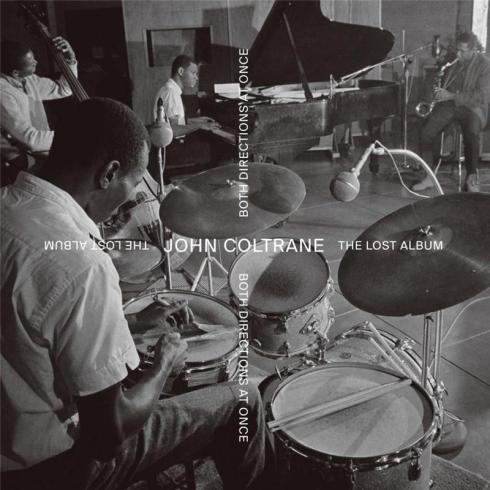
Both Directions At Once was the album that I was most excited about this year and it delivered fully on that hope. Recently discovered in a copy given to his first wife, this album found Trane in the middle of that fertile period around My Favorite Things and A Love Supreme. It never got the full release that his classics of the time obtained and so is quite naturally rough, but the brilliance here is undeniable.
His early takes on “Impressions” are fascinating not just for what they would become, but for the music that they were in the moment. It’s clear that this is a transitional period for Trane. He still has some of the pop sound of My Favorite Things here in “Nature Boy” and “Villa”, which may not be as challenging as the rest, but are still excellent.
The Untitled Originals are all intriguing. His variations on 11386 are all thought-provoking in different ways, Take 2 is exploratory and Take 5 is playful. They are elegant and unexpected and so beautiful.
There’s a clear difference between Both Directions At Once and the masterpieces that Trane actually released in those fertile years of the late 50s and early 60s, but that doesn’t change the fact that this is an album of tremendous intelligence and my easy pick for album of the year.
In more ways than one, 2018 has been an interesting time to be alive. One thing to be thankful for, though: there’s been some great music this year. There have been knock-out debuts, surprising self-one-ups from established artists, and some fantasticsoundtrack albums. Suffice it to say, it was a tough exercise to whittle down this year’s music to the top five albums below. Enjoy, and Happy New Year!
5. Sweetener – Ariana Grande
With three well-received albums under her belt, Ariana Grande is not a new name in pop music. On her fourth album Sweetener, she has really elevated her craft. With heartfelt, self-written lyrics and a greater focus on her glossy vocals, Sweetener is Ariana’s best album so far. It’s also the best pop album of the year, essentially because it was able to capture zeitgeist genres – trap, hip-hop, R&B – and adapt them into veritable pop songs.
Take, for example, the ubiquitous “God is a woman”. At its core, with deliberate and hypnotic beats, it’s a trap song; but Ariana flips it around to a surprisingly effective message of female empowerment. “breathin’” could pass for a mid-tempo dance song; listen closely, though, and it’s a well-penned mantra for positive mental health. On “no tears left to cry”, synth beats and perky vocals belie a tragic backstory: the track is her direct response to the 2017 Manchester bombing at her concert that killed tens and injured hundreds.
All things considered, it’s no wonder that Sweetener created a whole legion of new Ariana
fans. Her next album thank u, next is
reportedly already in the works – we can’t wait!
Best songs: “God is a woman”, “breathin’”, “no tears left to cry”
4. Albert Hammond Jr. – Francis Trouble
As we talked about in our full-length review, Francis Trouble has an intriguing
backstory. Albert Hammond Jr. (guitarist for the Strokes) had a twin called
Francis who died in the womb; Albert apparently created this project as an
artistic rendition of the ill-fated Francis’ life. The result is a rambunctious,
inspired and fun album that sparkles with the spirit of a man who’s happy to be
alive – even if it’s only on this record.
Long-time Strokes fans should be able to quickly read the subtext here. Hammond was a high-functioning drug addict throughout the Strokes’ heyday in the early aughts before finally sobering up a couple of years ago. On Francis Trouble, the opportunity to explore Francis’ would-be life seems to have given Albert a fresh appreciation for his own new lease on life.
If you’ve got 36 minutes to spare in your day, we suggest
you go ahead and listen to the entirety of this gem of an album. If not – start
off with “Set to Attack” and we’re sure you’d want to hear more.
Best songs: “Set to Attack”, “Muted Beatings”, “Tea for Two”
3. Janelle Monae – Dirty Computer
Dirty Computer, the
third full-length album from Janelle Monae, is her most accessible album so
far. While her debut (The ArchAndroid)
and sophomore album (Electric Lady) featured
heady themes of a cyborg-populated dystopia, Monae takes it down a notch here
with more direct storytelling. The result is a great pop-funk album that does justice
to Monae’s lovely voice.
But even on the most accessible tracks, Monae’s incredible creativity shines through. “Make Me Feel” (President Obama pick for 2018!) is a sexy funk hit with a catchy, sing-along chorus that would make Prince proud. “I Like That” is a lovely R&B hit that honestly should receive far more coverage than anything Beyonce releases. And “Pynk”, featuring the electronic artist Grimes, may seem saccharine on the surface, but it’s a tongue-in-cheek, never-before-seen take on femininity.
Dirty Computer is
funky, spunky and just plain enjoyable. Maybe one of these days, Janelle Monae
will finally get the adulation she has always deserved.
Best tracks: “Pynk”, “Make Me Feel”, “I Like That”
2. Cardi B – Invasion of Privacy
Cardi B is everywhere this year, from guest spots on high profile
songs to her own record-breaking list of chart toppers. We know this for sure: the
Bronx native is not a one-time wonder.
Cardi is a shape-shifter – from stripper to social media star to reality TV hit to rapper – and it’s her ability to draw a common line across these phases that makes Invasion of Privacy an incredible album. Invasion overflows with swagger, great beats and surprising honesty; it’s almost hard to believe that it’s a debut album.
Commercial hits like “Bodak Yellow” and “I Like It” (another Obama pick) have cemented her status as the new reigning queen of popular music, but it’s the truth-spitting lyrics on “Get Up 10” and “Be Careful” that stay with you for much longer.
Best tracks: “Bodak Yellow”, “I Like It”, “Get Up 10”
1. The Voidz – Virtue
If you’ve made it this far and you’re surprised that we chose
this relatively unknown album as our top pick, let us explain.
Virtue is old-school.
It’s the kind of album that lures you in with an affable track – maybe “Leave
It In My Dreams” – and fifteen listens later, you have a personal relationship
with every single song on there. It’s rich, diverse, creative and endlessly gratifying
in a way that very few modern-day albums are.
The Voidz, fronted by the Strokes’ Julian Casablancas, are as eclectic as they come, so it’s no wonder that Virtue is an astounding mishmash of genres, styles and influences. There’s plenty of Strokes on here, from the friendly pop of “Wink” to the subtly mysterious “AlieNNatioN”. There’s some understated moments – like the sweet Mac DeMarco-esque “Lazy Boy” or the dreamy jazz on “Pink Ocean”. But perhaps nothing defines Virtue better than the bonkers Middle Eastern-synth-dance-pop vibes on “QYURRYUS”. (If you’ve never heard those words hyphenated together, it’s because there is no other music like this song and we’re trying our best to describe it in text.)
Just trust us on this. Virtue is one of those albums that gets you to view music itself in an entirely different light. Thank us later!
You might have heard a few of our top five songs on the radio; a couple are famous for their blockbuster music videos. All of them, though, have made our year that much better, and we’re excited to share them with you. Read on for our top picks!
5. “Nice for What” by Drake
The women in this Dreezy hit from 2018’s Scorpion work hard and party harder.
They don’t get bogged down by bad partners; they put in their best from 8 to 5
and don’t feel guilty to hit the club later at night. With hypnotic beats, a
sunny outlook and endearing lyrics, “Nice for What” is a feel-good female
empowerment song from a totally unexpected source – a male rapper.
A special shout-out is warranted for the song’s excellent
music video featuring some real women role models. Issa Rae, the black writer-actor
behind HBO’s Insecure, leads suited-and-booted
men in a neon-green jumpsuit. Zoe Saldana, who plays a superhuman fighter in
the Marvel Universe, is a doting mom to her young children. Letitia Wright, the
scientist-princess from Black Panther,
dusts the dirt off her bright red jacket. Like the song itself, the music video
captures the true happiness and optimism that comes from being an independent, hard-working
woman. And we are here for it.
4. “QYURRYUS” by The Voidz
Tyranny, the debut album from The Voidz, was a genre-defying exploration of eclecticism, peaking with an eleven-minute amorphous beast called “Human Sadness”. On this year’s follow-up Virtue (full review here), The Voidz have sharply toned down the weirdness for a much more accessible album. “QYURRYUS” (pronounced “curious”), though, does not fit into that formula – or any formula, really.
There are no precise words to describe what this song is
because there are no others like it. Familiar-sounding synth beats dissipate in
the first five seconds into an imagining of what Rammstein, for example, might
sound like if they were a belly-dancing nomadic tribe. Julian Casablancas’
strange, indecipherable vocals could be viewed as a musical instrument on their
own. The chorus sounds like a robot attempting to create a Bollywood song.
Somehow, miraculously, it’s a catchy song, too.
File this one under its own damn category because there isn’t going to be anything like this anyway.
3. “Set to Attack” by Albert Hammond Jr.
In our opinion, the best songs are the ones that can change your mood just by listening to them. “Set to Attack”, the highlight of Albert Hammond Jr.’s fantastic Francis Trouble (full review here), is just that kind of song.
With an achingly nostalgic mix of early Beatles and early Strokes,
“Set to Attack” is a sweet, simple ditty about the trials of young love. “I was
still hoping that you were the victory / To what had felt like love,” croons Hammond,
taking us back to a time when you could know and feel all the words on a love song.
“Set to Attack” is a little happy, a little sad, but
ultimately impossible to not love. An instant classic.
2. “SICKO MODE” by Travis Scott feat. Drake
Travis Scott’s new album, Astroworld, is a tribute to a now-closed, much-beloved amusement park in his hometown of Houston. “SICKO MODE”, the stand-out track from that album, is an inspired, three-part roller coaster of a ride that shows why Scott is a cut above the rest.
“SICKO MODE” is so packed with surprises that it might give
you whiplash. Drake lays the intro in a verse that seems to build up to a beat drop
– except it doesn’t. Travis takes over with two verses of hypnotic flow that
lull you until he swerves again, with sludgy beats that lead into a dizzying new
section. A few seconds before the end, the tempo abruptly slows down to a halt,
and you know you just have to get back in line hit replay.
1. “This is America” by Childish Gambino
It’s been seven months since “This is America” broke the freaking Internet, and we still can’t get over it. The song starts off innocently enough, with gospel-style vocalizations and a gentle guitar. With a gunshot, it breaks into an on-point summary of black America in 2018: racism, shaming and unwarranted police violence.
Of course, no review of this song is complete without talking about its music video. There is no doubt that Donald Glover is the renaissance artist of our generation. He wrote for 30 Rock; he’s an established actor; he produces and often directs his own award-winning show; and he is an independently popular musician. On the music video for “This is America”, he puts it all together in a maddeningly talented way.
There are so many layers to the music video that this short review cannot do it justice, but consider the following images. He grooves along to an upbeat gospel choir but suddenly shoots them dead with a machine gun. He joins uniformed black kids in traditional African dances while chaos reigns in the background. And the camera pans to folks filming the whole thing on their phones.
There are musicians, and then there are artists. And then there are geniuses. No points for guessing which one is Childish Gambino.
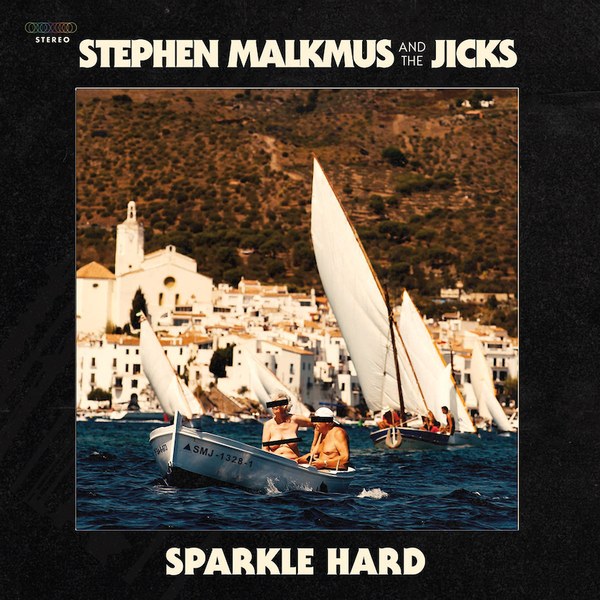
Ever since the demise of Pavement, Stephen Malkmus has seldom made an effort to keep up with the mainstream narrative. While his eponymous first effort as a solo artist marked a genuine effort to become more accessible to those alienated by Pavement’s lack of polish, his subsequent releases have been unabashedly indulgent.
Malkmus realized his dad rock fantasies by officially bringing the Jicks into the fold. Their first two outputs, the almost-prog opus Pig Lib and the very jammy Real Emotional Trash, upheld the lo-fi aesthetic. However, with the Beck-produced Mirror Traffic and its follow-up, Wig Out the Jagbags, Malkmus and the Jicks renewed their quest for the perfect summer song, striking gold with tracks like “Tigers” and “Houston Hades”.
On Sparkle Hard, Malkmus and the Jicks bundle the prog rock touches and the sing-songy goodness from prior efforts into an almost perfectly crafted album.
Album-opener “Cast Off” begins on an unfamiliar note but quickly descends into a classic Jicks sound. The song then leads off a chain of solid numbers that tip a hat to almost every phase of Malkmus’ illustrious career. “Solid Silk” is a charming strings-backed track in the same vein as “J Smoov” from Wig Out. “Middle America” is a ballad that wouldn’t seem out of place on a late 90s Pavement record.
While Pavement was almost unanimously considered the intellectual’s band, few could decipher Malkmus’ cryptic, often mangled wordplay. On Sparkle Hard, he remains indecipherable, with a few notable exceptions – for example, references to #BlackLivesMatter movement on the chugging “Bike Lane” and the #MeToo movement on “Middle America”.
There are a couple of weak points, though. On
the country-tinged “Refute”, Malkmus trades verses with Kim Gordon of the Sonic
Youth about the perils of falling in love; the song has promise but doesn’t
quite take off. “Rattler” is confused and laced with Autotune; we consider it a
rare wrong move on this album.
However, what really brings his songs to life on
Sparkle Hard is the production
wizardry of Chris Funk. Malkmus has worked with some big-ticket producers in
the past but this albumsets a new
standard for production value. Sparkle
Hard is arguably the best work Malkmus has put out since his post Pavement
career. Let the wine analogies pour in.
Best tracks: “Solid Silk”, “Kite”, “Middle
America”
Earl Sweatshirt has already staked out his space as one of the most interesting of rappers and Some Rap Songs takes him even further into the left field. It’s a fascinating, muted listen. It’s rough and jagged and made with found sounds. It’s uncompromising and extremely rewarding for it.
The first song “Shattered Dreams” has the strong elongation of the dreams of the chorus which continues into “Red Water”. It’s an album that moves perfectly from song to song but seamless would be the wrong word to use. It’s too ragged for that. Instead they fit together like a jigsaw, asymmetric and bitten, but still inextricable when interlocked.
The whole thing is underpinned by Earl’s strong flow. His voice is immediately recognizable. It’s almost a monotone but he gets so much done with it. He’s just compelling to listen to.
His beats are uniformly submerged and complement him well. “Cold Summers” in particular has an intriguing, textured beat that Earl dances around instead of flowing into. It’s thought-provoking and off-kilter and then “nowhere2go” continues the same thought seamlessly.
“The Mint” has a short and simple beat that loops over and over again and that’s all the song needs. It’s minimal and intelligent and gives Earl lots of space to work with. Similarly, the rough-chopped beat of “The Bends” is endlessly gripping while being slightly dissonant. It’s another fascinating moment in an album that’s full of them.
Earl just has the gift of drawing you in. Something like “Cold Summers” pulls you in like a riptide and doesn’t let you go and then he does it again in “December 24”. His rapping is just so deep and dark. It doesn’t give you any chance to surface.
It ends with a jazz interlude in “Riot!” that’s very fresh and that ends with a quick distortion. It’s a very cool, very unexpected moment in an album already defined by those traits. This is the most interesting album of an always interesting rapper and something you should be listening to.
Chances are, you’ve heard Cardi B rap at some point this year. Maybe you’ve heard her chart-topping hits, “Bodak Yellow” or “I Like It”. Maybe you’ve heard her guest spot on Maroon 5’s “Girls Like You”, or her collaboration with Bruno Mars on “Finesse”, or her verse on Migos’ “MotorSport”. The point is, she was everywhere this year, and for good reason: Invasion of Privacy is the best debut album of 2018.
Part of Cardi’s allure is her stranger-than-fiction, modern-day origin story. At 19, Cardi B (born Belcalis Almanzar in the Bronx) was fired from her humdrum job in a supermarket, and turned to stripping to help pay her way through school. The stripping job led to a buzzy social media persona, which landed a spot on a VH1 reality TV show, which in turn opened up an opportunity in rap. This extraordinary series of events, combined with her livewire personality, have created a brand so strong that sometimes it’s unbelievable to think that Cardi’s been a rapper for only two years.
Of course, as anyone with fifteen minutes of fame can tell you, brand alone is never enough. On Invasion of Privacy, Cardi B pairs this outsize brand with a gift for great beats, amazing delivery, self-confidence and playful wordplay. The result is a fun and surprisingly repeatable album.
Let’s get the famous tracks out of the way first. Unless you’ve been living under a rock this year, you’ve heard “Bodak Yellow” and its numerous instant-classic lines (“I don’t dance now / I make money move”, “These expensive, these is red bottoms / These is bloody shoes”). With its mystical lilt, gunfire flow and inimitable accent, this is essentially Cardi B’s warning shot to the world: “Lil bitch, you can’t fuck with me, if you wanted to”.
The other ubiquitous Cardi B hit, “I Like It”, switches it up with a Bronx take on a classic Latin American vibe. In between the infectious earworm of a chorus, Cardi B lists out some of her favorite things, like a garish, contemporary Maria von Trapp. Any two-bit rapper can list their choice luxury goods – Balenciaga and what-have-you – but Cardi takes it a step further by listing out her favorite power plays: “I like texts from my exes when they want a second chance / I like proving niggas wrong, I do what they say I can’t”. True wealth is power, and Cardi – the self-confident stripper, the viral social media sensation, the reality TV star – is all power.
At all points of her chameleon career, fascinated eyes have fallen on Cardi’s body – and she knows what works best. On “Money Bag”, she gives herself the best compliments: “With them pretty ass twins, you look like Beyonce”, she brags in third-person, following it up later with “I’m like a walkin’ wishlist”. It’s a breath of fresh air from other female rappers whose brags seem to focus solely on bedroom performance (lookin’ at you, Nicki).
All braggadocio aside, however, the best moment of Invasion of Privacy lies perhaps on the stripped-back “Get Up 10”. At over 800 words long and with hardly a repeating line, this is Cardi’s life story told through a raw and passionate voice. From the opening couplet (“Look, they gave a bitch two options: strippin’ or lose / Used to dance in a club right across from my school”) to the chorus (“Knock me down nine times, I get up ten”), Cardi paints her remarkable backstory in equal swathes of motivation, humor and outright defiance.
In his 2008 book Outliers, author Malcolm Gladwell popularized the 10,000-hour rule: once you put in 10,000 hours of practice into anything, you suddenly start to notice incredible results. Even though Invasion is a debut, Cardi knocks it out of the park because she’s clever enough to laterally combine bits and pieces of her past into that magic number. She’s already got 10,000 hours of sheer self-confidence, of succeeding under long odds, of monetizing popularity in the digital age. If “Bodak” was the warning shot for Cardi, then Invasion is the warning shot for her entire career. We’re going to be hearing much more from Cardi for sure.
Best songs: “Bodak Yellow”, “I Like It”, “Get Up 10”














 Top Five Records