Neither Karen O nor Danger Mouse really need to another laurel to their wreaths. They are well-known, highly successful and something of an establishment in their fields already. Neither one really needs a boost, which works out, as Lux Prima isn’t the kind of album that can define an artist. It is, however, a skillful pop-rock diversion and a fun 40 minute listen.
“Turn The Light” is just good, infectious pop. Karen O’s voice is stellar throughout. Songs like “Drown” work so well because her voice is impeccably controlled and very personal and that muddies up the slow moving but so intriguing production underneath. The closer “Nox Lumina” has a sound reminiscent of a lullaby, but taken wonderfully out of context and its mirror “Lux Prima” is a clean synth line.
The album as a whole is a little ephemeral though. It’s great to listen to, but forgettable when it’s done. The structure is a little too traditional and the album a little too lacking in innovation. Despite the tremendous skill of the two musicians and the cleanness of their sound, the whole comes off slightly shallow.
The talent is undeniably there though and comes through on every song. If you like any of the earlier work of Karen O (Yeah Yeah Yeahs) or Danger Mouse (Broken Bells, Gnarls Barkley, The Grey Album, Danger Doom, lots of other things), you’ll find plenty to like here too.
Drip or Drown 2 is, more than any other aquatic metaphor, distilled. It is muted and monotonic, taking the already focused subgenre of trap and focusing it even further. This is an album that’s specific in its intent and strong in its speech.
This focus gives it a relentless feel that fully enthralls. “Baby Birkin” takes the trap tic of repeating the end of the line and does it excellently. This may be a cliche in the form now, but it keeps the song from easy resolutions and so fascinates, albeit while being mentally exhausting. There are some very strong singles in here, with “Speed It Up” being similarly intriguing and “Who You Fooling” bringing in some astonishing Japanese strings. The production is consistently excellent and Gunna mixes up the singlemindedness of the beats cleverly with his raps.
This is a very linear album though, and that focus results in clarity at its best, but blandness at its worst. It’s at its best far, far more than at its worst though. This is an exceptional album. However, in it’s commitment to fully explore every idea it presents, it ends up slightly lacking in variety. However, this is a clever, accomplished album and a strong call to attention for a rapidly rising rapper. In his smelting of the genre, Gunna has forged something unique and you should definitely check it out.
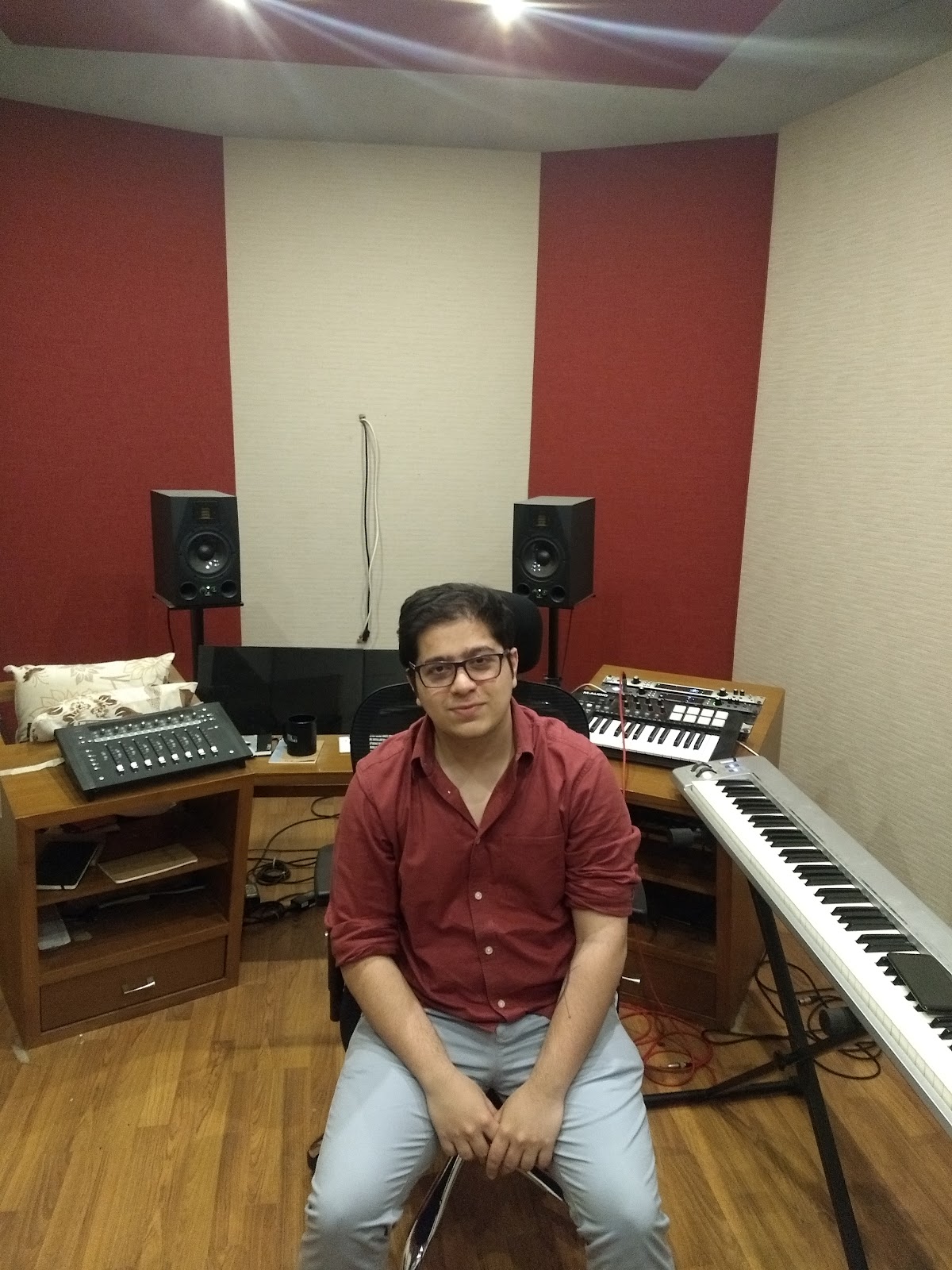
Those who have been paying close attention to Mumbai’s indie scene cannot deny the welcome shift in the quality of production in recent years. The scene has been graced by a wave of savvy producer-slash-engineers who have really helped propel the quality of music and cultivate a songwriting mindset among younger artists. Rishi Bradoo, former frontman of Mumbai electro-punk trio Blek and Chief Tinkerer at Theatre 74 studios, is one such torchbearer, with his stamp on some of the city’s finest recent releases including Awkward Bong’s In the Brightest Corners and a string of tracks by Ramya Pothuri. There’s no denying Rishi’s prowess as a studio engineer but that’s just one of the many spices that comprise his secret sauce. We recently caught up with Rishi at his studio in Mumbai to discuss his journey in the music scene and the methods to his magic.
So let’s get this out of the way… How did you get into music?
Right. So I got into music in school. I’d started playing the guitar for some reason and it stuck. That was the time when Superfuzz and the like had just started putting out music. Plus, it generally seemed fun to put chords together. It felt like LEGO. The minute I learned to put these chords together, I quit my guitar classes.
As a teenager, I was particularly frustrated with the way Indian musicians looked at music, which was with this cover-band mindset. Bands around me didn’t seem to care about putting out something truly original and that sort of irked me. That’s how I got to writing my own music. But it wasn’t until college did I get exposed to working with professional musicians. Xavier’s [St. Xavier’s College, Mumbai] surprisingly turned out to be fertile ground for budding musicians at the time. A lot of guys I met at college are working professionally in music right now. My college scene was basically defined by tons of college fests and a failed band.
What failed band?
Let’s not talk about it.But yeah the first gig I ever played with a “legit” band was at this shitty excuse for a venue called Jazz by the Bay. We were teenagers at the time, and didn’t realize [what we were getting into]. Our first set had 10 “originals” and something like one or two covers. None of the other kid bands were doing that and it seemed pretty radical at the time. After our run of 5 shows at JBTB, we were bitch-slapped into ground reality though. It wasn’t until later that I met Jared and Varoon, our drummer and we would go on to form Blek. For a year we made the rounds of the college circuit and were starting to gain some momentum. We’d get our next gig at the last gig we played. We’d play a gig, talk to somebody after the gig and hustle another gig and eventually it led us to this place called B69.
It was an underground venue and I’m pretty sure it wasn’t legal. Sweat would literally evaporate, condense on the ceilings and then pour out onto the musicians playing on stage. So yeah, it was a pretty gnarly venue but a lot of young bands got to cut their teeth over there… you know… because you could afford to be bad.
We met the Lightyears over there and we would end up sharing a lot of bills together.
2012 was one of the most influential years for me. That was when I was convinced that this is what I wanted to do for the rest of my life. In early 2012, we cut our record, Hexes + Drama & other reasons for evacuation and things blew up. We started getting booked all over the place. Within a year we had toured the entire country, in our third year of college. We were even invited to play in the UK at the Great Escape Festival.
What was that like?
Playing the Great Escape festival changed a lot of things for us. It was pretty eye-opening. The difference between what standards need to be and where they were in the scene at the time really came to the forefront. I realized that why people make music in the independent music scene in India and why people made music there were two completely different things. This thought had been on my nerves much earlier and was only reinforced when I got there. Interacting with musicians from around the globe was a far cry from the experiences I had in India. It was quite bittersweet actually. It felt like we were lagging behind in many ways but it also opened my eyes to what was possible. We had all this talent lying around that could definitely shine through more clearly if we had a certain change in mindset and environment.
What got you into audio? Was it a general sense of disillusionment with the production quality at the time?
It wasn’t about production quality. Production quality was inevitably going to get better and was actually quite amazing even at the time, just not in indie music. All the young bands here over the last seven or eight years haven’t really had any good role models to look up to. I don’t consider Shaiir+ Func and Pentagram to be good role models at all!
The general attitude of bands here is:
I have these chords and I kind of made them go together. I also have some lyrics written over some vocal melody and it sounded fine in the jam room so I guess I have a song.
Just because you jammed it out in a jam-room and it sounded “tight” doesn’t make it a complete song. You really need to sit down and focus on the nuances of songwriting and that only comes with focused effort. What a lot of debut artists need to understand is you’re making music, not releasing YouTube content. The way most indie artists in India treat music is as if they’re releasing content.
You know I’ve noticed, whenever an artist enters the studio with the desire to have fun and make something they care about, the record always sounds good. Whether they’re good musicians or not, the record sounds good. There’s a kind of carelessness or honest expression that’s captured. Whenever an artist comes to the studio with this careerist mindset of wanting to release a record because they have to release a record that year, 7 out of 10 times, the record doesn’t sound as great. You can always hear it in the music, when there’s a sense of insincerity in the studio.
People put too much emphasis on mixing, engineering and the like but the actual emphasis should be on the writing.
So coming back to the question… when you’re not in the record cutting business, you don’t realize the kind of effort that goes in. It all seems like knobs and buttons. There’s a lot of microscopic detail that you’re paying attention to and macroscopic details you’re trying to balance out and that takes years is what I’ve realized over time. You kind of pick it up along the way.
For me, at that time, I felt like I could figure the writing part out. But I wanted to cut my own records. I wanted to have decisive control over it, not having to be reliant on the one person in Bombay I trust with my work.
What was Audio School in Alchemea like? Did you get to work with some big ticket producers?
In London, I studied under the guy who mixed Klaxons and Nick Cave. I also got to spend about a week with Tchad Blake who’s a personal hero of mine. He’s the guy who mixed Arctic Monkeys’ AM. He also worked on the Black Keys’ records. But yeah, that’s about it. I don’t think it really matters as much as you’d think. The thing about learning is, it’s more about who you are as a student and not so much about who is teaching. You can go to the best schools with the best teachers and learn jackshit, which I think is the case with most Indian schools to start with. We’re not curious enough. It kind of struck me. As students in India, we’re very badly raised. We’re raised to be scared of failure. We’re raised to answer questions in the way that is prescribed. That’s such a bad environment to build any sort of creative thought. I’ve been very disillusioned with this “college chaapa” mindset. “Oh, he went to Berklee, he must be good”. That doesn’t fly with me. I need to know what his record sounds like to see if he’s really good.
Was it always the plan to come back home from the UK and set up a studio?
No, actually. Part of me wanted to go learn production so that I could cut my own records, but it was also because I wanted to get the fuck away from Bombay. It had gotten really depressing. Like I said, I was very disillusioned with Bombay and the music scene in general. I was so done with the way musicians were functioning here, the way festival organizers were functioning here and the way artist managers were functioning here. It was a huge fucking mess. I felt that if I had the opportunity to go to the UK and not come back, why would I? But then looking back at India , I couldn’t just ignore the opportunities that were present back home. Had I stayed in the UK, I would have had to start at the very bottom of the ladder. Find a studio I could work in, become an assistant engineer, then maybe get promoted, convince artists to entrust me with their work, and so on. I wasn’t sure if I was happy with having such limited opportunities in the UK. The opportunity in India was to set up your own studio, cut your teeth the hard way by jumping into the deep end, not having someone mentor you and to diversify. I can literally do anything I want with this space.
What were the first few artists you recorded when you came back?
In the Brightest Corners by Awkward Bong was the first record I cut after coming back. I was lucky to have that be my first record, you know, as a rookie. The thing about audio school is you spend one year there, and then come into the real world, and the learning curve only steepens. I was really lucky to have such a project because it was hardcore production. I could dictate a lot. I could dictate the chord movements, I could dictate the rhythm section. I could really say: hey, do this, delete that, cut that verse in half. Like really hands-on production.
For me when a person writes a song, it isn’t the sound of the kick drum or the beat. It’s the chords, the lyrics, the melody and the general rhythmic vibe. Now what makes a SONG for me, in big block letters, which is released to the world and makes people feel things, is a combination of really good songwriting and sensible production that complements the songwriting. With the Awkward Bong record, Ronit had enough trust in me to run riot. Sonically, it’s an amateur record, being my first record out of audio school and everything, but the songs were really great and we worked very hard on fleshing them out.
So one of your songs with BLEK, “Fog + Strobe” got a slight makeover and was rechristened as” Byomkesh in Love”, featured in the movie Detective Byomkesh Bakshy! Were you happy with the way that turned out and the experience in general?
Working with Dibakar was pretty great. He always said: if you don’t want to do something, don’t do it. Initially he wanted me to add on this Hindi thumri to the song and I was extremely hesitant. But after I got to listen to it and know the meaning of what was being sung, I was completely on board. I felt like it fit. He wanted a version of the song for the film that went with the visuals of a particular scene, which I found to be a very challenging project. When this person rolled over the table in the action scene, Dibakar wanted a drum roll or toms to replace your traditional sound effects.
So, we were sitting down with him, looking at the scene and producing accordingly, while keeping in mind that it should sound great even as a standalone song. Once he had his shot for the film, he let me have full control over the version of the song that went out on Apple Music and the like. The version that’s out on YouTube or whatever is the version that we wanted and were happy with. Now that’s a good way to work!
What’s BLEK up to now and more importantly, what’s Rishi the musician upto now?
I’d prefer not to divulge premature details. You’ll know when it’s done I guess.*goes on to divulge juicy secrets off the record*
This started out as chat about your musical journey but you were able to turn it into a lesson in life. It was great talking to you man.
Right so to wrap things up, we have a bunch of rapid fire questions we do with all our guests.
Favourite Indian artist right now?
None. I’m serious. I have much higher standards and expectations of Indian artists and we WILL get there!
Pick one of the two you can’t live without: delay or reverb.
I can’t live without delay. I can make delay sound like reverb but not the other way around.
Drink of choice.
It’s usually vodka but now I’m switching to Stranger & Sons gin.
One gig that’s left a permanent mark on you.
This sounds narcissistic but it’s the gig we played with the Lightyears at one of the earlier Ctrl + Alt + Del festivals, at B69.
Three Desert Island discs for when you’re stranded on an island.
Tranquility Base Hotel & Casino by the Arctic Monkeys and let me tell you why. TBH&C is a beautiful record. It has all these tiny, beautiful things that are so “fuck you”.
Sea Change by Beck, without a doubt. He is a rare, beautiful artist. A hero of mine.
A Moon Shaped Pool by Radiohead. It’s actually quite hard to pick a Radiohead record.
Ancestral Recall is fearless. Like a python, its mouth seems to have opened impossibly wide and swallowed influences larger than the album should be able to hold. And again, like the python, these influences may distend the album, but they are consumed, feeding the snake, but never overpowering its own nature.
This is an album that can be heavily industrial in “Prophesy” and then run a saxophone against it for a fascinating juxtaposition. It can be both punishing and fascinating in “Double Consciousness” which has a backbeat that latches onto your spine.
“Diviner” however is just beautiful. It’s complex and sends your mind spinning with a wonderful, delicate counterpoint that wanders through it. “Songs She Never Heard” is similarly surprisingly gentle and almost ambient at points. It does sometimes verge on repetitive, but is a very pleasing listen. “Before” is beautiful and dreamlike and yet fervent in its desire to communicate. There’s a fire underpinning even the softest moments of this album.
This is far from traditional jazz. Christian Scott aTunde Adjuah has melded an astonishing array of influences into this album. And he has done it with such consummate skill and imagination that, despite a couple few burrs in the tapestry, the result is magnificent.
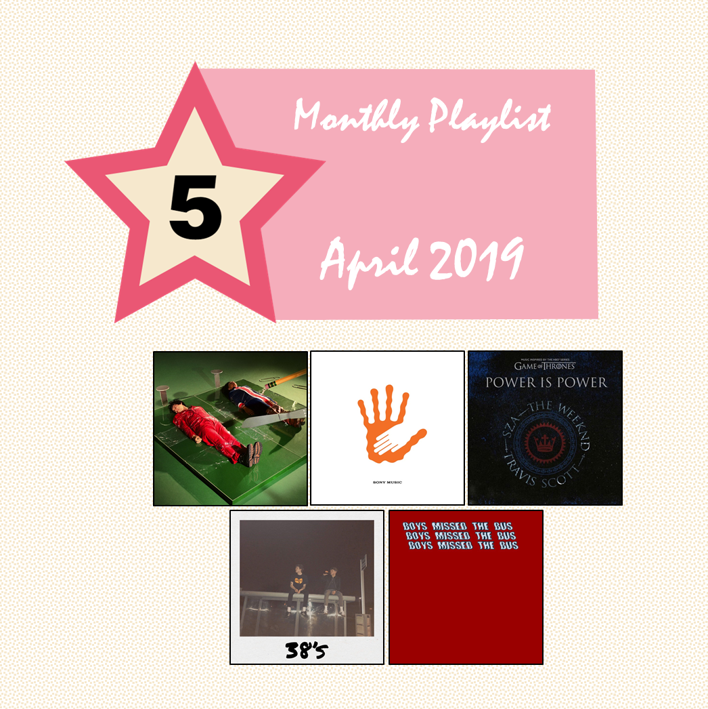
We’re back with another edition of the Monthly Playlist! This month’s songs range from Los Angeles lo-fi to Japanese indie rock and more – read on for all the deets.
5. “38’s” by The Vanities
“38’s”, by Glaswegian garage punk band The Vanities, is a whiskey-soaked vignette about drunken nights that last so late you miss the bus back home (ostensibly, the 38 in Glasgow). Within the first few seconds, Vanities drummer Craig Fellowes bursts in at a frenetic pace that never quite lets off over the song’s entire three-minute mark – but don’t let the percussion overwhelm you. The winning element here is the Vanities’ ability to paint a witty, entertaining picture of an inebriated evening. “Wasteland sights, apart from prozzies and rubble / Thirty quid for the night, far from subtle, she’s trouble / I’m coming down now, I wish I’d made my vodka a double,” goes the tune, perfectly encapsulating that no-man’s-land age between late teens and early adulthood (the band’s four members are all in their early twenties).
If you get the feeling that the Vanities’ experiences are cut from the same cloth as the gin-soaked, unsuccessful-clubbing escapades that shaped Arctic Monkeys’ debut album, you are absolutely right. There is a lot more to anticipate from the Vanities, and we are here for it.
4. “Why’d You Have to Act Like That Though” by Inner Wave
“Why’d You Have to Act Like That Though”, by LA-based five-piece Inner Wave, is a chill, lo-fi psych rock track that brings to mind a mix of Mac de Marco and Lonerism-era Tame Impala. The track starts off with a slightly off-kilter melody, layered under spoken-word musings in the style of Julian Casablancas (it’s no accident – the five bandmates apparently grew up listening to the Strokes in the early aughts). Seamlessly, lead singer Pablo Sotelo melts into a hypnotic, repeated chorus – “I’ve been missing you, I’ve been missing you, I swear”; and before you know it, the song’s over. It’s loopy, lo-fi and catchy as hell, and had us pressing the replay button more than a few times. Be sure to keep an eye out for Inner Wave’s upcoming album, wyd, out on May 17.
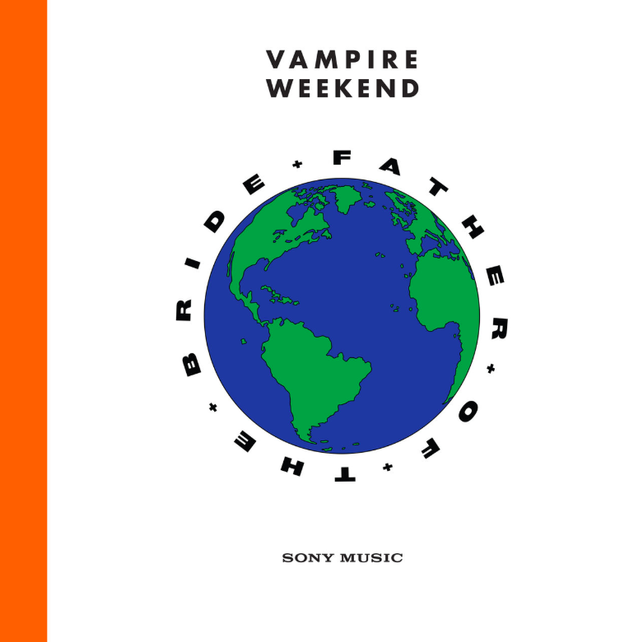
3. “This Life” by Vampire Weekend
By this point, Vampire Weekend have an unmistakable sound to them. Whether it’s Ezra Koenig’s earnest voice, the Beach Boys-esque pleasantness of the guitars, or the harmonic choral elements, it is fairly straightforward to pick out a Vampire Weekend song from any random lineup. On “This Life”, from the upcoming album Father of the Bride, Vampire Weekend takes their cornucopia of congeniality to a gloomy tale of broken dreams. “Baby, I know pain is as natural as the rain / I just thought it didn’t rain in California,” sings Koenig, hiding the darkness behind a veneer of jangly Americana. It gets worse: “You’ve been cheating on, cheating on me / I’ve been cheating on, cheating on you,” he confesses a few lines later. With its genial music and its weighty lyrics, “This Life” is a great tune that works across two very different angles. Highly recommend this song and album.
Father of the Bride is
out on May 3.
2. “Pretty Old Man” by No Buses
No Buses are a Japanese indie rock band heavily influenced by the 2000s garage rock revival sound. Of course, they aren’t the first with that set of influences. It’s easy enough to write a simple, easygoing tune, but what really surprises the listener about No Buses is their ability to create an instant earworm. On “Pretty Old Man”, No Buses weave a love story with at least one geriatric participant, in between roving guitar riffs and steady-as-can-be drums. The result is an earnest homage to the likes of early Arctic Monkeys (even down to the band’s name) and Oasis without coming off too saccharine. A tough feat, but one that No Buses manage well. We’re excited to hear more from them soon.
1. “Power is Power” by SZA, The Weeknd and Travis Scott
Ten years from now, in the annals of pop culture history, April 2019 will be heralded as an historic month, for two book-to-Technicolor transformations: the end of Marvel’s Avengers comic book saga with Endgame, and the final season of the record-busting Game of Thrones. For GoT fans who want to augment their visual and cinematic experiences, the TV show released For the Thrones, a soundtrack inspired by the characters and thematic elements onscreen. “Power is Power”, featuring three of the world’s biggest stars, is an ode to the reluctant hero of the entire series – Jon Snow.
What we love about this track are the interlocking yet distinct
contributions from the three featured artists. The Weeknd’s echoing beats bring
to mind his chart-topping “Pray for Me” from the Black Panther soundtrack, but his lyrics are far-removed from the
African savannah of Wakanda. “I was born of the ice and snow / With the winter
wolves and the dark alone,” he sings; a perfect battle hymn for the oft-wallowing
Jon. SZA knocks it out of the park with a fluid, strong verse that further
explores the self-doubt / heroism clash within Jon’s psyche. And Travis Scott,
as usual, switches it up with a verse that contrasts but complements the rest
of the song.
All in all, “Power is Power” is a treat whether you’re a
Game of Thrones fan or not.
There’s a lot to recommend in In The Key of the Universe. The musicians are all clearly highly skilled and it’s a very pleasant album to listen to. Unfortunately though, it lacks the spark that the best jazz albums all possess.
The album never quite falls into easy listening. It is traditional jazz, but just a little too familiar with resolutions that are a little too predictable. Pieces like “Easier To Be” and “Inner Being” in particular are guilty of this. The entire album functions well in the background while you try some taxing work, but I want to see more from an album like this.
That is not to dismiss the entire album. The opening of “Vibrations In Blue” has a lot going on in a way that reminds me of some of my favorite Herbie Hancock compositions. The sax work in “The Creator Has A Master Plan” is similarly engaging (and surprisingly provided by the great Pharoah Sanders), even if the vocals in that song substantially jar. The tranquility of “A Path Through the Noise” wholly justifies the name. There’s so much undeniable virtuosity in this recording, but it just never stretches itself.
There’s a strong clarity to this album that makes it distinctly approachable and it’s a charming listen no matter your experience with jazz. It skews too far to the traditional though and lacks the fire and inspiration that would truly let it distinguish itself in a world already full of this strain of jazz.
Disclaimer: the writer
has a long personal history with three out of four of the band members of
Iyer’s Filter Coffee.
The early/mid-2000s were a great time to be an indie rock fan. There was a perfect balance between good bands, access (thank you LimeWire and Myspace), and discoverability. The fact that so many of the stalwarts of that early scene have gone on to become mainstream monoliths in their own right shows how much that era of music still resonate today.
Bangalore-based Iyer’s Filter Coffee and their debut EP, coldturkey are a throwback to that early indie rock sound. The four-piece band stick to the basics of two guitars, a bass and drums (with the odd keys) to deliver up a solid first release.
First up is “Elanor.” What starts off with an Audioslave-esque lead by guitarist Pushkara Ravindra ends up in a freewheeling melodic shred-fest, with front-man Rushil Mishra’s vocals and rhythm guitar harmonising to tie together a sound that stops short on the right side of self-indulgent.
Up next is “Beach,” with its easy toe-tapping lazy groove that gets me smiling every time (thanks to namesake Sachin Iyer). The real pleasure lies in the final third of the song (a common thread throughout the album), which has this delightful break down/sine-wave thing going on for it that’s just sonically gorgeous.
“Soma” is IFC’s signature song, a wailing mix of wah-wah filled fuzz and three-chord guitar grunge with a driving bass that’s bound to get the crowd pumping, even if I’m not completely sold on what the song tries to do. There’s something about the mix that I can’t quite place that undercuts some of the guitar riffs, but I doubt that’ll matter when you’re three beers down, so…
Soma, from coldturkey
The penultimate song, “Moonlight” opens with a most Indian-indie-sounding riff, before switching things up and veering towards an AM-circa-Suck-it-and-See sound. It’s a surprisingly mature and well-crafted piece, and displays a range and depth to the band that bodes well for their future releases.
“Why Don’t You Come Over” rounds out the nostalgia trip with a dream-pop/shoe-gazy reverb-laden late-night call to lovers past. It’s mellow, it’s airy, it’s a delight to listen to.
coldturkey doesn’t
reinvent a genre, nor does it break from long-standing musical traditions, but
it ultimately doesn’t have to. It’s a solid debut by a good band that’s slowly
etching their mark on the Bangalore music scene, filling a niche and gaining an
organic following in the process. They’ve also got a brilliant album cover,
which is always a bonus.
The most striking thing about The Transitory Poems is just how spirited it is. Vijay Iyer and Craig Taborn are both known for how far avant they are of the garde and putting the two of them together for a live concert in the Liszt Academy in Budapest is the kind of set-up that is bound to bear fruit.
The amount of chemistry is staggering though. Two musicians so dissimilar have no right to work together so well. For that matter, an album so improvisational has no right to work so well. There are admittedly a couple of points were the momentum peters out a little and the musicians seem to be taking stock of where they are, but those are the exceptions in an album of the impressive energy of pieces like “Kairos.” At points, this energy becomes nothing short of chaotic. “Luminous Brew” is Pandæmonium if Hell were beautiful. The sound cascades and crashes. For a record with just two pianos, this in a very physical listen.
The clarity of just having two pianos works very well. The music is often exceedingly pretty, but always very bright and very sharp. Like crushed glass under a spotlight, it dazzles. It’s a jagged and difficult album and valuable for that. The artists constantly surprise and their deftness in resolving themes and then picking them up again is exceptional. This is not for the less experienced of jazz aficionados, but it is deeply rewarding for those up to the challenge.
Here’s a crazy fact: we’re already a quarter of the way into 2019! It felt like just yesterday that we at TFR were putting together our end-of-year lists, and now here we are. Wild, right? Anyway, without any further ado, take a look at our top five songs for March. And as always, let us know if you agree or disagree.
5. “In Your Head” – Nilufer Yanya
23-year-old Nilufer Yanya grew up in London, in a creative household with mixed Turkish / Irish / Barbados heritage. With a background that fluid, it is little surprise that Yanya’s approach to music is decidedly irreverent.
On her recently-released debut album Miss Universe, Yanya flits between bat-your-eyelashes pop moments and fuzzy rockstar vibes with an ease that simply can’t be taught. Perhaps the best song from the album is the lead single, “In Your Head”. “And I can do what I like / I’ll never know what it means / Some validation is all that I need,” she says, clear-headed about both her materialism and the lack of substance within. (Fittingly for a song that explores the emptiness of individualism, the music video is shot in Las Vegas.) In a way, she kind of reminds us of the best parts of the erstwhile Marina and the Diamonds.
Yanya stands out with her throaty voice, unique personal
style and brazen lucidity. Keep an eye on this one – and take a whirl through Miss Universe while you’re at it!
4. “Patience” – Tame Impala
As die-hard Tame Impala fans, we would of course be remiss if we did not mention “Patience”, the latest song to escape the inimitable workshop of Kevin Parker’s brain.
It takes about 20 seconds for Parker to bring out his signature phaser sounds on “Patience”, but this time it’s different. With its dizzying synth garnishes and heavily processed bongos, the song winks at a sort of disco-by-way-of-world-music that no other Tame Impala song has really explored. Parker’s indecisiveness – and the dreamy psychedelia that results – is the real backbone of the famous Tame Impala sound, as we wrote about in our review of Currents (2015). On “Patience”, it’s clear that he’s still working on it. “Sometimes I get so tense but I can’t speed up the time,” he confesses, flipping around seconds later to ask his lover to take things slow.
Tame Impala are headlining a bunch of festivals this year, but haven’t yet announced a release date for a full album. “Patience” until we hear more, then.
3. “Black” – Dave
In many ways, Psychodrama – the debut album from British rapper Dave – is a spiritual successor to Kendrick Lamar’s good kid M.A.A.D. city (2012). Like K-Dot, Dave is blessed with an otherworldly talent to channel the realities of the world outside him into hard-hitting poetry – and with killer flow to boot. Our stand-out track from this album is definitely “Black”, Dave’s exploration of what it means to be a black man in the world.
With the oversaturation of American media, news and politics
into global consciousness, it is almost easy to equate blackness – and the
associated struggles – with a negativity-tinged African-American experience. Dave
does better, thankfully. On “Black”, he shines light on truly personal experiences
of what it means to be of African heritage in a Western country. There’s so
many great lines here. On growing out of his surroundings: “Black is growin’ up
around your family and makin’ it / Then being forced to leave the place you
love because there’s hate in it.” On being divided and ruled: “Her hair’s
straight and thick but mine’s got waves in it / Black is not divisive, they
been lyin’ and I hate the shit / Black has never been a competition, we don’t
make this shit.” And so on.
Psychodrama deserves a full listen, but if you’re going to hear just one song, make it “Black”.
2. “Choose Go!” – Chai
On first listen, the thick bassline and staccato drums of “Choose Go!” sounds like a hidden gem from the heyday of the indie rock revolution on both sides of the pond in the early 2000s. However, the reality could not be further from the truth. You may be shocked to learn (as were we) that the creators of “Choose Go!” are Chai, a four-piece all-girl band from Nagoya, Japan.
This isn’t Chai’s first rodeo, surprisingly enough. Their
first album, Pink (2017), was very
well-received, but the band has really found its footing with this months’ well-named
follow-up, Punk. Sung half in Japanese
and half in English, “Choose Go!” combines the relentlessly poppy vibes of,
say, the band OK Go, with the lovable weirdness of Japanese culture.
1. “Exits” – Foals
Foals have been around for a while. Their 2008 debut, Antidotes, arrived during an early-2000s crest of the math rock genre, but stood out nevertheless. Songs like “Balloons” and “Cassius”, filled to the brim with frenetic chords and semi-shouted lyrics, shot Foals to fame very quickly. However, on their more recent two albums (2013’s Holy Fire and 2015’s What Went Down), the band took an unexpected turn. The frantic urgency of Antidotes was replaced by a mellow restraint; it felt like they were reveling in their ability to turn a musical phrase or two whenever they wanted (but not, as with Antidotes, all the time).
On their latest album (2019’s Everything Not Saved Will Be Lost – Part 1), the band has really put two and two together. There’s restraint, yes, but Foals is largely back to their gloriously feverish roots. The star track is “Exits”: a serpent that twists and turns through more moods than you can count on first listen.
The first section, with its deliberate beats and dramatic lyrics (“Now the sea eats the sky / But they say it’s a lie / And there’s no birds left to fly / We’ll hide out”), makes way to a reverberating one-line chorus (“In a world upside down…”). And that isn’t the end of it. At about the four-minute mark, Foals break out into a heady, psychedelic synth solo that truly elevates the song to greater than the sum of its parts.
“Exits” is six minutes long but Foals
entertain you every second of the way.
There’s no question that Migos is extremely important in the moment. It is arguably the band most responsible for the rise of trap and just as arguably the most important group in trap today. FATHER OF 4, a solo act from Offset largely continues in the pattern that they’ve set down, but deviates in one extremely important way, the title track.
Trap, and contemporary music as a whole, have deeply internalized the mixtape culture and Migos has done that more than many. This is part of how their greatest stuff has come to be, but it’s also why all of their albums, without exception, suffer from bloat. FATHER OF 4 lowers this bar further with an absolute glut of mediocre music. There’s very little that’s actually bad and it mostly ranges from decent to fairly good, but there’s little here that’s memorable. From “Wild Wild West” to “Tats On My Face” to even “Clout”, which features a Cardi B reunion, the music is fun but unmemorable. “North Star” has the misstep of a CeeLo feature to bring down what would be a pretty good song otherwise. “Lick” is quite good though.
The reason to listen to the album though is the breathtaking title track. “Father of 4” sees Offset talking about and talking to each of his four kids and is beautifully heartfelt. His storytelling is nothing short of shattering in its economy. When he sings about his first daughter, he opens with the lines “Tell the truth, I ain’t really know if I was your father / Tell the truth, I really don’t even know your mama” and the story of growth that comes across from just those lines is vivid. His line later in that verse, “in the pen when she pushed you out,” paints a brutal picture.
In the same way, look at the fatherhood in the lines “My son, Kody, he three, rappin’ already lie me / Ridin’ in the car, you don’t play me, then he gon’ scream.” The start of that chorus is just also just wonderful. It’s uncommon in rap to see stories of parenthood like this. Jay-Z is out here with the investment banker’s approach to being a father, and that’s also great to listen to, but Offset’s story of maturity is unique and deeply compelling
While there’s unquestionably a lot of filler in Father of 4, the title track is just some of the best music of the year and honestly, the rest is pretty fun as well.