This song is easily one of the best of the new year. First things first, it’s a good beat and a good flow. That opening feels like trumpets before a war and the song itself is a salvo.
What’s shocking though is the positivity. His lines on Drake giving him a watch as a gift are strong and rejecting manufactured beef are interesting in the genre famous for war being mutually beneficial. The game seems to be turning away from the aggression that once codified it and it’s a fascinating development to watch.
I also appreciate him talking about bringing your people up with you. I appreciate him sending love to the new rappers and sending love to the OGs. Generational strife almost always feels like both sides are out of touch. J. Cole stepping away from that, despite the many calling for him to kill trap or take the torch or whatever other narrative du jour is floating around, is heartening to see.
The contradictions here are interesting. He claims all love, but there are still shots at Kanye and Drake here. The lines are barely subliminals. This makes some sense as he criticizing actions like theirs, but this seems to be swallowing your beef and having it too. Also, look at the refrain “Niggas been countin’ me out / I’m countin’ my bullets, I’m loadin’ my clips / I’m writin’ down names, I’m makin’ a list / I’m checkin’ it twice and I’m gettin’ ’em hit.” It’s this aggression that makes the song though. This isn’t a call for ahimsa, it’s a militant call for love.
On that note, the hook is amazing. The drawn out “feel” with the sung notes is excellent. It lets him put a lot of emotion into very few words. That said, the words of the hook are extremely clever. I love the image from contrasting a pistol in the hand and money in the palm. Playing the drink in his hand giving him something to feel against his foot on their neck is similarly strong. Also, the hook just gives the song a swagger. It’s a boastful song for something meant to bring people together and that’s why I love it.
The corniness is a bit of a sour note though. His advice to the young rappers is painfully cliche when it comes to specifics. Also, is he really Jay-Z’s younger brother? It made sense when Kanye took that epithet in 2007, but J. Cole really feels like Jay’s grandson. He’s always made a habit of giving himself titles that I don’t feel he’s fully earned and it comes off as grasping.
This is the song that makes the case for him though. This is really strong rap and uniquely J. Cole’s. I hope we see a lot more like this from him soon.
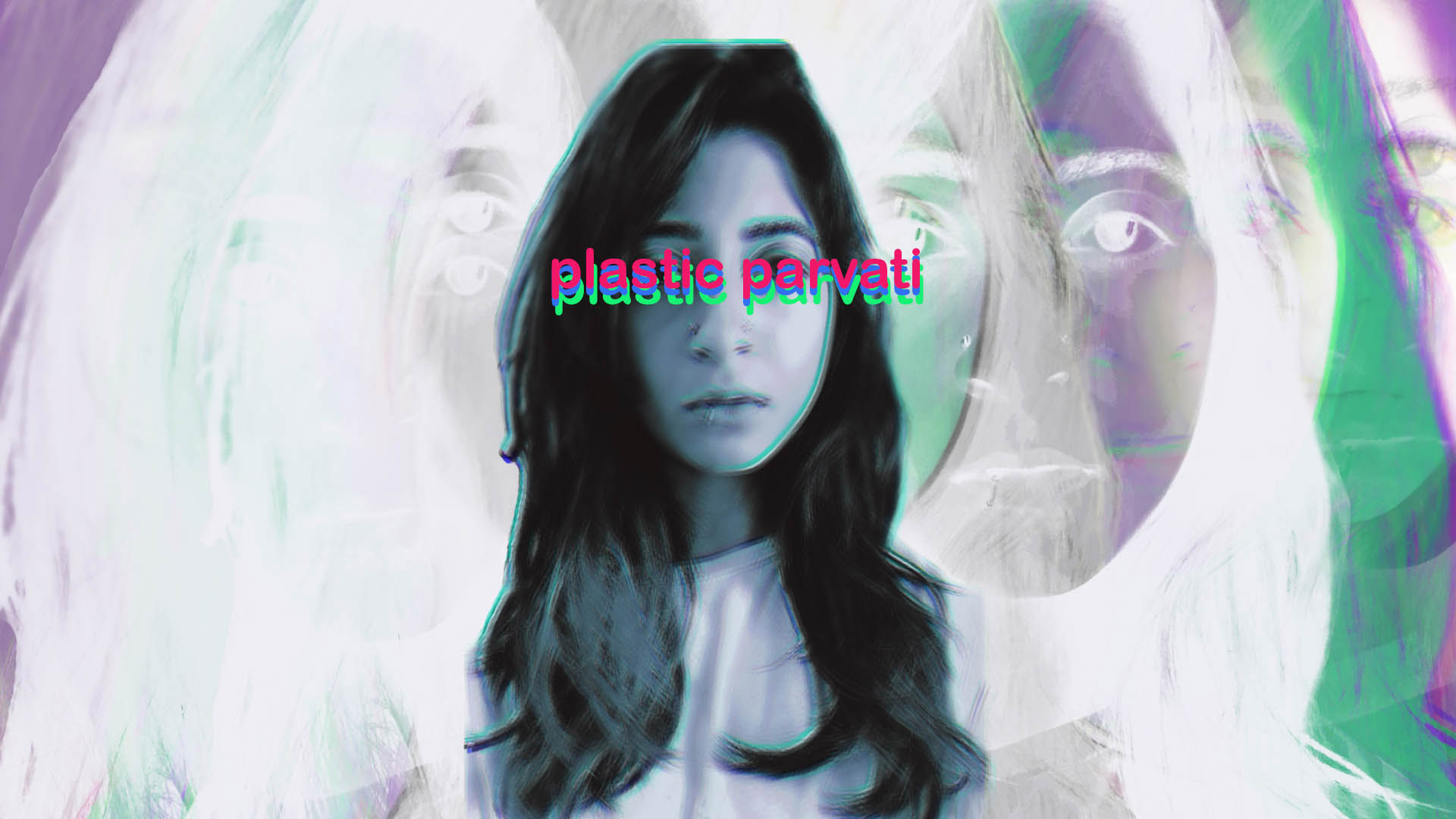
If you’ve been paying attention to the music coming out of Kolkata for the past few years, you’d have heard of Suyasha Sengupta. She was the lead singer for the Ganesh Talkies – a rare frontwoman / guitarist – and went on to form her own electronic solo act called Plastic Parvati.
Last month, the reputed Toto Awards chose Plastic Parvati as the winner of their Music award for 2019, from among a formidable list of upcoming musicians. Recently, we caught up with Suyasha for a long-ranging interview covering the prestigious award, new music, artistic influences, and so much more. Read on below:
Top Five Records: Hi Suyasha!
Suyasha Sengupta: Hey!
TFR: Thank you so much for doing this! Just to give you a little bit of an introduction – we are Top Five Records, an independent review website that’s been online for about six years now. You may not remember, but we actually featured one of your songs a long time ago.
SS: Oh, yeah, was it before the album or something?
TFR: Yeah, it was literally like in 2013.
SS: Oh yeah, had to be one of the first ones.
TFR: Yeah, we’re really big fans of you and Ganesh Talkies, so we’re really glad that we could take the time to speak. So let’s get started, from the beginning. When did you start to get interested in music?
SS: Well, I come from a very Bengali household, so there was always some kind of music on when I was growing up. The stereotype is, you know, that Bengalis always have Rabindra sangeet on somewhere in the background, and that was quite true. There was a lot of folk music, traditional Bengali music, and there was also a lot of Elvis, the Beatles, Nat King Cole and all of that. Even before I started playing music, I would say that since I grew up with music, it helped the process.
I think I was about 10 or 12
years old when I realized I wanted to start singing and writing music. I
started taking guitar lessons when I was about 14. And then of course, I
discovered Nirvana and Alice in Chains and Stone Temple Pilots – the whole
grunge scene. I think I always knew that I would pursue something in the arts,
but music was always my release, my go-to. It was a very natural process.
TFR: Right. And so, do your parents like the fact that you’re a musician?
SS:(Laughs) Well, I’ve been doing this for a while, so they’ve kind of abandoned the hope of me pursuing something else. It wasn’t very smooth in the beginning, but since I’m an only child, I played that to my advantage. For Indian parents, to let their children go into a creative field, it’s a little bit scary, because the future is always uncertain, and it’s an unstable profession. It doesn’t have the comfort of a steady 9-to-5. My parents were obviously apprehensive.
I started singing professionally
at 18; this was when I was still in school, playing a gig on the weekends,
going back to school the next day – for pocket money. They figured out that I
would pursue something in the arts, but they encouraged me to at least get a
bachelor’s degree. After graduation, they were like, “If you can manage both,
then go ahead”. I actually ended up quitting my Master’s program after a
semester and moving back to Kolkata, and that’s when I had a more serious
conversation with them. Initially, they weren’t happy but I think they’ve
gotten around to it.
TFR: Yeah, especially if you’ve always had music in your home, they would be semi-okay with the idea anyway.
SS: Yeah, and they were happy that I was doing my own thing and taking care of myself. And unlike the sex drugs and rock ‘n’ roll stereotype, she hasn’t turned up in a ditch somewhere yet (laughs).
TFR: Haha, right. So at what point did the whole Ganesh Talkies thing start, and when did you decide that you wanted to start the Plastic Parvati project on your own?
SS: Going back to the band when I was 18, we were primarily a covers band, and we used to play at this place in Kolkata called Someplace Else. The bass player, Roheet, and I eventually wanted to play our own music, from our own set of influences. One of the things we bonded over was ‘90s Bollywood. Not the music necessarily, but like a certain Govinda movie or some dance step. That’s how Ganesh Talkies started, and then the guitarist and drummer joined in. We came from different sets of influences, but the common love for – I wouldn’t say trashy – but the over-the-top Bollywood helped us.
TFR: Yeah, that ostentatious element.
SS: Exactly. Unreal, gaudy. So that’s how we started Ganesh Talkies. We focused on making our own music rather than covers. When I was in the band, I started experimented with production. I was the primary songwriter for the band, and sometimes I’d have a keyboard or drum idea in my head, but I couldn’t always explain it to them. So I was like, okay, if I could map it out on a software, then maybe they can understand.
At the same time, I also realized
that some of the stuff that I was writing was a little bit too intimate for the
band. It was just my stuff and my moods. So Plastic Parvati started off as a
passion project – and a learning project. I would use it to learn how to
produce and how to write music personally.
TFR: For sure. Earlier on, you were mentioning that Nirvana and grunge is a very big influence for you. Does that carry on to Plastic Parvati?
SS: Nirvana for sure, that’s going to have an influence on everything I do. I think grunge in general has had a huge impact too. Apart from Nirvana, I was discovering a lot of female artists – musicians, directors, poets. I stumbled upon Hole, Garbage and Bikini Kill. These women have left a deep influence on me – because of their music, I don’t feel inhibited to say how I feel with Plastic Parvati. I’ve always been attracted to the fringes, the left-of-center artists.
TFR: That actually reminds me of this VH1 show called Left-of-Center.
SS: Exactly! I remember watching Nine Inch Nails and Marilyn Manson videos, and I thought it was so cool. I’m a sucker for commercial pop too, but I really related to that. And that was the only good thing on TV around that time, and I feel privileged because they actually used to play music on TV back then. Now it’s just reality shows.
TFR: Yeah, now it’s just trash.
SS: Yeah. I don’t even own a TV anymore.
TFR: Same here. Going back to your album [Songs About Lovers, 2017], what was going on through your mind when you were putting that together?
SS: So with the album, we – by we, I mean me and my mentor Miti Adhikari [noted Kolkata-based producer] – we were putting together these snippets when the Ganesh Talkies was having an off-season period. I played him a bunch of unfinished scratches, about 20 of them, because I had all of these clips but I didn’t know what to do with it. There were some that we rejected outright and some that we picked out to work on more. That’s when the idea for the album came about. Miti is someone that I feel extremely comfortable with, so it was a very collaborative process. While I was songwriting, he gave me all of these ideas in terms of instrumentation or production. We’d worked together on Ganesh Talkies but that was as a producer; this was a more intimate process. I’d share the ideas and record the vocals at his place.
I didn’t initially plan on releasing it – it was originally for my mental health, that I could finish the project, because I was trying to tell these stories through my songs. The theme in my head was essentially a chronicle of my experiences as a woman in India, and an exploration of my sexuality.
TFR: Right. We’ve heard great things about Miti from Nischay Parekh as well, about how he was instrumental in developing his sound, too.
SS: Yeah, he’s really one of the key figures in the music that comes out of Kolkata. It’s a small city, and we’re all friends with each other.
TFR: Yeah. So I wanted to ask you about your experiences as a female Indian musician. What kind of changes would you like to see as a performer, for indie musicians to really get the recognition they deserve?
SS: It’s still a tiny bubble. For Indian musicians to get the recognition they deserve, we have to break out of the bubble. We all play gigs in the major metros or the tier-2 cities, but it’s not enough. How many people actually hear anything indie? Firstly, we need a scene which is not just, like, 10 people from Bombay; more inclusive of other people, other voices. And we need more female, trans, LGBTQ voices – moving away from the straight, upper-caste Hindu, male thing. We just need more involvement.
In fact, I was recently looking
at some of the American festivals – there’s always one or two women headliners,
but we don’t have that here. Like, last year, there was this festival on
Women’s Day, that had an all-women lineup, but it was organized by men! The
point is not to have an all-women line-up. The point is to normalize the role
of women or other communities amongst what exists now.
TFR: Exactly. They essentially didn’t do much except filter by gender.
SS: Yeah, like there’s a “genre” called “girl-band”. For other bands, there’s genres like rock, hip-hop, whatever, but for these girls, there’s a genre called “girl-band”. That doesn’t make sense! The conditioning needs to change, basically.
And another aspect is that I’m
basically in the black-hole of the country [musically]; we in Kolkata don’t
always get the push we deserve. But I love Kolkata, it’s very comfortable.
TFR: Yeah, this is what we hear from the Chennai bands, too: “No one really cares what we do in Chennai, so we just have a lot of fun by ourselves”.
SS: Exactly. If you look at the music that’s coming out of these two cities, it’s extremely different and diverse. We have to work harder, and we don’t get the kind of recognition in other cities, so we have to focus on our craft more. We have no infrastructure, just us musicians. We have to travel to Bombay or Bangalore just to play a gig.
TFR: Speaking of gigs – what’s on the radar for Plastic Parvati?
SS: The next gig I’m playing is Control Alt Delete. It’s actually my first as Plastic Parvati in Bombay. I’ve consciously stayed away from club gigs because I’ve done that extensively with Ganesh Talkies. I also want to put out some music by the end of the year, because there’s been a change in my musicality. I want to see how that works, in the context of an EP.
TFR: Nice! So do you have anything down already?
SS: I’m still writing, so it’ll take some time. I don’t like giving myself a deadline, because I feel pressured, but I have some scratches down.
TFR: Cool! So the last thing we wanted to ask you is about the Toto Award, which you won recently for Music. That’s a great achievement, congratulations! What does the award mean to you?
SS: Honestly I didn’t expect it at all! Although I’ve been playing music for a while, Plastic Parvati has just been a year of me seriously trying to do something. In terms of independent arts in India, this has been one of the groups that has been supporting artists for a long time. And the previous winners are all artists I deeply admire – it’s great to be one of them now! Toto has always been great at selecting the non-mainstream, slightly underdog artists – there’s some pressure on me now to live up to their support. It’s also encouraging to know that there’s an organization like that that appreciates artists like me. I’m hoping that it’s a message to younger girls, too: there’s people out there who do support you.
TFR: Well, that’s all the longer questions we had. We just want to do a quickfire round now, cool?
SS: Sure, yeah!
TFR: Who would be your favorite Indian artist, apart from yourself and Ganesh Talkies?
SS: Fuck. This is hard. I can’t pick one! I’ll go with Parekh & Singh, and Peter Cat (and LIFAFA and Begum).
TFR: Awesome! I guess our tastes match exactly, because the last two interviews we had were with Parekh & Singh and LIFAFA.
SS: Nice! Yeah, I feel like they’re very representative of Indian indie. They’re not trying to do like weird raga type things with Western instruments, but they are writing their amazing songs, and their sound is incredible.
TFR: It’s very desi.
SS:Desi, but perfectly balanced. Oh, I actually really like Disco Puppet as well. But that’s a personal bias! And… can I name one more? I’ll say Pulpy Shilpy [Gowri Jayakumar’s solo project]. Spoken-word, hip-hop, R&B. And she’s doing everything by herself, so I’m a deep admirer of that aspect.
TFR: Right, ties in with who you are as well. So moving on, which musician, dead or alive, would you most love to work with?
SS: Definitely Sandunes. I love everything that she does, her music, who she is as a person. Her music is very calm, thoughtful. I’m the opposite, like a hurricane – would be very interesting to see what a collaboration would be like.
TFR: Third question. What’s your drink of choice?
SS: Royal Stag, with water.
TFR: Nice. Classic. What’s one track or album on constant rotation lately?
SS: An LP that I found recently – Yellow Magic Orchestra. It’s these three Japanese dudes who made weird stuff in the ‘70s. All analog stuff.
TFR: Very left-of-center, as we were talking about. Final question – what’s been your favorite gig so far as Plastic Parvati?
SS: This is also a little difficult, all gigs are so different. I did this one REProduce session in Varanasi. We were on the roof of a hostel overlooking the Ganges, full-moon night. The crowd was an interesting mix of foreigner tourists and some locals, who were listening to non-Bollywood Indian music for probably the first time in their lives. It was super interesting, and the lineup was great, too. Fun gig.
TFR: Absolutely. So, that’s all from our side. Thank you so much for speaking with us! We’ll keep an eye out for the new EP, and it was a blast speaking with you!
SS: You, too. This was so fun.
You can listen to Plastic Parvati on SoundCloud,Spotify, and iTunes. And keep an eye out for her new music!
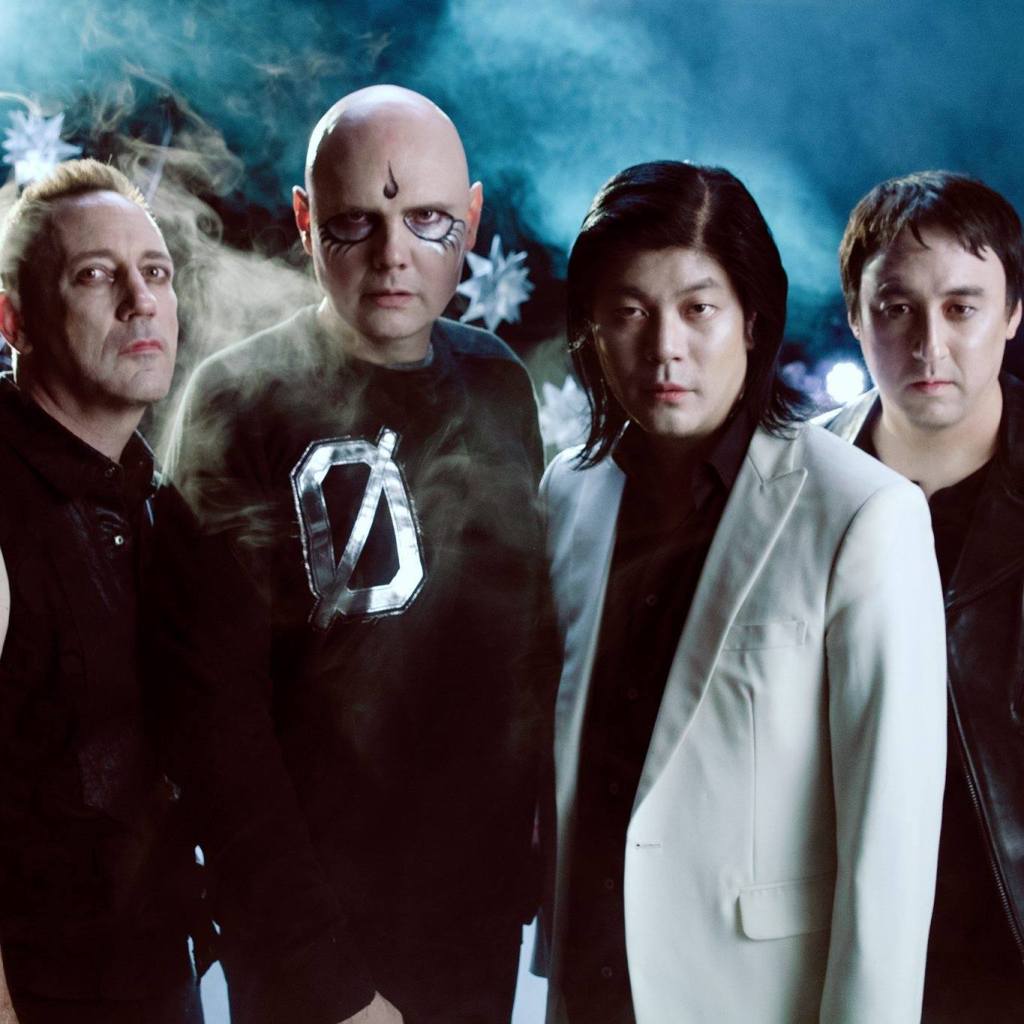
Since 2005, eternal frontman Billy Corgan has rotated through several lineups under the Smashing Pumpkins banner. Each incarnation’s musical output covered wide-ranging territory, but sadly offered mere glimpses of the classic Pumpkins sound of the original foursome. Corgan had always maintained that he wanted his band to be something more than a nostalgia act, but occasional potshots at original members D’arcy Wretzky and James Iha didn’t help reunion prospects.
Then, the unthinkable happened. In March 2016, James Iha joined Corgan on stage to perform “Mayonaise”, sending a legion of Pumpkinheads around the world into a frenzy. The Pumpkins would eventually reunite (albeit without Wretzky) for a glorious arena tour, playing a three-hour long setlist carved out of their ’90s years.
Miraculous reunion aside, the tour setlist made
abundantly clear just how deep the
band’s catalog runs. A boxset of the band’s B-sides and
outtakes (The
Aeroplane Flies High) went platinum; so
did Pisces Iscariot, a less elaborate
compilation of rarities. The Pumpkins belong to an exclusive club of bands
whose deep cuts offer as much depth and quality as their singles.
As the band and its fanbase get ready for another tour this summer, we bring to you our top five Smashing Pumpkins deep cuts. Enjoy!
5.
“Glynis”(1993)
In our opinion, “Glynis” was the stand-out track
of No Alternative, an AIDS-relief project
that boasted the who’s who of 90s alternative rock (Pavement, The Breeders,
Pumpkins). Apart from his angsty nasal whines, the Corgan of those days was a
master of the dreamy semi-whispers that perfectly complemented the blanket of
riffage underneath them. “Glynis” is a prime example of this era, with flanging
guitars and a shimmering strings section.
4.
“Set the Ray to Jerry” (1995)
This track, written during the Gish (1991) era, is widely considered by
the fanbase to be one of the band’s best. Allegedly written about bassist Wretzky’s
dad (who Corgan found to be extremely intimidating), “Set the Ray to Jerry” is
carried by a thumping drum and bass backbone, set to an emotional vocal
delivery by Corgan. Perfectly oscillating between dreamy croons and impassioned
outbursts, it is still considered to be one of Corgan’s finest vocal
performances to date. Although it failed to make the final cut of the band’s
third album Mellon Collie and the
Infinite Sadness, it was included as a bonus track on a 2012 re-issue.
Hurrah!
3.
“Stellar” (2007)
As a reunion album, Zeitgeist was not exactly what fans had been waiting for, but it certainly
had its moments. “Stellar” is a sonic journey that harks back to the Siamese Dream (1993) days when Corgan’s
guitar lines had an ethereal element to them. That vibe, locked in with drummer
Jimmy Chamberlin’s thumping fillers, makes “Stellar” one of the best tracks to
come out of the Zeitgeist era.
2.
“Meladori Magpie”(1995)
The lead up to Mellon Collie and the Infinite Sadness was a particularly
productive period for the band: to realize his vision for an elaborate double
album, Corgan was churning out demos at a brisk pace. Naturally, the period also
saw a lot of experimentation with singing styles and arrangements; a few demos are
especially notable for a bizarre carnival-themed undercurrent that accentuated the
rough concept of the album. In our opinion, the best example is “Meladori
Magpie”, originally released as a B-side to the album’s third single, “Tonight
Tonight”.
1. “Waiting” (1998)
“Waiting” was a product of the Adore sessions that took place at Sunset
Studios in late 1997. It was a trying time for the band: their touring keyboardist
died of a heroin overdose, and longtime drummer Jimmy Chamberlin was fired. Chamberlin’s
void left by Jimmy gave way to a lot of experimentation with drum machines and
other electronic elements. “Waiting” is a gloomy but surging track pulled out
of this very same bag of tricks. Surprisingly, it was left out of the original Adore tracklist, but found its way back
on a 2014 re-issue.
Gorgeous artwork by Rudraksh Banerjie and Khyati Trehan
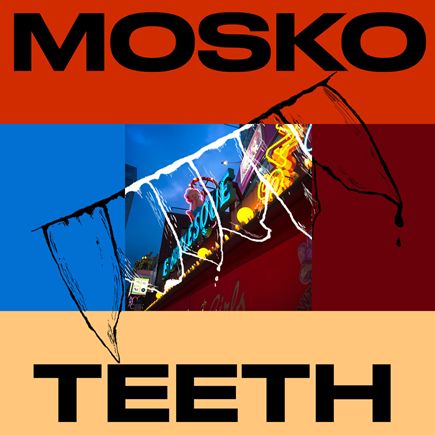
Mosko’s debut EP, Teeth, has been a long time coming. The Delhi dance-rock band’s initial duo of Kavya Trehan and Moses Koul have been touring under the moniker since 2014, and their EP release last month has come after three years of work and a reworked lineup (now featuring drummer Suyash Gabriel and bassist Amar Pandey). After so much energy, and effort, and labour, is the payoff worth it?
Short answer: yes.
Teeth is a solid showcase of the band’s unique energy. It’s a mish-mash of ideas and inspirations, jumping around not just across songs but within songs. The album plays fast and loose with the hyphen between the band’s two genres, shifting between danceable rhythms and headbanging beats. It’s far, far too short a release, but offers so much in that small amount of time.
First up is “Smooth,” which perfectly describes Mosko’s sound. The whole song alternates driven grungy guitar riffs (think Nirvana circa “Lithium”) with a more poppy, whirly 3-3-2 organ rhythm. The song is constantly shifting rhythms and beats, but instead of sounding disconnected it just works, because of the way Gabriel’s incredible drumming and Pandey’s competent bass-work backs up Trehan’s powerful vocals. I can only imagine how much of a crowd-puller this song would be live, just by virtue of how far it carries its energy.
Up next is “Mosey Pants,” one of the two tracks co-written by the band’s earlier bassist Abhinav Chaudhury and drummer Karan Malick. It’s upbeat, with some highly infectious guitar licks and solos, yet with just the right number of breath-catching moments to help you keep up. Perfect crowd-puller.
“Ydek” shifts down a gear or two in tempo and beat, while maintaining the energy levels. It’s a measured gathering-of-the-clouds sort of sound, which never quite breaks the levee but never quite needs to.
The final track, “Drance 109,” starts off sounding vaguely Arctic Monkeys and ends up sounding like organised chaos (in a good way). Trehan’s weaponised voice is the lynchpin that ties the explosion together, with space left over for Koul’s guitar work to fill in the rest with a sound ranging from the sharpest electronica to the muddiest of metal.
Mosko performing “Smooth” on Balcony TV
The one drawback to Teeth as an EP ends up actually being the strength that’s going to ensure Mosko’s continuing success: it’s an album that’s guaranteed to sound better live. Mosko are forging ahead as primarily a duo, but the EP promises a duo that will fill up the stage. Teeth is an absolute tease of a release but in the best possible way, a promise of something more when aided by a bunch of massive speakers and a roaring crowd.T
Sound the alarms: everyone’s favorite dream pop duo is back!
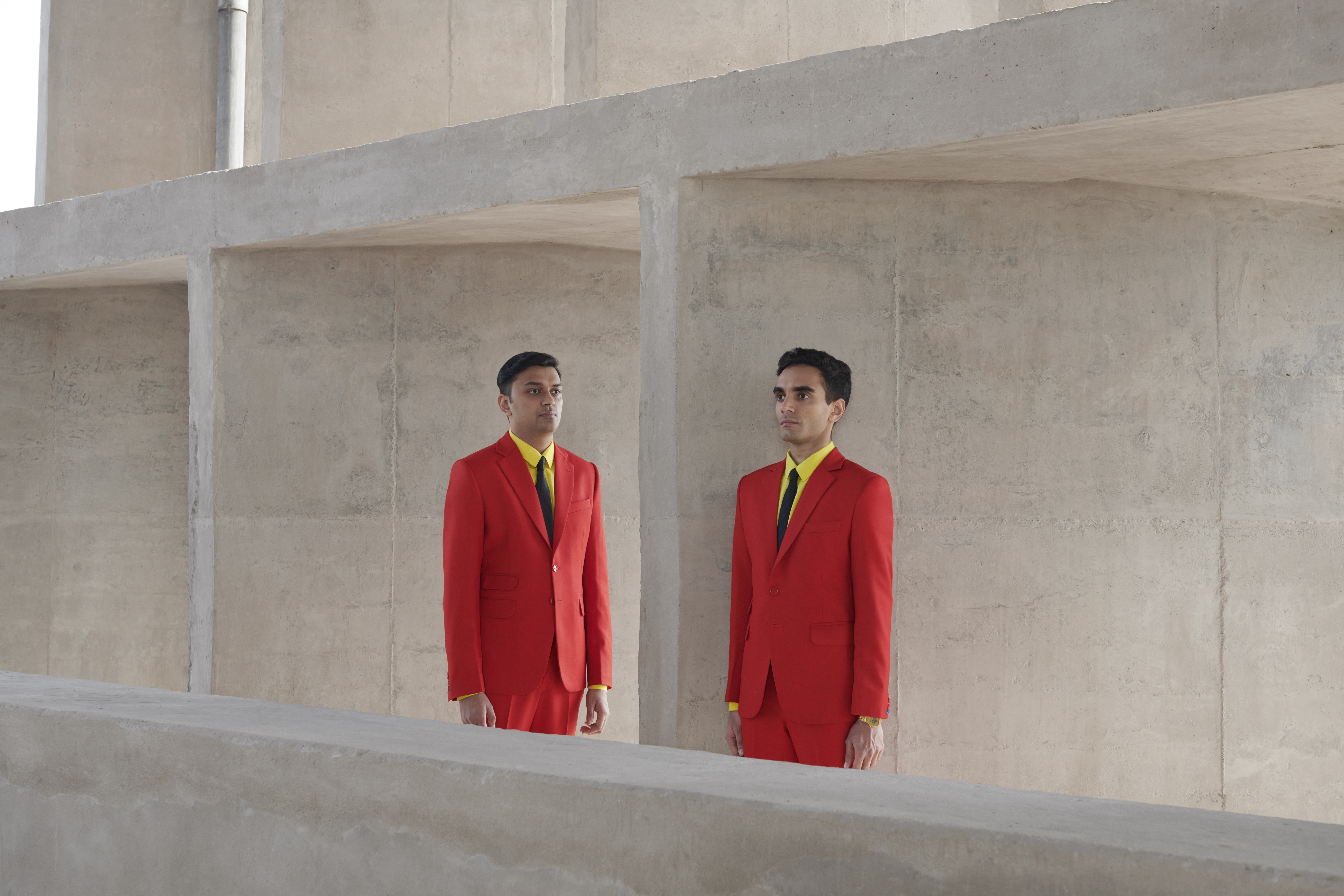
Parekh & Singh, comprising of Nischay Parekh and Jivraj Singh, is a Kolkata-based indie / dream-pop duo. In 2016, they released a well-received debut album, Ocean, followed by a couple of wildly-popular, high-aesthetic music videos. Recently, the band has released two songs ahead of their second album Science City.
As eagle-eyed readers no doubt know, we spoke with Nischay Parekh back in 2013 when his solo career was just getting started. Even all those years ago, Nischay blew us away with his beautiful melodies and intricate pop sensibilities (see: “I Love You Baby, I Love You Doll”). Since that time, he has teamed up with Kolkata-based drummer Jivraj Singh to form Parekh & Singh, an indie pop mainstay in Kolkata and beyond.
The first two singles from Science City are a wonderful sign of the music yet to come. “Summer Skin” is a stripped-back mix of delicate chords, Singh’s understated percussion, and Parekh’s classic vocals. “Hello”, crisp as a spring morning, is a take on a meet-cute-gone-wrong, where two would-be lovers never quite strike up the courage to say, well, hello.
Top Five Records recently caught up with the duo for a short
interview. Read on below:
Top Five Records: How did the two of you meet? When did you start working together?
Parekh & Singh: We bumped into each other at a birthday party, and started working together in earnest in 2012.
TFR: Tell us a little bit about your musical process. How do you lay down the foundation of a track? At what point do you start penciling in the lyrics?
P&S: Most songs begin with the lyrics, and a foundation of melody & harmony. Rhythmic content in the form of percussion and electronics is usually added next, and then a back-and-forth process of exploration and editing begins until the arrangement and instrumentation are locked and the song feels finished.
TFR: Last time we spoke to you, Nischay, you mentioned that your musical influences range from Rod Stewart to Nat King Cole. We’re curious to know more about Jivraj’s influences. When did you first get into music? What did you grow up listening to?
P&S: (Jivraj) My primary influences are my parents (who were both musicians) and the music they were listening to – pop music in all its forms along with jazz and fusion from the 1940s to the 70s. I’ve been into music from the time I was a toddler, but I began the pursuit of music-making at the age of 18.
Image credits: Parizad D
TFR: You describe your new album, Science City, as a shift to the cosmos; we read it as a dream pop band’s take on science fiction, almost. What’s the inspiration – musical and otherwise – behind this rather specific theme?
P&S: We are avid fans of science: fiction and fact! The cosmos inspires us to study it with the scientific approach, while simultaneously inspiring us to react to it with our emotions and study ourselves. To us, music seems to function in a very similar way: an outward story-telling symbiotically coexisting with an inward story-search.
TFR: Your music videos are usually packed with specific details and distinctive imagery, whether it’s the rural greenery on “Ghost” and “I Love You Baby, I Love You Doll”, or the precise primary-color palette on “Summer Skin”. Tell us more about your creative process behind the music videos?
P&S: A lot of visualization and discussion goes into building a context for each album. We have a comprehensive and detailed set of guiding documents in place long before we even begin to think of a music video. Once there is a rigorous foundation in place we can have a bit of fun without getting too lost!
TFR: In our opinion, your videos and fashion sense have an unmistakable Wes Anderson vibe to them. What are your non-musical influences in shaping the band’s image?
P&S: We enjoy the feeling of “balance”. This concept and sensation is important in countless realms – health, art, relationships, science. The organization of colour, material and form – which results in the band’s image – is closely linked to our deeper desire to create and maintain balance in our lives.
TFR: Your new album releases on April 26th. What’s on the radar in terms of an album tour or other appearances?
P&S: We’re keen to play live, on TV and on the radio in as many countries as possible in support of the new album. It’s all work in progress at this stage but we will share information about our plans as soon as possible.
TFR: What’s on constant repetition at Parekh & Singh nowadays? (Aside from your own tracks, of course!)
P&S: 21 Savage, Angelo De Augustine, Ariana Grande, Chance the Rapper, Kacey Musgraves and Miles Davis.
TFR: And lastly, the most important question: where do you get your amazing suits from?
P&S: Barkat Ali & Brothers, Chowringhee Place, Kolkata.
You can listen to Parekh & Singh on most streaming services. Science City is out on April 26th, 2019. Keep an eye out!
Assume Form does two things that immediately catch my attention. The first is feature Metro Boomin, who is the music man of the moment. The second is feature Andre 3000 who will always be the music man for every moment. The trap of the Metro Boomin songs works really well against Blake’s softer production giving the two songs an excellent texture. Travis Scott adds heft to “Mile High” and Blake’s singing forms strong hooks there.
“Where’s The Catch” with 3k is excellent. The production is built off a loop that constantly teases a resolution that never comes and stays intriguing the whole way thanks to some fascinating dives off the base form. Andre 3000 is amazing as always and we’re all still waiting for a new album from him. It’s a song that’s more producer driven than it is standard rap, but Andre still does fantastic work in it and it’s just a great song.
Sadly, the album doesn’t do as well without the guest stars. “Power On” is trite both musically and lyrically, as is “I’ll Come Too”, although that at least has a tiny twist of the knife in it.”Don’t Miss It” doesn’t do enough. I respect how personal it is, but it’s still also shallow and cliche. It needed more personal touches and just takes too much time for too little payoff. ”Can’t Believe The Way We Flow” is just boring. At least “Into The Red” has a solid phrase forming the beat and that does a lot for it.
Overall, this album just has too many songs that do nothing. The standouts are excellent though.
As we finish up the first month of the new year, Top Five Records is proud to start what we hope will become a long-standing tradition: a quick, five-song list of the month’s best songs. We’re just thirty-one days into 2019, but we’ve already enjoyed some great music. So, without further ado, here is the inaugural Monthly Playlist – enjoy!
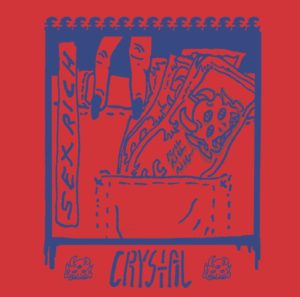
5. “Sex Rich” – CRYSTAL
CRYSTAL is a Scottish punk / grunge act that has been gaining a solid fanbase over the past few years – and for good reason. The band elicits the best parts of 90s alternative mainstays like Nirvana and Pearl Jam – from vocalist Anna Shields’ gauzy vocals to guitarist Blair Crichton’s jagged, heavy riffs – without sounding like a rip-off tribute act. “Sex Rich” is perhaps the best introduction to CRYSTAL. The slight menace in Shields’ opening lines builds to a grungy wall-of-sound that occasionally breaks for some muddy, hard-hitting riffs. Have a listen, and keep an eye on this band.
File next to: Nirvana; Genres: Grunge, punk
4. “Landslide” – Beirut
If you love cinematic pop, you’ve likely been a fan of Beirut for years. “Postcards from Italy”, the band’s break-out track from their debut album in 2006, showcased the best parts of their sound: a folksy take on world music that somehow elicited images of cobbled European villages or cafés in old-town Ankara. “Landslide”, from the band’s upcoming fifth album Gallipoli, continuous this vibe. Zach Condon’s signature sweeping vocals tether the combination of percussion and staccato organ notes to create a lush, uplifting sound. Gallipoli is out on February 1, 2019.
File next to: Grizzly Bear; Genres: Indie, folk
3. “Pure Water” – Mustard feat. Migos
There’s plenty to love about this new track from Mustard and Migos. A hypnotically uneven beat provides the foundation for taut verses that perfectly exemplify why Migos currently rule the rap scene. All three Migos have a flow so unique that it goes beyond the lyrics as an instrument in itself – a feat so inimitable that it is now known ubiquitously as the Migos flow. On “Pure Water”, Offset, Quavo and Takeoff excel in shooting words with precision between the ebbs and flows of a beat, and Mustard provides them the perfect fodder.
File next to: Future; Genres: Trap rap
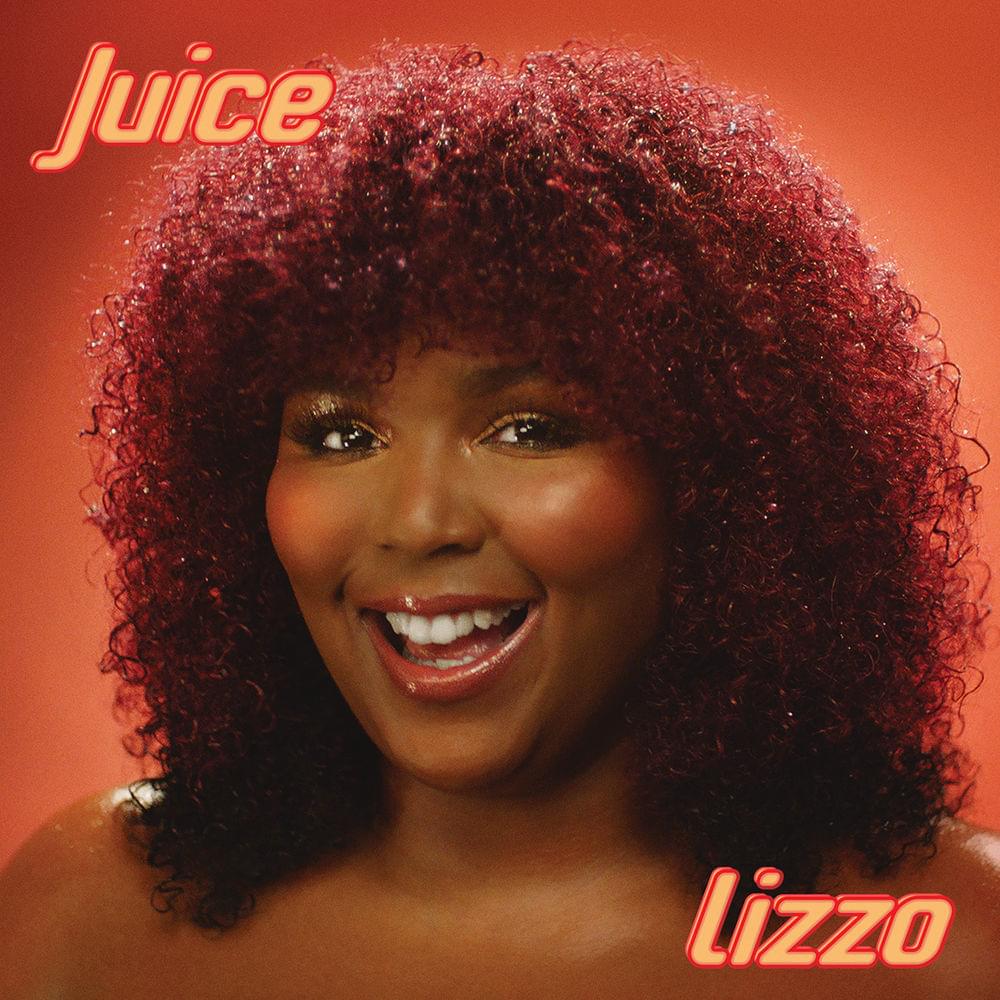
2. “Juice” – Lizzo
Since her debut in 2013, Lizzo’s music has been known for her gratuitous mix of soul and funk with the beat elements of mainstream of hip-hop. “Juice” is no different – a fun and exuberant take on the phrase “Why should boys have all the fun?” with some great lines that hinge on Lizzo’s self-confidence (“No, I’m not a snack at all / Look, baby, I’m the whole damn meal”). As a mark of her rising star, Lizzo performed this very song this week on Ellen. If that isn’t a testament to the song’s perfect dance sensibilities, we don’t know what is. Lizzo’s third album Cuz I Love You will be out on April 19, 2019.
File next to: Janelle Monae; Genres: Funk, hip-hop
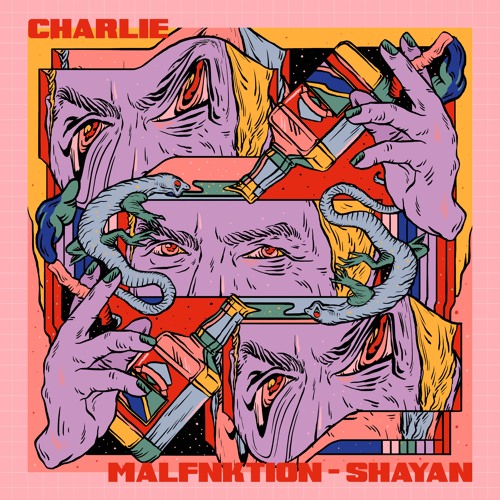
1. “CHARLIE” – MALFNKTION feat. Shayan Roy
Mumbai-based electro-hip-hop act MALFNKTION is one of the
most reliable beatmakers in Indian hip-hop. Older tracks like “Rani” (from 2015’s
Hindustani Rascal EP) showcased his
ability to merge desi elements such
as old-world filmi samples onto an
ever-changing landscape of beats. Recently, though, he’s really stepped it up a
notch – and Shayan Roy, who you may know as the youthful Bengali lad in many
Buzzfeed India videos, deserves much of the credit for it.
On “CHARLIE”, Roy’s fluid, swaggering flow meshes perfectly with the maddening beats – complete with an electronic horn section – that MALFNKTION puts together. With his lyrical dexterity and pop culture references, Roy evokes Childish Gambino, and we hear bits of Iggy Azalea’s melodic braggadocio here too. Simply put, we can’t recommend this track enough.
Bonus: If you liked this one, be sure to check out this duo’s other collaboration, “Vincent Chase Slippin”.
File next to: Childish Gambino, Iggy Azalea; Genres: Hip-hop, electronic
Mixing upbeat pop with depressing lyrics is arguably the biggest cliché in the indie music scene. Juxtaposing the two sounds is an easy way for lesser bands to come off as deep while cleverly hiding an inability to craft complex music. Deerhunter are among a small subset of bands that have proven able to rise above the trope. Over the past two decades, the band has created some incredibly layered music that warrants multiple revisits to understand its intricacies and hidden depths.
Deerhunter’s eighth album Why Hasn’t Everything Already Disappeared thankfully continues this trend, with the 10-song LP finding the band at both their most pop-sounding and their most nihilistic, with polished sounds playing off depressingly bleak lyrics.
Take the album’s second track, “No One’s Sleeping”, where the electric clavichord and up-tempo drums hide the depressing childlike lyrics (“No one’s sleeping / great unrest / in the country / there’s much duress”). Frontman Bradford Cox has commented extensively on the influence played by British MP Jo Cox’s assassination at the hand of a right-wing assailant, but you wouldn’t dwell on it until you dig deeper.
Another standout track that repeats this recurring theme of pop-laden nihilism is “What Happens to People?”. There’s this 2-chord piano phrase that sticks in your head, almost distracting you from the song’s underlying message: “What happens to people? / They fade out of view”.
Disappeared is also notably timely and (very subtly) political, abandoning the band’s earlier nostalgia shtick. This is an album replete with visions of a decaying civilisation that call you not to arms, but to introspective attention, such as in “Détournement” or “Futurism”. It’s almost impossible in this day and age to devoid art from politics and the current state of the world, but Deerhunter’s take is somewhat refreshing even if it does require the occasional hiding-of-sharp-objects to process.
Album opener “Death in Midsummer”
Ultimately, Disappeared is probably not going to make too many year-end lists,
nor is it going to drastically expand the band’s wagon. Still, it’s a very
solid addition to an already stuffed catalogue, and will definitely have you
hitting replay (and, quite likely, a nearby pub).
Origami Harvest is an interesting, if inconsistent, album. There’s some really compelling jazz here. “the lingering velocity of the dead’s ambitions” is pleasingly jagged, which is where the album is at its best, but drags a few moments out for too long. The interplay between Kool AD and Ambrose Akinmusire in “blooming bloodfruit in a hoodie” is excellent, but the ad-libs drag the sound down. “miracle and streetfight” has an excellent conversation between the strings and the brass and the space in “Americana / the garden waits for you to match her wilderness” is very strong. The political tinge adds a little depth but needed more development if it were to add another dimension to the album.
Overall, this is an album that rewards a listen and one that stands out for the uniqueness of the pairing, but is nonetheless deficient in fairly significant ways.
4. Moses Boyd – Displaced Diaspora
This album is a fascinating view into London, not the London of Dickens and smog, but that of the many people that have through one means or another found their way there. It’s an album that does more than just talk about London’s history as a global city. Naturally then, it fuses a lot into the base sounds with Afro-bass in a few songs, including the energetic “Frontline” and rap in “Waiting on the Night Bus”, which has a nice traditional jazz feel, but is sadly weighed down a little by that same “City Nocturne” however stays traditional but is elevated by the fantastic vocal work of Zara McFarlane.
It’s an album with undeniable grooves. Moses Boyd’s drumming and production are rightly acclaimed and this album showcases that well. Unfortunately though, the album does still pall on repeated listens. There’s plenty of cleverness in it and the diaspora adds some welcome challenge, but as a whole, it feels a little lacking. Nevertheless, it’s a fascinating and under-explored angle into a city often evoked and a strong musical piece to boot.
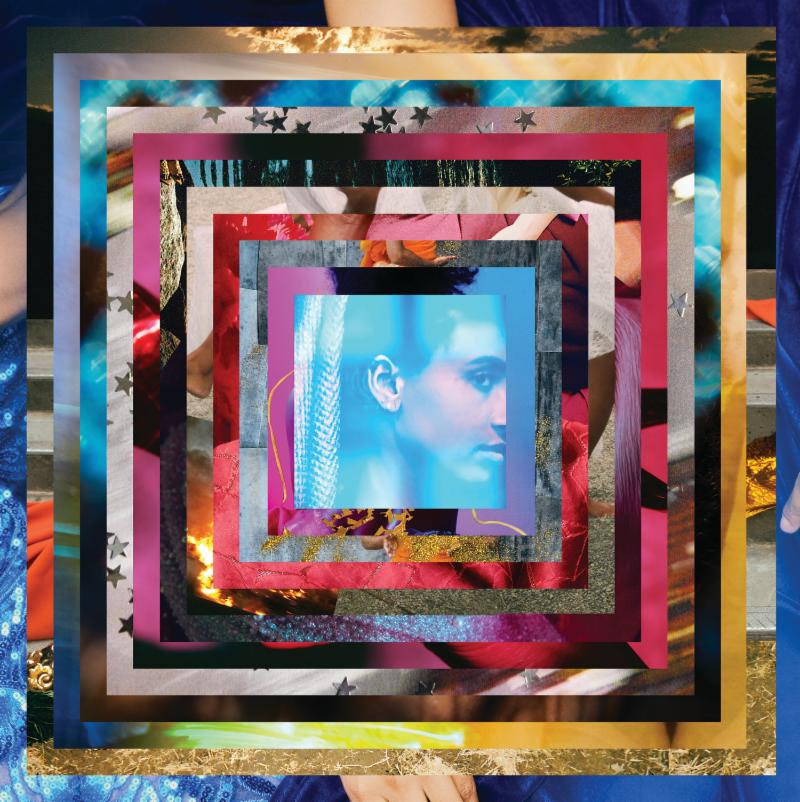
3. Esperanza Spalding – 12 Little Spells
This is a highly challenging album rife with atonalities, genre bending and odd meters, but somehow charming despite that and undeniably clever. It’s a gorgeous puzzle box of an album that pushes at you again and again. There’s more than enough here to reward you for the considerable effort that the album asks for and the album makes that effort fun to spend. You should definitely give it a listen and then give it a bunch more so as to fully appreciate what it does.
2. Joey Alexander – Eclipse
It’s hard not to be excited about Joey Alexander. His debut was fantastic and he goes from strength to strength. It’s not just that he is a prodigy, it’s that his skill is prodigious. He has a great flair for the unexpected, which shows up well in “Space” and an ear for the gentle and beautiful as in “Time Remembered” and “Bali.” Additionally, his guest Joshua Redman does fantastic work in his solos in “Fourteen” and “The Very Thought of You” which are then matched wonderfully Joey Alexander’s piano work. It’s even very approachable and his version of “Blackbird” is worth checking out no matter your comfort level with Jazz. My only complaint is that the album as a whole could have used a little more challenge, but the album is so charming and cheerful and refreshing to listen to that the complaint seems almost misdirected. Eclipse is just something that you are glad to have listened to.
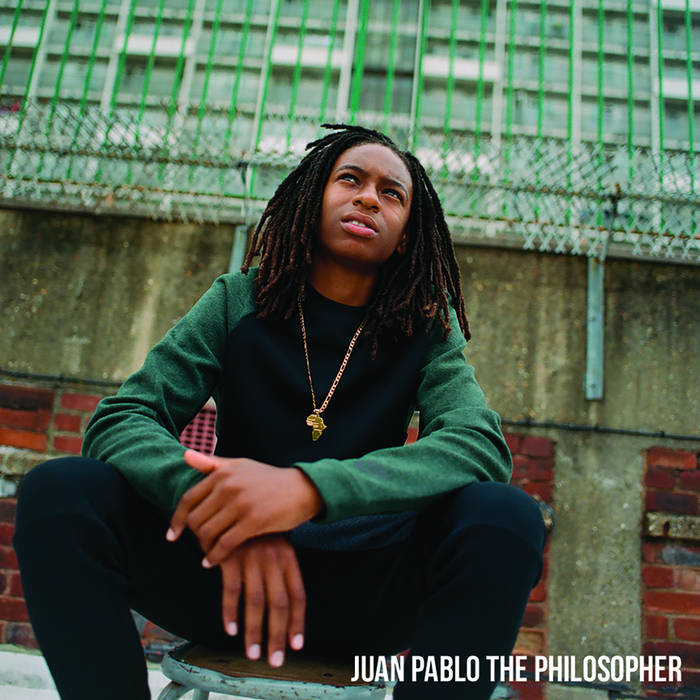
1. Ezra Collective – Juan Pablo: The Philosopher
This is an excellent album and another that’s just a pleasure to listen to. It’s underpinned by good, traditional jazz but layers on fascinating world influences from Africa to South America and the Caribbean. “Juan Pablo” in particular benefits from this openness and then again in the drums of “The Philosopher.” These are upbeat songs that energize while still fully engaging the mind. The highlight though is the final song, an unorthodox and wonderful take on “Space Is The Place”, the famous Sun Ra piece. There’s even space in this album for the more drawn out sounds of “People In Trouble.” This is a very, very strong sophomore effort and an album that I cannot recommend highly enough, both for people deep into jazz and for people looking to try some out. You should definitely listen to it.
LIFAFA
is the solo electronic project from Suryakant Sawhney, the lead singer of famed
New Delhi indie / jazz outfit Peter Cat Recording Co. While Peter Cat’s music
is often a dizzying mishmash of influences ranging from cabaret to psychedelia,
LIFAFA is more focused in its palette: desi,
electronic, nostalgic, intimate – yet danceable, too.
After a well-received debut EP (In Hi Ko) in 2014, Sawhney released a follow-up EP, Jaago, this month. Our favorite song from the album is the title track. With its harmonium-based intro and Sawhney’s wistful vocals, the listener is immediately pulled back into a Technicolor yesteryear. About halfway through, however, the song melds seamlessly into a dance track that references the same old-timey tones – cinematic swirls, dramatic embellishments – but in a fresh, modern way.
We recently
sat down with LIFAFA for a quick chat about the new music, artistic influences,
and much more. Read on:
Top Five Records: On Soundcloud, you describe your new track “Jaago” as Bhajan EDM, and honestly we could not put it any other way. How would you describe the LIFAFA sound overall?
LIFAFA: It’s a place where I’d like to imagine I have a completely blank infinitely large canvas to try whatever I like, however niche an idea and attempt to refine it till its limit before wiping it all clean and starting again on something else. So I guess right now what I’m working on is the sort of Hindi music I wish I heard playing around me. I’ve been driven insane by the fucking awful shit I hear playing outside on radios and giant tower speakers and I hope people steal or buy my music just so some of those speakers are tranquilized.
TFR: Where does Peter Cat end and LIFAFA begin? For example, are there some snippets that you shelve away because they have a more “LIFAFA” sound to them?
LIFAFA: For one, I’ve generally tried to steer those songs which require the precision of dance music production towards LIFAFA. I don’t necessarily separate on the basis of language or quality. But most importantly I’m never in both mind frames simultaneously anyway. It’s a switch I have tried to build slowly which allows me oscillate between a human who thinks and feels in English and one who thinks and feels in Hindi. It takes a bit of time to turn into either person again and everybody must suffer.
TFR:As with Peter Cat, your solo music has a dreamscape kind of feel – it’s often like listening to a lucid dream. How would you describe your creative process? Do you land on the mood of the track first, or is it something else?
LIFAFA: My music all hinges on there being one definite moment where the initial melody, beat or combination struck home. It’s important to remember why you fell in love with a song or were attracted to it and then later down the road, the real test is in trying to recreate that moment in time while upgrading its general production (without losing what give it that soul). I can generally remember the exact moment a song was born. That’s a large reason I made more lo-fi music, because I also felt that, during the process of cleaning it up or re-recording, something vanishes.
TFR: Your music references so many types of art – other genres of music, the Technicolor drama of old Hindi films, and so on. What would you say are your key influences as a musician?
LIFAFA: It’s an ever growing list, starting from my childhood or my memories and tragedies, to neoclassical American music, to jazz, to Vrindavan, to physics, to YouTube, to Jordan Peterson and the Internet. Ultimately in time, I’d like to reference reality and not other art which is just somebody else’s reference to reality. There is no key influence, just the desire to keep re-informing myself and constantly changing.
TFR: You just had your new album launch in early January. Congratulations! Tell us a little about the album. What’s different this time around? What inspired you on this one?
LIFAFA: Well, for one, it’s better produced than my older work. It’s all in Hindi or Hindustani. It’s hard for me to answer this. I think a lot of what I said in the first question is relevant here. I was certainly driven by the idea of attempting to push Indian culture forward, in its own way, and ingest global ideas without become one. Blah, blah, blah. Also, I grew tired of making deeply personal music which I do in English and attempted to find a place where I responded more to my external environment, being Delhi and India, rather than just my own inner psyche.
TFR: Very interesting, thank you. Before we wrap up this interview, we have a few quick-fire questions for you. Here goes!
TFR: What are some album(s) on constant rotation recently?
LIFAFA:Pavilion of Dreams by Harold Budd (can’t get enough). However, I generally listen to tracks and not albums. I’m obsessed with “After the Rain” by John Coltrane these days. “Jamuna Kinare Mora gaon” by Prabha Atre has become a favorite, thanks to a friend.
TFR:What’s your favorite Hindi movie of all time?
LIFAFA:Muqaddar ka Sikander for its music, dialogue and beautiful approach to morality and tragedy. Everything about it is sublime and it never ceases to be accessible, which is the real achievement.
TFR: Drink of choice?
LIFAFA: Bourbon. Bailey’s.
TFR: What’s been your best gig so far?
LIFAFA: So far – at a particular show at the Serralves festival in Portugal, a couple decided to get married while I played “Irradon” and asked me to announce it for them.
TFR: And finally, who would you say is an Indian artist you love? (Not necessarily a musician)
LIFAFA: Amit Dutta, a filmmaker. I only saw fragments of his work and instantly knew he was on a another level. Yet to watch anything by him completely because I keep forgetting to. Some people just frighten me.