In a world dominated by global pop sensations (see: Ariana Grande, K-pop), it can often seem like rock and roll is about to doze off at the wheel. Sure, you have the occasional saviors, like Royal Blood or the more derivative Greta van Fleet, but there aren’t too many active and prolific rock and roll artists today.
Except, of course, for the Black Keys.
The Black Keys, comprising of Dan Auerbach on guitar / vocals and Patrick Carney on drums, is as lean and mean as they come. Their songs are – and have always been – loud, effortless, rollicking, and whatever-is-the-opposite-of-pretentious. They are, simply put, a good time through and through.
What’s more, this sound has largely been dependable over the band’s extensive history. The band’s first five albums – The Big Come Up (2002), thickfreakness (2003), Rubber Factory (2004), Magic Potion (2006) and Attack & Release (2008) – were released in quick succession and to moderate fanfare. But it was soon after that they really started to take off. Brothers (2010) and El Camino (2011) would top the charts of any best-of-decade blues rock albums, spawning still-ubiquitous hits such as “Tighten Up”, “Howlin’ for You” and “Lonely Boy”. While Turn Blue (2014) could be considered a slight step down, it was still a great rock album – and that’s our point. There are few, if any, other artists today with such a long-standing, consistent and beloved rock discography.
And all that back-story brings us to the ninth Black Key album “Let’s Rock!” (2019). Coming after a scary five-year gap (“Will they ever get back together?” wondered fans everywhere), the album is sturdy, no-nonsense and catchy as all hell.
It’s also, reliably, packed to the brim with top-notch bluesy hits. “Shine a Little Light” opens the album with about twenty seconds of anticipation, before kicking into high gear with a hard-hitting riff. By the time Auerbach gets to the swashbuckling chorus (“If evil lays its hands on me, shine a little light on my soul / Show me things I cannot see, shine a little light on my soul”), you know what you’re getting for the rest of the album – good old-fashioned rock and roll fun.
And it’s pretty much non-stop from there. “Eagle Birds” is bluesy perfection, equally appropriate for an exuberant road-trip or a raucous dance party. “Lo / Hi” could, and probably will, soundtrack an advertisement for a Cadillac, or a leather jacket, or a motorcycle (or maybe all of those things) – pure swagger and confidence from head to toe. “Go” is an instant rock classic, with a single-word chorus (yep, the word is “go”) that perhaps no other band could really pull off.
In between these hard-rock hits, a few songs provide some welcome contrast. “Walk Across the Water” features gentler vocals with laidback, Hendrix-like riffs – a catch of breath in the otherwise relentless first half. “Sit Around and Miss You” is rockabilly meets Revolver-era Beatles, with warm riffs, old-timey “oohs” and “aahs”, and simple-as-they-get vocals.
Bottom line: “Let’s Rock” is straightforward, old-fashioned, and just plain fun. If you’re looking for something deep or ground-breaking, you’d best look elsewhere. If not – you’re in the right place.
Before we swing into the final month of the year – and the decade! – we wanted to do a quick review of a few songs that made our November. Read on below:
5. “Kiss Like the Sun” by Jake Bugg
Jake Bugg has been our radar for about the last seven years, when we covered his fantastic, eponymous debut album. Even back then, the young (1994-born) singer-songwriter had a unique sound, evocative of the good old days (think Bob Dylan) but often ratcheted up to a modern-day streetwise setting (a la the Arctic Monkeys’ debut).
His sparkly debut, unfortunately, was followed by a rather middling series of three albums, with the last being released in 2017. Happily, though, it looks like Jake is making a foray back into music. On the new track “Kiss Like the Sun”, the Nottingham lad taps into a sort of amalgamation of the jangly tunes of a Feist track, and the rollicking bluesy good times of the Black Keys. We loved it, and hope there’s more to come.
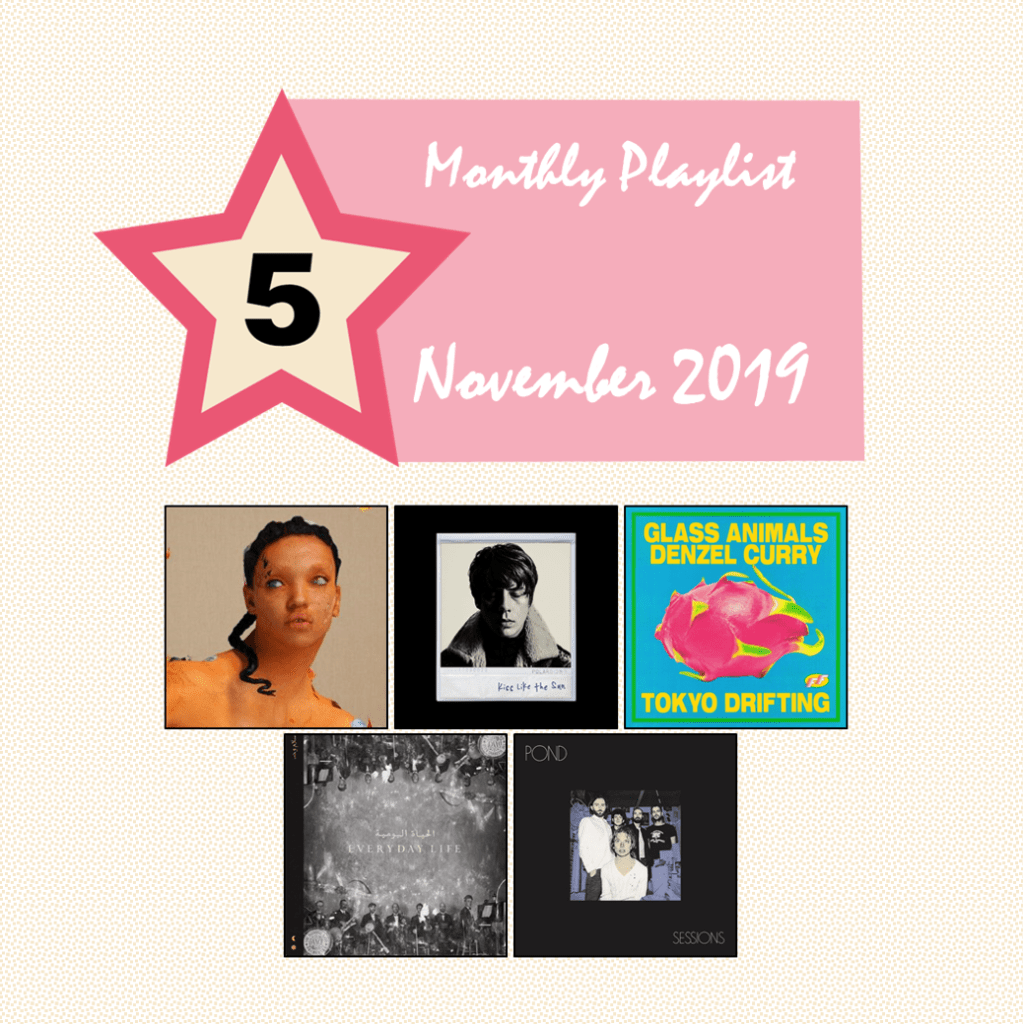
4. “holy terrain” by FKA twigs
“holy terrain” is, in our opinion, the stand-out track from FKA twigs’ overall brilliant album from this month, MAGDALENE. Over a glitchy trap beat, twigs’ airy voice seems to speak of a soon-to-be love-hate relationship in its tumultuous early days. “Will you still be there for me once I’m yours to obtain? / Once my fruits are for taking and you flow through my veins?” she asks, hitting about ten emotions and twenty notes on the way. Her lover, here played by rapper Future, doesn’t have a great answer: “Throw loads of gold on you just to fall asleep, yeah / I hope you never take my love, yeah, in vain, yeah,” he answers, putting materialism and love in doomed equal footing. Ouch – good luck, folks. If you loved this track, be sure to check out our full review of MAGDALENE.
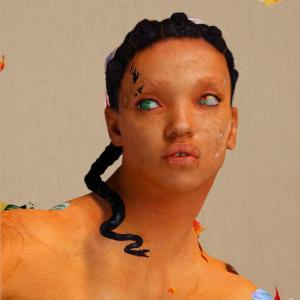
3. “Tokyo Drifting (with Denzel Curry)” by Glass Animals
Florida rapper Denzel Curry seems to be having a Brit-heavy collab year. After a joint track with British rap’s reigning king slowthai earlier this year, Curry has a notable stint on “Tokyo Drift” by British act Glass Animals.
For those who are new to Glass Animals, the four piece creates essentially a genre-bending musical mix of pop, R&B, trip hop, and everything in the middle – think Mazzy Star meets Portugal the Man over woozy electronic beats. On “Tokyo Drifting”, the dizzy trap beats and disorienting lyrics do indeed bring to mind a fast, nighttime drive through the glittering streets of Tokyo. And the best part, honestly, is Curry’s fast-and-furious verse right in the middle.
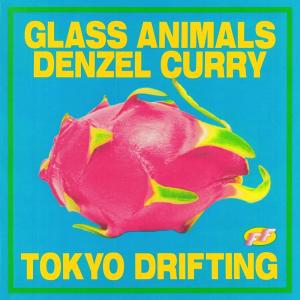
2. “Don’t Look at the Sun (Or You’ll Go Blind)” by Pond
So we’re cheating a little bit here: “Don’t Look at the Sun (Or You’ll Go Blind)” by Perth-based psych rockers is technically a song from their debut, Psychedelic Mango, way back in 2009. However, the song was rerecorded and released as a single on their Sessions live album from earlier this month, so we are considering it fair play.
With the heady reverb and thick basslines, “Don’t Look at the Sun” right from the outset sounds a lot like Tame Impala. We know we make that comparison that a lot – Tame is a solid reference point for lots of new music – but in Pond’s case, the comparison is not accidental. Pond and Tame Impala enjoy a revolving door of Perth-based musicians that play pretty much across both bands, including Kevin Parker himself, who used to drum for Pond. Basically, it’s no accident that “Don’t Look at the Sun”, with its groovy breaks and Doppler-effect vocals, feels like it would fit right in on Lonerism.
If you liked this song, we highly recommend you check out Pond’s 2019 album Tasmania – the eighth (!) full-length album from the good folks Down Under.
1. “Arabesque” by Coldplay
Like the Pond song earlier, this one is a little bit of a cheat too. As our avid readers would no doubt recall, we mentioned “Arabesque” as the paired single with “Orphans” in last month’s Playlist. However, since both songs feature on the band’s new album Everyday Life, out on November 22nd, we are once again considering this fair play.
Everyday Life overall is imbued with the mystique, romanticism and inimitable beauty of the Mediterranean-meets-Middle-East – the broad swathe of countries across the culturally complex top half of Africa. In fact, the essence can be summed up precisely by the name of this very song, “Arabesque” – a little Arabic, a little French, and many other things too.
On “Arabesque”, Chris Martin and the lads do justice to this complexity with a jazzy, bilingual track that elicits a Casablancan air of exotic joie de vivre. The lyrics themselves are not complex: “I could be you, you could be me / Two raindrops in the same sea,” sings Martin across English and French, perhaps speaking to the ultimate commonality in the basic human experience. But it’s the delivery – the band at their liveliest and most exuberant – that really makes the song for us. The best way to experience this song is through its accompanying live music video (which, in fact, was released this month, so I suppose we get points for that?):
In May of this year, indie pop-rock mainstays Vampire Weekend released their fourth full-length album, Father of the Bride. We are aware, yes, that we are a little late with this review; but with the end of the year coming up fast, we thought it best to close the loop on some albums that we haven’t gotten around to reviewing just yet.
Vampire Weekend burst onto the scene, almost literally, with a sparkling, eponymous debut album about a decade ago. Their sound was a mystifying mix of mainstream and hipster – think clean-cut prep school kid with surprisingly deep life experiences. That first album had songs like “Oxford Comma”, literally devoted to a grammatical element (but a hipster one!), and “Cape Cod Kwassa Kwassa”, a juxtaposition of idyllic New England summers and Congolese dance.
The next two albums, Contra (2010) and Modern Vampires of the City (2013), had a similarly well-traveled mishmash of sights and sounds, with hits like “Horchata” and “Diane Young”. Although their sound was a little more grown-up, the essence remained intact. Things are now different, though, with the departure of one Rostam Batmanglij.
Vampire Weekend, in its original iteration, was a four-piece consisting of vocalist / guitarist Ezra Koenig, guitarist Batmanglij, bassist Chris Baio, and drummer Chris Tomson. Koenig and Batmanglij had a great song-writing partnership. Batmanglij’s wildly creative, global influences provided, in our minds, the X-factor to the band’s otherwise tidy sound. In January 2016, Batmanglij left the band to pursue solo projects – and this is the first Vampire Weekend album without him.
Vampire Weekend without Batmanglij essentially becomes an
Ezra Koenig project. That’s not necessarily always a bad thing. For one, Koenig’s
ability to write a great indie pop song is perhaps unrivalled today. Also,
Koenig now has a celebrity status (see: has a child with girlfriend Rashida
Jones, has a Netflix series and an Apple Music radio show) that allows
him to pull together a galaxy of musical guests onto the project. The end
result, however, is pleasant, charming, polite – and ultimately a bore.
Our readers may be surprised by this assessment; we have, over the past year, done our fair share of gushing over the album’s singles (see here and here). When all the pieces are put together, however, Father of the Bride paints a different picture. It’s the soundtrack to your child’s pastel-themed second-birthday-party. It’s the backdrop to the flowery end of a romcom. It is the sound of entering your mid-thirties considerably less cool than you were in your twenties – albeit armed with a sensible savings account and a postcard-perfect house.
Father of the Bride is packed with fantastic, beautiful songs that deserve to be heard. There are some truly beautiful riffs on here, from the bright “Sunflower” to the deft “Harmony Hall” . Danielle Haim of HAIM joins Koenig for three pretty duets, most notably on the folksy opener “Hold You Now”. It’s a great album – just don’t expect the old Vampire Weekend.
Best songs: “Harmony Hall”, “Sunflower”, “This Life”
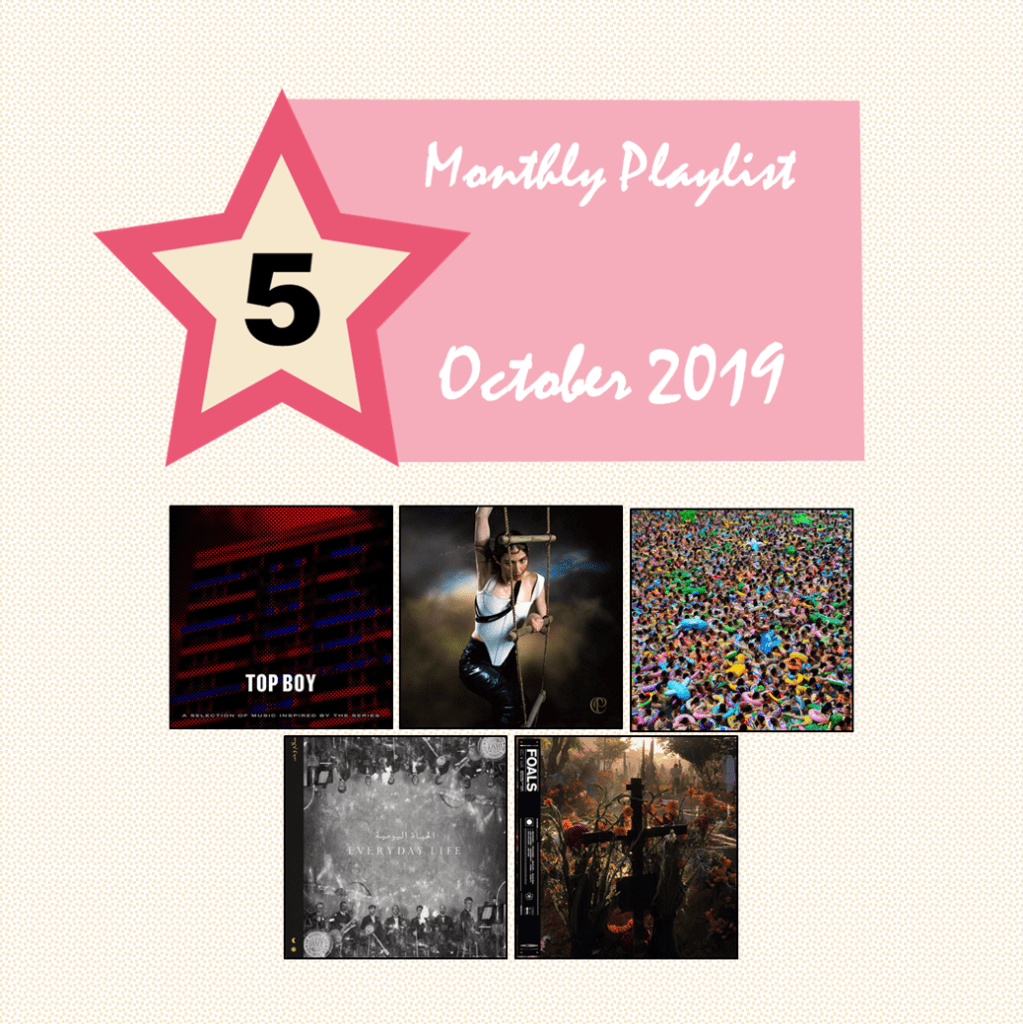
We are back with another edition of our Monthly Playlist. Read on for a list of five songs that caught our fancy this month, from old favorites to newer entries.
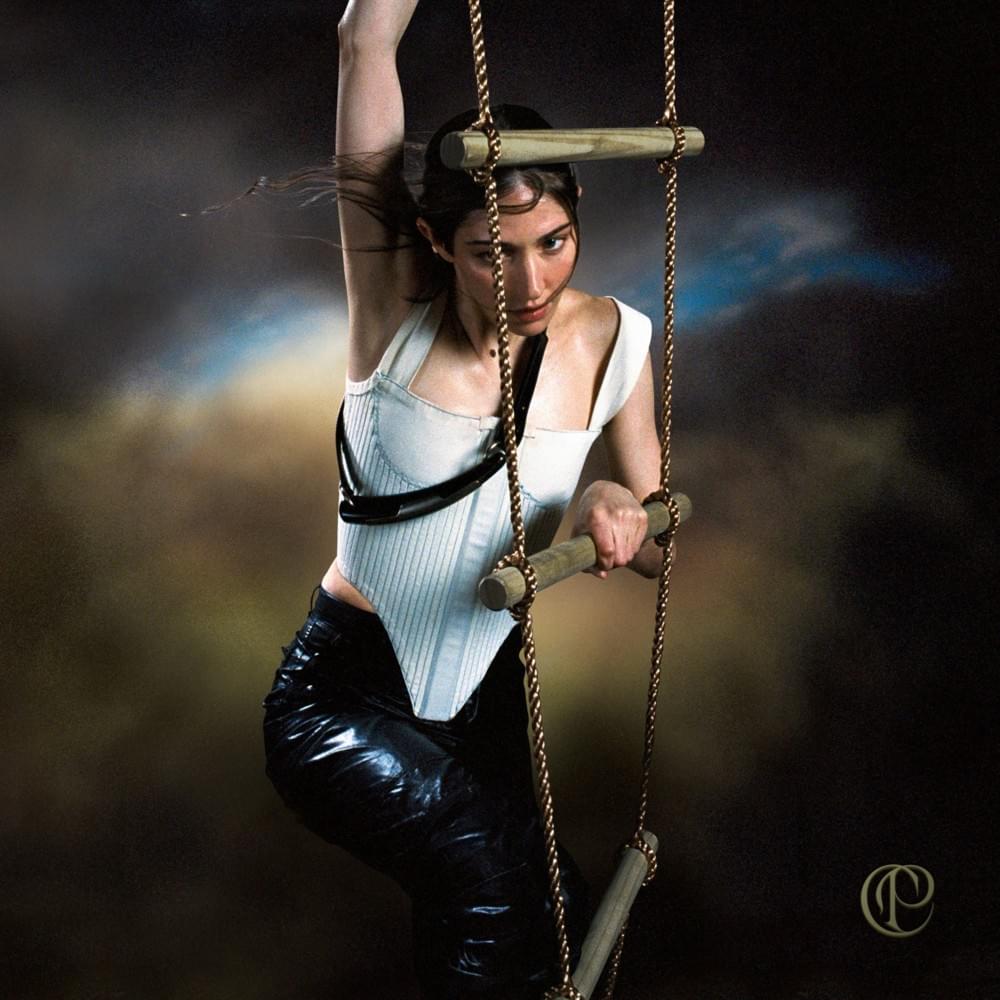
5. “Hit Me Where It Hurts” by Caroline Polachek
Caroline Polachek is one half of Chairlift, an erstwhile two-piece synth pop from the early 00s. They toured with the decade’s darlings – the likes of Phoenix and The Killers – but ultimately called it quits. And just as well, because Polachek’s own music stands out more than most of the stuff she made with her band.
From her new album Pang, “Hit Me Where It Hurts” is somewhat of a modern pop classic. It boasts all the key elements of any pop song worth its salt – a hurtful yet magnetic relationship, occasionally sultry vocals and so on – but Caroline’s synth pop history gives the tune an unusual edge. The best part of the song is the hypnotic opening couplet – “I’m feeling like a butterfly trapped inside a plane / Maybe there’s something going on, I’m not insane” – and she takes a good call in peppering it throughout the song. “Hit Me Where It Hurts” may underscore the vulnerability of loneliness, but it looks like Polachek is doing just fine on her own.
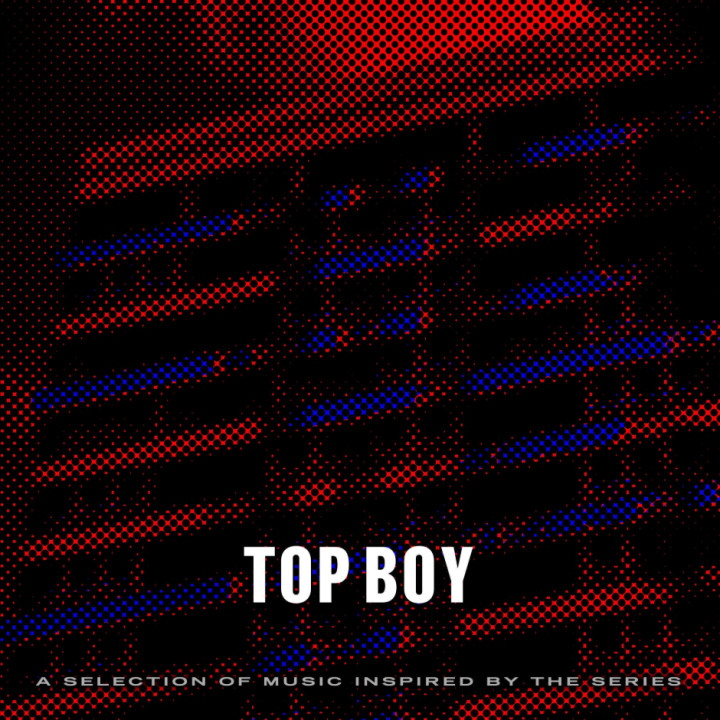
4. “Professor X” by Dave
UK rapper Dave is having a really good year. In March, he released his debut album Psychodrama, a sharp, autobiographical look at growing up black and poor in the United Kingdom. A mere six months later, Psychodrama won the Mercury Prize, the biggest music award a British artist could receive. Like his compatriot slowthai, whose debut album was also nominated for the prize, Dave captures the zeitgeist of the UK today: rifted and divided in every sphere of life.
“Professor X”, his first song since the Mercury Prize win, is part of the soundtrack for Top Boy, a grungy UK Netflix show where Dave incidentally made his acting debut this year (we told you he was having a good year). It’s as sharp as anything on Psychodrama, and his flow meshes perfectly with the layered beats. If you need an intro to Dave, this song is probably it.
3. “Dexter & Sinister” by Elbow
To say Elbow is underrated would be an understatement. The English rockers have been around for quite a while. Over their two-decade-plus career, they’ve won prestigious awards like the Mercury Prize (for 2008’s TheSeldom Seen King) and Best British Group (2009’s Brit Awards). They’ve even soundtracked their home country’s Olympics in 2012. Yet they are hardly a household name, at least outside of the UK.
Therefore, we consider it our obligation to showcase “Dexter & Sinister”, the opening track from their eighth (!) studio album, Giants of All Sizes. A heavy bass-and-drums riff leads into heady, vaguely apocalyptic vocals. About halfway through, the song suddenly takes a dreamy, melancholic turn – complete with elven female vocals – before segueing into a meditative guitar outro. These twists may seem abrupt on paper, but the high production value makes them seamless.
The fine print to the song’s ethos, apparently, is Brexit,
per lead singer Guy Garvey. He described the song as “a great, big, bewildered
question dealing with my feelings on Brexit, the loss of family and
friends and the general sense of disaffection you see all around at the
moment,” and we do see what he means.
2. “Orphans” by Coldplay
British mainstays Coldplay were in the news a fair bit this month with the announcement of their new album, Everyday Life, out next month. The beloved band released two singles in anticipation: “Orphans” and “Arabesque”. While both are as emotive as one may expect from Coldplay, it’s “Orphans” that has wormed its way into our heads.
Centered around jangly guitar riffs and Chris Martin’s trademark head-cold vocals, “Orphans” seems to be a sad paean to the continuing unrest in Syria. As with many Coldplay songs, the lyrics are moving and meaningful. In this case, the story revolves around Rosalene, a young girl raised by her father in a Damascus orchard. The “missile monsoons” of the Syrian bombings are implied to have killed her father and later, her, too.
It’s a lovely song that speaks tenderly about an ongoing horror in our world – with a good melody to boot. The music video, released last week, is definitely worth a spin, too, for a peek into how Coldplay built out this song. Watch below:
1. “Wash Off” by Foals
As our readers are well aware, Foals have blessed us this year with not one, but two, fantastic full-length albums. Fans hardly had time to absorb Everything Not Saved Will be Lost, Pt. 1in the first half of the year before the Oxford fourpiece announced a quick follow-up. Two great singles – “Black Bull” and “The Runner” – primed listeners for Pt. 2, which officially released on October 18th. “Wash Off”, the third track off the new release, is a deserving addition to the list of great Foals songs from 2019 (of which, happily, there are many).
Foals’ longevity over the past decade rests on their ability
to evolve their sound while keeping their essence intact. In our opinion, nowhere
on the new album is that more apparent than on “Wash Off”. The song starts off
with an agile guitar riff that is quickly met by timely drums. Whereas the old
Foals would have kept dialing up the frenzy, the Foals of today wisely move the
song along into a catchy chorus. The good part, though, is that they do dial it
up when they need to – for example, just before the final chorus where all the pieces
of the song finally come together in an exhilarating 30-second solo.
Another Monthly Playlist, another Foals song at #1. But can you really blame us?
Over the past decade and a half, India has seen a remarkable
growth in the sheer number of independent, non-Bollywood music. From electronica
to indie rock to hip-hop, we now have it all. But as the scene develops, many
homegrown artists understandably sound a lot like the global artists they’re
trying to emulate. There are a few exceptions, of course – artists who are truly,
unmistakably, confidently homegrown; and Peter Cat Recording Company easily rules
over them all.
Delhi-based quintet Peter Cat have been a beloved part of the Indian music scene for nearly a decade; Sinema (2011) especially was all the rage for a particular cross-section of indie fans that came of age in that era. They’ve always been ahead of the curve, but perhaps by too much – fully-formed and original in a nascent and sometimes derivative industry. In many people’s opinions (including ours), they deserved so much more than the tiny listening audience and a four-city gig circuit that the country could afford them.
Luckily for all of us, Peter Cat seemed to have been thinking along the same lines. Recently, they signed on to French label Panache Records, which promptly released a nine-song anthology of the band’s greatest hits (Portrait of a Time, 2018). Happier still was the news this year that the band would be releasing a full-length album – the official “debut” – with Panache. Peter Cat were finally getting the management and international exposure that their brilliance deserved. Would they live up to it?
The short answer is: yes.
Peter Cat Recording Company is not just a great band; they’re a great Indian band. Their sound blends easily across jazz, gypsy, disco, you name it – but at their core, Peter Cat is undeniably desi. On Bismillah, that thankfully doesn’t change.
Take, for example, “Where the Money Flows”, which opens the album with diegetic sounds of the homeland – the birds, the distant honks, a spluttering engine. Between gentle guitar strums and handclaps, the lyrics paint a picture of trade-offs between money (bad) and love (good). But the music video makes their intent much more explicit: they’re talking specifically about that great Indian experiment, demonetization. The fact that the music video was released days before the final stretch of India’s historical general election made the link even clearer.
Other songs on Bismillah reference India in decidedly less political terms. With its Technicolor throwback and old-world croon, “Heera” could be an erstwhile filmi hit (barring the English-language lyrics). Disco jam “Memory Box” is would fit right in on a best-of-Bappi-Lahiri special issue with the busy guitars and dramatic violins. “Floated By” is a nod to the celebrated big-brass sounds of Indian weddings; you could almost imagine the trumpets and the melancholy vocals serenading the wee hours of a wedding reception somewhere. Indeed, the music video is set in a real wedding – Sawhney’s own, in fact.
Of course, the brilliance of Peter Cat lies in their ability to seamlessly fuse their Indian sensibilities with great music from elsewhere. One touch-point, especially, is the minimalist vibe espoused by the likes of the xx. “Remain in Me” is built mostly on the Sawhney’s lilting voice and a sparse drum-guitar line, joined by forlorn horns in the chorus. “Vishnu ❤” is a hypnotic, chillwave gem, interspersed again by Peter Cat’s signature brass. Moody psychedelia, a la Tame Impala, is another key influence, especially on the expansive album closer “Shit I’m Dreaming”.
Peter Cat’s strongest suit, however, is Sawhney’s rich, emotive voice. He is fully in control of his considerable talent: perfectly complementary to the instruments in one moment, a sublime falsetto on the next, and maybe a quick aalap here and there. His voice sways, croons, reaches and swoons; but always adding to that iconic Peter Cat sound.
Bismillah is a kaleidoscopic journey through genres and time periods; experimental, creative but always on brand. It’s their best work yet and, honestly, one of the best albums we’ve heard all year (Indian or otherwise).
Best tracks: “Where the Money Flows”, “Heera”, “Floated By”
Check out Peter Cat Recording Company’s website for more information.
By now, the Strokes’ trajectory is well-known: an impossibly perfect debut album; overnight global success; and the subsequent chase for a repeat of all that. Amidst personality clashes and competing side-projects, the latter half of the Strokes’ history is murky; and by then, a slew of Strokes-inspired bands (see: Arctic Monkeys, The Killers) began stealing the limelight from the OG. No wonder, then, that the Strokes’ best-known songs are still the ones they released in the first five years of their career.
But nestled deep in the Strokes’ catalog are some truly underrated gems. With rumors of a sixth album releasing very soon – gaining more and more credibility with the just-released 2020 gig dates – we figured it’s time for a closer look at some deep cuts: The Strokes edition.
5. “Razorblade” from First Impressions of Earth
As we mentioned above, the Strokes’ biggest obstacle to their career was their own debut album. Is This It (2001) was an instant classic, and answered its own question almost immediately – yes, this was it. This was the album that saved rock music from the tepid irrelevancy offered by the likes of Linkin Park and Nickelback (don’t @ us). The Strokes’ sophomore album, Room on Fire (2003), successfully stuck to the script.
It was with the third album, First Impressions of Earth (2006), that things started unravelling. The Strokes shtick was a little overdone after two albums nearly identical in tone and style; besides, by then, copycats were a dime a dozen. The third album did produce a few famous songs – “You Only Live Once” and “Juicebox” most notably – but the rest of the album was deemed too weird and cynical by many.
Understandable, then, that a gem like “Razorblade” often gets overlooked. Anchored by a pleasant pop-rock riff, Casablancas’ lyrics cynically review a relationship gone sour. He derisively mimics the girl (“You’ve got to take me out, at least once a week / Whether I’m in your arms, or I’m at your feet”); and he just doesn’t care any longer (“Oh, drop dead, I don’t care, I won’t worry / There you go”). Listen also for the excellent sync between drummer Fabrizio Moretti’s beats and the dual guitars.
4. “Games” from Angles
First Impressions of Earth lost a chunk of casual Strokes fans with its experimentation, but not nearly as much as the fourth album Angles (2011). The Strokes took a five-year break to sort out their struggles, and the resultant album was spiky as the name suggested. By then, the kids who’d obsessed over the debut in high school were fully-functioning adults, and Angles didn’t have the raw energy to attract a legion of new fans (unlike what Arctic Monkeys did with their fifth album AM). Consequently, there are some great tracks on this album that just never got the airplay they deserve.
One of those tracks is “Games”, a synth-pop ode to the 80s. The song starts off interestingly enough – bouncy keyboards contrasted against Casablancas’ whiny croon – but eventually segues into an even more interesting one-two punch of a solo from Hammond Jr. (keyboards) and Moretti (drums). Our favorite version of this song is their live performance on Conan – check it out here.
3. “Chances” from Comedown Machine
Comedown Machine (2013), over six years ago, was the last full-length album from the Strokes. The album dropped with no advance notice and the band didn’t even bother going on a press tour afterward. It was highly suggested that they released it only to get out of their five-album contract with RCA (a contract that the label had won twelve years prior in a hard-fought bidding war).
Comedown Machine barely had any radio play, and all but the most hard-core Strokes fans pretty much ignored it at the time of release. But the album has since become something of a sleeper hit; a low-key mix of 80s synth pop with a level of experimentation that the Strokes – at the end of their RCA leash – could finally afford to indulge.
“Chances”, the ninth track on the album, is a hauntingly beautiful love song. “I waited for ya, I waited on ya / but now, I don’t,” sings Casablancas, in a new-found falsetto, no less, before sadly accepting his fate: “I’ll take my chances alone”. “Chances” could easily soundtrack a scene of heartbreak in an 80s teen-romance flick; in that and in many other ways, it is truly unique among the Strokes’ repertoire.
2. “Life is Simple in the Moonlight” from Angles
As you might guess if you read this far, it’s no wonder that most of the Strokes’ underrated tracks come from their last two albums – when few folks were paying attention and the band members themselves were going through some serious issues.
“Life is Simple in the Moonlight”, the album closer on Angles,
is unlikely to have enchanted the casual Strokes fan, but there’s no reason to
keep it that way. By that point, the band was so fractured that they
physically couldn’t get themselves together: Julian Casablancas apparently
emailed his recorded vocals for the sound engineer to stitch together with the
rest of the band’s recordings. “So we talk about ourselves and how / To forget
the love we never felt,” he wistfully notes, before confessing, perhaps too
late: “I didn’t wanna tell you I was jealous, jealous, jealous, what’s the
point?” (He writes the lyrics as though it was about a girl, but he’s been
happily married since 2005 – who else could it be about?)
Introspective lyrics aside, “Life is Simple in the Moonlight” has some remarkable experimental patches from the other members. Lead guitarist Nick Valensi whips out an almost jazzy guitar solo supported by Moretti’s perfect drum time. Albert Hammond Jr. shines with rhythmic strums and Nikolai Fraiture’s bass is, as usual, the oft-overlooked Strokes secret sauce. Check out their performance of the song on SNL here.
1. “Call It Fate, Call It Karma” from Comedown Machine
As the very last song on the Strokes’ very last album, “Call It Fate, Call It Karma” is the definition of a deep cut. Even some hardcore Strokes fans no doubt forget this song exists. A pity – for this is a true beauty unlike anything else in their entire catalog.
From the fuzzy guitars to Julian’s especially gauzy vocals,
the entire song has the aura of a classic black-and-white movie – perhaps in
Parisian speakeasy, perhaps in the 1930s. The chorus is just out of this world
– a light, waltzy dream that somehow seems to reach more senses than just your
ears. Put it this way: “Call It Fate, Call It Karma” sounds like something that
inspired the Amelie soundtrack.
“Call It Fate, Call It Karma” is a miraculous transplant
from another place and another era that was created, somehow, by a then-dying
New York City garage rock band. If there’s only one song you hear from this
list, make it this one – and be prepared to see the Strokes in a brand-new
light.
—
So that’s the end of this list, but happily, it looks like it’s not yet the end for the Strokes. If you’re as excited as we are for the rumored Album #6, let us know below! We’ll count down the days together.
We’re back with another edition of Monthly Playlist! Read on to see the five songs that caught our gaze this month:
5. “Whitsand Bay” by Metronomy
“Whitsand Bay” is an interesting track from English electronic five-piece Metronomy’s sixth studio album, Metronomy Forever. There seems to be a duopoly of emotions at play here. On one hand, the upbeat cymbals and pulsing bass line march the song snappily along. On the other, the melancholic, slightly-above-mumble-volume vocals cast the mood down. What results is an engrossing, vivid landscape of sounds that really catches one’s attention from first listen. Metronomy Forever released earlier this month – do give it a whirl.
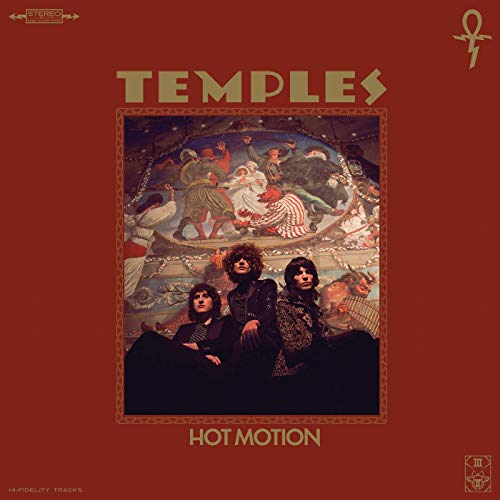
4. “Context” by Temples
We’ll admit, we hadn’t heard of English rockers Temples before “Context”. However, through the inscrutable power of Spotify playlists, we were sent this song on a silver platter, and we are now converts to the cause. On “Context”, Temples present a dreamy, slow-burning sound that lies somewhere between Tame Impala and the Beatles. And as you may expect from that description, the song offers its fair share of mysticism. “Fool, carry the wise / Are you divine?” goes the catchy chorus, before delving into a more mysterious couplet: “Are you afraid of being defined? / When you put it context, it makes sense.” Not sure that it does – but this is definitely a great track, lyrics aside. Temples’ third album, Hot Motion, released earlier this week; be sure to check it out if you liked this song!
3. “Psycho” by slowthai and Denzel Curry
From the first few seconds of the song, it’s easy to see where “Psycho” gets its name. Ghastly squeals clash maddeningly against what seem to be a pulp-horror-movie soundtrack, spurring the listener into palpable chaos – and that’s even before a word is said. Great production meets some knife-sharp verses on this ripper of a track from British rap star slowthai and American rapper Denzel Curry.
Our favorite line on this track, from slowthai’s verse, is a kaleidoscope of emotion: “Spliff is exhaust, I put your friend in the morgue / Olympics, I run with the torch / mum should’ve pressed the abort”. In just one sentence, slowthai veers from braggadocio about a giant spliff (which can be used as an Olympic torch shortly after putting someone to death to boot) to unapologetic self-hatred; it’s either madness or genius, and the line between those blurs quite often. “Psycho” is an exhilarating roller-coaster, and we highly recommend. (Also, if you liked this track, do check out our review of slowthai’s debut album.)
2. “Don’t Call Me Angel” by Ariana Grande, Miley Cyrus and Lana del Rey
Regular readers of Top Five Records are well-aware of our enduring love for saccharine (but immaculately-produced!) pop songs; the likes of Ariana Grande and Marina & the Diamonds have long entranced us. Well, we are unashamed to proclaim our love for this song from the upcoming Charlie’s Angels reboot (which we are sure will be a flop – our love of the saccharine sadly does not extend to the silver screen).
Each of the three superstars on this track excel with a memorable,
iconic verse. The merry-go-round-gone-awry sounds at the outset make way to a characteristically-husky
verse from resident bad-girl Miley Cyrus – say what you will about her, but
girl’s got killer attitude. Ariana Grande churns out an effortlessly powerful
verse. Lana del Rey, in the limelight recently due to a fantastic new album,
brings up the rear with a heady, R&B-tinged section.
The stand-out star on this track, though, is not Ariana nor
Miley nor Lana – it’s the production. The three ladies’ styles and tones are
seamlessly matched, both with each other and against a beat that just slaps. It’s
a great track.
1. “The Runner” Foals
Foals have been blessing us time and time again this year. The Oxford four-piece rock outfit released a fantastic fifth studio album, Everything Not Saved Will Be Lost – Part 1, just months ago (read our review here); and, happily, the second part of the double-album is set to release in October this year. “The Runner” is the first song from the upcoming album – and judging from what we have here, it looks like 2019 is truly Foals’ year.
From the hard-hitting opening riff to lead singer Yannis Philippakis’
ringing vocals, “The Runner” is pure Foals through and through. Like almost all
Foals songs, the song is meticulously arranged – each layer of each section
seem to be exactly where it needs to be. Philippakis’ wandering, emotive chorus
is especially well-placed against solidly-measured drums and guitars.
In our opinion, Foals have been underrated on the global scale their entire career. While they’ve been fairly well-recognized in their native England – thrice-nominated for “Best Album” at the prestigious Mercury Prize awards – it’s a shame that they don’t enjoy the same household-name status everywhere. Hopefully, with the double-wallop of Everything Not Saved Will Be Lost, Foals will make their mark in indelible ink.
And just like that, we’re halfway through 2019. So far, the year has given us some great music already. There have been some fantastic albums from well-established bands (Vampire Weekend, Foals) and break-out debuts from true diamonds-in-the-rough (see: slowthai). Read on for our picks this month – spanning old-school indie rock, beautiful folk-pop, and two of the best tracks all year from the Indian subcontinent.
Read on below for the goods:
5. “No Bullets Spent” by Spoon
As our readers know well, we at Top Five Records are huge fans of Austin-based indie rock veterans Spoon. Their 2017 album, Hot Thoughts, made it onto our year-end list that year, and “No Bullets Spent” perfectly espouses all we love about this band. In spades are the laid-back vibes undeniably sourced from their hometown of Austin, TX; lead singer Britt Daniel’s lackadaisical lyrics; the unmistakably subtle-yet-groovy Spoon chorus; and so much more. “No Bullets Spent” was released to hype up the release of the band’s greatest hits album (Everything Hits at Once) on July 26th. Whether you’re already a Spoon fan or not, we encourage you to check out this track, and of course the greatest-hits compilation when it’s out.
4. “Love Yourself” by Sufjan Stevens
“Love Yourself” is an electronic-tinged slowjam that works in two ways: one, as a plea to your lover to appreciate themselves more (“Love, can you love yourself”); two, as a note-to-self with the same message. Either way, it’s a gorgeous, lushly-produced song that perfectly features Sufjan’s emotive pipes. Sufjan Stevens has enjoyed a recent surge in popularity, in part due to the vital inclusion of a coupleof his songs on Call Me By Your Name, 2017’s sleeper art film hit. With “Love Yourself” – released as part of a four-song Pride Month EP – Sufjan fans both new and old are likely to be more than satisfied. We sure are!
3. “My Baby’s Beak” by the F16s
In the early part of this decade, something magical was
happening in Chennai’s indie music scene. There were suddenly a swathe of very
good, very unique and very closely-knit artists coming out of the southern port
city. Everyone seemed to know each other. Everyone wanted everyone else to
succeed. Everyone came out to each other’s shows. Was there something in the Chennai
water?
Over the years, we’ve spoken to and closelycoveredseveral of these bands, and what we’ve gleaned is the following. The city’s strong musical streak, combined with the centering of the Indian indie music away from Chennai to other metros (Mumbai, Bangalore) and the piteous lack of venues in town, meant that Chennai’s independent musicians had a truly DIY approach to their craft. People practiced in home spaces. Bands shared band members. And there was a strong support system that helped bands thrive and maintain their wholly unique sounds.
One of these bands is the F16s. For many of us at Top Five Records, songs like “Light Bulbs” and “Avalanche” (from 2013’s Kaleidoscope) exemplified the careful balance between restraint and decadence of our millennial existences back in the day. The band’s follow-up album, 2016’s Triggerpunkte, had a few stand-out tracks, but it felt like a stepping stone to the F16s’ next great output: and WKND FRNDS is it.
All four of the songs on this crisp new EP are great, but “My Baby’s Beak” really clicked with us. We can best describe the song as the soundtrack one might choose while writing desperate love letters, from a tropical island, pina colada in hand – in the 1980s. “Oh mama, can you tell me if I made it / My ego gets inflated with you,” croons lead singer Josh Fernandes, complementing the luxurious sounds from the rest of the band. The song’s a true treat for fans eagerly awaiting new F16s music, and for new listeners alike. P.S. If you liked this one, we’ll also take this time to recommend the EP’s eponymous track as a follow-up.
2. “Speedway” by black midi
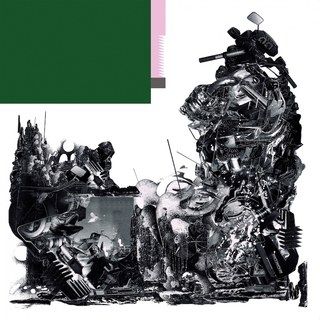
The four young members of black midi met at BRIT School, the UK’s premier music school that has produced legends such as Amy Winehouse and Adele. Centered somewhere between the Foals’ math-rock and Animal Collective’s asymmetric ethos, black midi enthralls with a ridiculously ready-out-of-the-gate sound. Our favorite track off their debut album Schlagenheim is “Speedway” – a pulsing, hypnotic song filled with feverish stops and starts. Slightly nerve-wracking and more than slightly ominous, “Speedway” is testament to what the lads can pull off in a mere three minutes. If you like this song, check out “953” from the same album for some bewilderingly good punk rock.
1. “Floated By” by Peter Cat Recording Co
There is no other way to say this: Peter Cat Recording Co is
one of the best bands to ever come out of the Indian subcontinent. With meticulous
detailing and inimitable style, the Delhi-based gypsy / jazz band has long
excited us here at Top Five Records. The band’s new album, Bismillah,
dropped earlier this month, and suffice it to say, we cannot get enough of it.
Bismillah’s stand-out, in our opinion, is “Floated By”; a song so good that we wrote the rest of this list with it in a firm #1. “Floated By” finds the band in their element – a melancholic wedding band letting loose after a drink too many in hand and an hour too long on stage. (The twist here, as seen in the song’s music video, is that the wedding in question is lead singer Suryakant Sawhney’s own, real nuptials.)
As with most Peter Cat songs, the real star of the song is Sawhney’s powerful voice. In between the wedding-procession drums and slightly off-kilter horns, his voice rings out: true, wistful and imbued with astonishing range. A simple line (“I know that I should / I know that I would”) takes him ages to enunciate, as his voice floats across the vocal spectrum.
Simply put, “Floated By” is one of the best songs we’ve heard
all year. Look for a full review of Bismillah soon – and until then, please
give the album a listen.
When I first discovered Jamie Cullum in the late 2000s, he had already recorded five studio albums, and was playing in jazz festivals around the world. And while he was the kind of musician who brought his grandmother’s carpet to lay out on the stage at Blenheim Palace, he was also full of irreverent energy: stomping his feet on the keys of the piano, slapping his palms all over and underneath it, jumping on top of it and leaping off. His vigour was electrifying, and even deeply moving for a reserved person such as myself.
The Pursuit (2009) marks a neat halfway point between the start of his career and now, and it was in the album that followed in 2013 that I first began to hear creeping hints of self-doubt and insecurity:
As I sit and wait for some answers The questions go round like a kamikaze pilot Enlightenment’s just a romancer I wish it were here burning brightly through the skylight .
Family life seemed to bring a new introspective quality to Cullum’s music. It’s not easy to slow down and take stock, to critically examine the costs and rewards of a glamorous profession in the arts, and to confront the fear of failure.
“Innocence is nice, but the world offers us more and it’s wrong not to take it.” As we grow older, so many of us feel that we have irrevocably lost our access to uninhibited creativity and joy. But the complications of being an adult unlock an unfamiliar kind of happiness, and an emotional depth we could never have imagined in innocence. The chords behind the crescendo of “Drink” conjure up with great accuracy the vertiginous relief and fear that accompany the first sensation of joy after a long unhappiness.
But the cheeky musician we’ve known is still around, and he
announces it in the title of his latest album. Taller marks a milestone
in a twenty-year-long career in jazz music. A bold, effervescent, and
unceasingly fun artist now stands at the sobering brink of his forties; and the
music inspired at this juncture is nothing short of a gift to everyone who has
followed his work over the years.
Jamie Cullum is a small, if dynamic, man, and there has been no dearth of leg-pulling in the tabloids and on the internet about his height, and about his marriage to a substantially taller woman. The fact that he addresses this perceived deficiency head-on indicates that he hasn’t lost his sense of humour, and also that the discontent that has been simmering in the previous two albums will be explored more fully in this one.
“Usher”, the fourth track on the album, is a full-blown sonic party reminiscent in the best way of James Brown and the golden age of Soul. It’s crunchy and granular in a way that is profoundly satisfying (especially if you, like me, have been unable to avoid Trap and American R&B, the slickness of which, though often soothing, can quickly lose your interest). But the lyrics are not quite as cheerful as the music. And it’s a similar story with “You Can’t Hide Away From Love”, another favourite from the album: its lush orchestral arrangement recalls Audrey Hepburn movies, but with menace.
It’ll give you two black eyes And discolour all your skies … It’ll have you on your back And break into your flat … So reel me in Till I’m gasping for air; There’s no love without despair … It’ll shake you to your core And leave you crying on the floor But I’m telling you you can’t hide away from love.
This album examines not only personal demons, but also shared anxieties. Volume 2 of The Eighty-Eight, “an adventurous magazine for the occasional thinker” (or “an occasional magazine for the adventurous thinker”), which Cullum puts together with his friends and family, features a poignant essay about his Indian and Burmese heritage. More than one song on Taller references Brexit, the refugee crisis, British imperialism, and perhaps even the Me Too movement.
Cullum dwells on the unease of living in these times.
There’s a stripped down version of “Mankind” on his YouTube channel
well worth a listen. The irony of this composition is that it combines gospel
music with lyrics that say “so long to sacred,” but there is a refusal to give
up on people and the idea that love will conquer all. As Kristin Scott Thomas’
character in Fleabag puts it, “people are all we’ve got.”
This album is an exploration of fundamentals, and Cullum sings repeatedly of digging and searching deep within the earth. One cannot help but think of Seamus Heaney’s poem Digging, and the hope and doubt it expresses about writing and creative work as activities that productively uncover and reveal. “The Age of Anxiety” quotes WH Auden (“only love is what survives of us”), and imbues the song with its apprehension of mortality.
Age of Anxiety, Live from Craxton Studios
Cullum’s interest literature and great works of poetry (his
favourite writers are Virginia Woolf and Paul Auster) is perhaps what gives his
lyrics their unusual and beguiling quality.
The fact that he has always been an expressive vocalist
only makes this better; and speaking of vocals, “Monster” showcases a falsetto
range we’ve never heard from him before.
Literary inspirations aside, Cullum draws from an eclectic
range of musical sources. For a few years now he has been reverse-engineering
pop music on his YouTube playlist The Song
Society, and curating more
challenging compositions for his program “The Jazz Show”
on BBC Radio 2. It’s fascinating to see these influences coming together to
form an album that sounds — fittingly for a crossover artist — unique, and one
that does not sit comfortably in either the pop or the jazz genre.
The great thing about the songs on this album is that
they’re more than just tunes. Each song develops; it meanders into different
moods and colours and tones. If you were to leave a song midway, you’d probably
miss the best part, and definitely miss the whole story. The album requires,
and rewards, patience. This is the kind of art I find myself most grateful for
these days.
Taller is an invitation to revisit Jamie Cullum’s oeuvre; because the seeds of inventiveness and thoughtfulness were always there. I’ve been rediscovering the deluxe version of Catching Tales, for instance, with its cover of “Everybody Loves The Sunshine”, which is a youthful, groovier expression of “Drink”, the backbone of the new album. I am so excited to dip back in to this amazing body of work. There is no doubt about it: Jamie Cullum is a peerless and towering talent.
Tejas has had quite a journey to get where he is now. He grew up in Dubai and moved to India after high school. Not quite fitting in with the academic environment of college, Tejas found his first calling as a Pune-based RJ, through which he got his first taste of the Indian indie music world. He then went on to release a debut EP, Small Victories, in 2014, and followed it up last year with an LP, Make It Happen – which was notable for an interesting set of reasons. First, it featured the same brand of lively, unpretentious music that put his EP on the map. Second, it came with a great design aesthetic – unique yet perfectly in sync with the music. Third, and most interestingly, it was crowdsourced online and received its funding in a matter of hours.
However, Tejas is more than just his music. He founded and manages Kadak Apple Records, an indie music label from Bombay whose roster features a number of rising stars. Another Tejas Menon venture – this one outside music altogether – is Geek Fruit HQ, a platform to discuss and enjoy all things nerdy.
Read on for our long-form interview with Tejas to find out more about his musical style, crowdfunding his first LP, how he came about founding his other ventures, and much more.
Hi Tejas, how are you?
I’m great, thanks. And thank you for doing this!
No problem! We’ve wanted to speak to you for a while now. So let’s jump right in and start from the beginning. What got you into music, when did you get into music, and what were you listening to when you were growing up?
Well, to start with, I was born in India, but we moved to Dubai when I was around 3 months old. I spent the first 18 years of my life there. I had some few Indian influences growing up – stuff from my parents, like cricket and Bollywood, and from going to an Indian school as well. But most of the time, my time was spent watching movies, reading comic books, consuming a weird amalgamation of Bollywood, Eastern influences, and Western influences.
As soon as I was old enough to discern an affinity to music,
I started discovering pop music – Michael Jackson’s Dangerous, and so on. I also happened to be a good Elvis
impersonator (even now, Elvis is like God to me). My friends were listening to
popular music like Bon Jovi and Linkin Park, and I started listening to a few
other artists on my own, like Madonna. I was a Backstreet Boys fan – still am,
unironically.
Yeah, it’s a very 90s kid thing to be.
Yeah, I was born in ’89 so I’m a through-and-through 90s kid. And then I was a singer in my high school band, drummed for a bit. The first instrument I ever learnt was actually the keys, after my mom bought me a keyboard. But not really a serious approach to music. I finally wrote my first proper song when I was around 18. I got a little more into songwriting after leaving high school and the pressures of the Indian education system behind – I was terrible at academics.
The other thing is, I had a tumultuous childhood – my parents
are separated and it was a tough time growing up. It was difficult for me to
focus on what I wanted to do in life. The kids in my school went on to study
amazing things abroad, but I really didn’t feel that that was for me.
Long story short, I ended up in Pune after high school, living
with my cousins. They sort of raised me a second time for the four or five
years that I stayed with them. I wasn’t sure what I wanted to do, but they made
sure I got a degree at least. So, I went to Wadia College, got a degree in
Economics.
But in that time, I did something really important in my
life. I went for what seemed to be a casual internship at Radio One. I was
there for about three years; learnt a lot from the artists that came in,
polishing my communication skills, and so on. I’ve found a lot more stability
in a work environment than a schooling environment, to be honest. I loved
school as a kid because it was a respite from home, but school ultimately
wasn’t for me.
So there I was at 19, an RJ with my own show, and I really felt like the Mayor of Pune (laughs). All this time, I was writing music at home, sharing it with mostly my friends, but it was really for me and me alone. I didn’t see any point of performing live. But that was because I really didn’t know the options out there for indie artists like me.
I eventually found some artists online, musicians like Gowri Jayakumar, and I was amazed that people were putting up their independent music. I was like, “Why am I not doing that, too?” So I started putting up music online, and went for a few shows.
And then – I don’t know if this was just timing or
serendipity – the first NH7 Weekender happened and they chose Pune for the
venue. I just happened to be the RJ at the radio station promoting the
festival. The first thought when I went to check it out was, “Oh my God. I can totally
do this. I can have a band.” My second thought was, “This is an amazing
feeling, to perform in front of people who wanted to listen to music.” Taking
that cue, I started playing more shows around Pune. This was around 2010 or
2011 – I’m actually coming up on my 10th year of playing music now!
So you’re a veteran of the Indian indie music scene, then. (laughs) Who do you play with when you’re on stage or recording the album?
Well, I’ve gone through a number of lineups. Some of my greatest friends have come from music. Warren from Blackstratblues used to play with us; in fact he produced the first album. Aalok from Something Relevant used to play with me back in the day, too. The core lineup of the band right now is [bassist] Adil Karwa and [drummer] Jehangir Jehangir (JJ). Adil plays with a number of bands here including The Colour Compound and the Koniac Net (who just put out an amazing album, by the way), and JJ is also a studio owner now – he owns Island City Studios, which is right now the place to record in Bombay. In fact, the album that we’re working on right now is the three of us working together. I’ve written the songs but we’re basically co-producing it.
And you recorded together as well for this album?
Yeah, all three of us played and produced it together. They’re like my brothers, basically.
Nice. Yeah, we actually interviewed David from the Koniac Net a while ago, so we’re glad to see that they’re finally getting the support and appreciation they deserve.
Man, that’s so true. Nail on head, really. I’ve been a Koniac fan for a while. It’s like the old-school 90s alternative stuff that I really love. And David is an awesome guy, really puts hard work into the Koniac Net. He’s like a true hustler of yore, you know? (laughs)
Yeah, we’ve been fans for a while too, so we’re really glad to see that they finally broke through with the latest record [They Finally Heard Us].
It’s arguably one of my favorite albums of this year so far, you know? And they’re just a guitar-heavy alternative band, but this one is a deeply immersive and emotional album. Something intimate about it.
Yeah. So we know this is somewhat of a cliched question to ask, but as the songwriter of the act, what comes first for you, the music or the words?
So I listened to this Song Explorer podcast with Wilco a while ago, and the front man was like, “I just sing, and words just come out of my mouth. I trust my own instincts and my body enough, that whatever is coming out of me is what’s relevant to what I want to sing out.” Since then, I kind of work along this philosophy. The essence of the themes come out very naturally. The song I did this most for was “Falling Out” from my last record [2018’s Make It Happen]. The melody and the words came out at the same time while I was playing the guitar. Usually the guitar parts come together first.
I used to try and be clever about writing lyrics. I wanted
to make funny and interesting rhymes, metaphors here and there, and I thought
this was songwriting is: to be cheeky and clever. As I got older, I found it a
little disingenuous to simply try to make a rhyme or to make something fit.
From my first album [2014’s Small Victories
EP] to the second, there’s a big shift in the lyrics, if you notice. It’s a lot
more abstract, a little less narrative, a lot more organic and real. I prefer
this a lot more to what I used to write like. I try to keep it as fluid and as
true as I can.
What was going through your head when you put together the songs on Make It Happen?
Well, my first record was as indie as it gets – arranged in three days, recorded in three days, mixed in four days, and then it was out. There was no room for experimentation, but that was how Warren and I intended for it to be. For Make It Happen, I really wanted a great, sprawling record with big sounds and big ideas. I wanted to be indulgent and create something that I was really proud of.
Two threads across the album are my vocals and the theme (centered
on my late 20s). I took every song individually rather than as an entire album
together. People may complain that some songs stick out or don’t fit in, but I
felt that this was a representation of my entire life. Nobody is just one thing,
and I hate being slotted into “Oh, this is a pop record, oh, this is that sort
of vibe”, so I liked the idea that it’s really dynamic. I wanted people to feel
positive, but also feel the depth and range of things I had to offer.
Everything was so important to me, from the design to the track listing, and
I’m really proud of what we put out.
But that being said, I’m proud of my first album, too.
That’s who I was then. Maybe it’s not true right now, but that’s exactly what I
wanted at that point. It’s a snapshot of who I was then.
We’re glad you brought up the design on your album. We really loved the color palette and the visuals on Make It Happen with the little Adventure Time type of cartoons, and so on. How did you come up with the aesthetic? Did you design it yourself?
Tejas: Well, I am a very poor designer, so it wasn’t me (laughs). After my first album, I felt that the design didn’t say that much about me visually. So I went and spoke to Neysa Mendes (@goodslice), who’s been really instrumental in a bunch of albums from the indie scene. She said, “Tejas, you have to close your eyes, and think about what you want people to visualize when they say your name.” After that, I spent a good amount of time thinking about the visuals and imagery that I wanted to project.
I then took the aid of Studio Kohl, and an amazing designer and conceptual artist called Mira Malhotra. I told Mira and the team that I wanted it to be representative of who I am – I love animation, cartoons, bright colors. I literally still watch cartoons and I’m turning 30 this year (laughs). And I love Adventure Time, as you pointed out, with its mythology and bizarreness. I wanted to create this universe of my own, with every track having its own single art, and all those pieces put together form the back art of the album.
We wanted to talk to you about another interesting aspect of the album, which is that you crowdfunded it online, and you raised the money you needed in a matter of hours! Talk us through how that happened, and why you chose that route.
Yeah, it was amazing. I had no idea it was going to happen in literally six hours! My friends put in good amounts, but there were so many folks I didn’t expect. I got Rs. 50,000 from a high school that I hadn’t spoken to in literally ten years. It was an incredible and humbling experience, to be honest.
As for the why. Sometimes, I feel that the independent music
scene in India is a rich person’s sport, you know? You need a benefactor’s help,
whether it’s your folks or your own savings, and so on. I’m on my own, with
some help from friends, so it’s an expensive affair. This helped a lot.
Also, the theme of Make
It Happen is basically about taking the right decisions to improve your
life. I have been a product of everybody’s goodwill – so thematically,
contextually, it made sense to fund the album this way. It got everyone
involved, and excited to hear more from me. Turned out great!
The other aspect of this was, I knew I had to work on the
marketing and promotion of the album anyway. The music industry right now is
set up in such a way that there’s not much money coming in from sales or from
streaming. Really, the money is coming from performances – everything you do as
a musician is only to promote your gig. Even your album! Think about it that
way, and you realize you have to spend a lot of marketing money. I’m from an
advertising background, so I get this. It’s not enough to be a talented
musician anymore. So this was a unique way to promote the album, too.
Yeah, for sure. Switching gears a bit, we wanted to ask you about your record label, Kadak Apple Records. We ourselves are named after a record label, so this is a particularly interesting aspect for us!
Well, I was releasing my album independently, and I wanted it come from someplace legitimate. In any creative industry, people take you more seriously when you’re coming from a legitimate source. I started Kadak Apple with my good friend and part-time manager, Krish Makhija. We wanted songwriters to be taken more seriously. There’s nothing wrong with playing three-hour brunches, but we felt songwriters in this town had more to offer.
Sometimes [before starting the label], I would get calls saying, “Hey, we want you to play at so-and-so but we can’t afford to pay you that much” – but I felt I deserved it. After I set up the label, I’d ask them, “Why don’t you get in touch with my record label”, and they’d send an email – and I’d respond to the email myself (laughs) but I’d get the gig or the deal this time.
You were just playing the game, basically.
100%. It’s a perception thing; it’s advertising. Right now, Kadak Apple has about nine songwriters on the roster, and I legitimately think that these are some of the best songwriters in the country. But beyond talent, they are mostly there because they are my friends, you know?
Kadak Apple is more of a collective than a label, really. I
facilitate opportunities, coordinate artist availabilities with gig requests,
coordinate media requests, provide industry contacts – whatever I can offer
from my knowledge. I don’t believe in a trade-secret kind of environment. The
Indian indie music industry is so small that it’s in my interest right now for
everyone to have a No. 1 record. I want to give people a choice of different
genres and artists to hear. We need more people to be part of the scene. Eventually,
we’ll get to a more commercialized industry. So that was the intention behind
Kadak Apple.
As for the name – Krish believes in the whole kadak
philosophy. He’s a cinematographer, so he believes the kadak kind of shots.
Kadak chai, and so on. And Apple because of Apple Records and the Beatles.
Cool, that’s a fun back story! So switching gears one more time to yet another thing you’re part of – Geek Fruit. Can you tell us a little bit about that?
Geek Fruit is something I started after I quit my job in 2015. I was working crazy hours in advertising, with three hours of travel every day and so on. After I quit, I had a lot of free time. I tried to focus on what could keep me occupied in the time that I didn’t want to do music. And I say that because I don’t really consider myself to be a musician’s musician. I think I’m good at it, and that the craft of songwriting has come to me, but I don’t feel very “artist-y” about the way I approach music. Sometimes, when I hang out with musicians, I still feel that imposter syndrome really hard.
But when it comes to movies, and watching them and talking
about them – that’s something I’ve been involved with far longer than I have
been with music. I’ve had opinions about movies forever, I love Marvel Comics,
DC, Star Wars, so on. And I really feel that the nerds won, you know? When I
was a kid and trying to talk about kyber crystals in a Jedi’s lightsaber, no
one cared. But now, everyone cares! The biggest TV show, the biggest movies –
they’re all from nerd culture now.
I wanted to start something where we can review stuff, do
podcasts, make content – this is something I genuinely love. I can say I love
it even more than I love music, in some ways. The ability to create is amazing,
but the ability to consume, and discuss, is fantastic. So I created Geek Fruit
with two friends from Kadak Apple – Jishnu Guha and Dinkar Dwivedi. We’ve been
doing podcasts for three years now, with 250+ episodes out – two episodes per
week, every week. I’m happy to say we have a humble but dedicated following
that come for our events and parties now.
Last year, for Halloween, we had a party called Super
Scary Awesome. We did a Disney tribute at the end with our entire band and
lots of Kadak Apple people. Everyone dressed up as weird characters. It was one
of my proudest moments because it was just so unique.
This has been amazing; thank you, Tejas. We wanted to wrap up with a few Rapid Fire questions, if you’re up for it?
Sure, go for it!
Since you mentioned Marvel, and that’s so big in pop culture right now – who’s your favorite Marvel character (from the comics or the movies) and what’s your favorite movie from the MCU?
I was a big Spiderman fan as a kid; Peter Parker and I go way back. So that’s my favorite. I also love some of the fringe characters: Iron Fist, Daredevil, Moon Girl, so on. Out of all the movies, it’s hard for me to not say [Avengers:] Endgame because they stuck the landing to a very difficult project. I also love [Captain America:] Civil War and [Captain America:] TheWinter Soldier.
The other big pop culture phenomenon right now is Game of Thrones – what did you think of the finale?
I have complicated thoughts on it. I’m not going around petitioning that they should remake the show (laughs), but it’s hard to not point out the glaring issues. So yeah, I was disappointed.
People our age are a lot more clued because of things like
Reddit. They know why they like or dislike something. This entire season was a
disappointment and there were huge pacing issues. There was also the overall
question of why they shortened it to six episodes, too. The moment the Night
King died, I kind of checked out. You shouldn’t be able to kill him in a
physical combat. Why is Jon alive? What was the point of Bran’s whole story? We
haven’t gotten the answers to all of these questions.
And if you had to pick a TV show where you loved it from start to finish, what would it be?
I don’t think there is a perfect show, but I think Adventure Time comes pretty close. Apart from that, I love Gilmore Girls, House, Breaking Bad (obviously). 30 Rock is up there, too.
What’s your favorite gig so far?
We played one gig recently in Humming Tree that was really great. We took some risk by taking 100% of the gate, so we had to make the sales on whoever’s actually showed up. We wanted to try out the format. About 120 people or so showed up, and we sold a lot of merch, had posters made, and so on. It was great.
I also really enjoy going to places that don’t get a lot of
live music. I went on a tour last year to the North East with Mali, and those
were some of the best gigs I’ve done. Playing to different audiences that we’ve
never played to before, and having our songs sung back at us – it was amazing.
Who’s one Indian artist that you’d love to collaborate with at some point?
I think Meba Ofilia is amazing. Young, new, R&B / soul kind of singer-songwriter. Chayan [Adhikari] from Advaita. Aditya Ashok from Ox7gen would be next on my list, too.
All images courtesy the artist. Check out Tejas’ website here for more information about him and where to listen to his music.














 Top Five Records