Fontaines D.C. are a punk band from Dublin, Ireland, whose five members met over a common love for Irish poets. On their debut album, Dogrel, every piece of that one-sentence biography rings loud, clear and omnipresent.
Dogrel does for Dublin what the Arctic Monkeys’ debut did for Sheffield: pulling back the curtain for a laddish, working-class look at a beloved hometown. Run through Dogrel from top to bottom, and you almost feel as though you’re right there in Dublin with the boys.
There are so many great elements to the album that it’s frankly unbelievable to think that this is a debut. The most striking element is, of course, the high-energy instruments. Fontaines D.C. never take more than a few seconds to catch the listener’s attention, whether it’s the driving riffs on “Sha Sha Sha” or the wall-of-bass on “Hurricane Laughter”.
Another stand-out element is singer Grian Chatten’s vocals, blaring out blustering one-liners (“My childhood was small / Oh, but I’m gonna be big!”) in an unmistakable, irreverent and totally unapologetic Irish accent. In many songs, it’s this phrasing itself that takes center-stage. “If you’re a Rock Star, Porn Star, Superstar / Doesn’t matter what you are, get yourself a good car, get outta here,” Chatten proclaims on “Boys in the Better Land” – every word pronounced more authentically Irish than anything you’ve ever heard.
And of course, there’s the matter of the lyrics themselves – slice-of-life, working-class beat poetry about Dublin life. On “Liberty Belle”: “You know I love that violence that you get around here / That kind of ready-steady violence, that violent ‘How do you do?’”. On “Too Real”: “The winter evening settles down, the bruised and beat up open sky, six o’clock / The city in its final dress, and now a gusty shower wraps the grimy scraps”. With Dogrel, the lads tip their hats to Yeats, Joyce et al in talking about their city – all set to cheeky punk rock. (Unsurprisingly, the album takes its name from doggerel, a jagged style of spoken-word poetry.)
Finally – and this is the most impressive one – the greatest part of Dogrel is that it is chock-full of hits from top to bottom. There are honestly decades-old bands that haven’t mastered the ability to combine authenticity, killer tunes and timeless lyrics into one package, and Fontaines D.C. did it on their first try.
Dogrel is perhaps the best debut of the year, and we highly recommend you give it a listen.
Best tracks: “Big”, “Boys in the Better Land”, “Sha Sha Sha”
This album is not shy about its strengths. Right from the strong but sincere “Sinners Prayer” and its bluesy groove, you know that you’re getting into something good. By the time you get into the Prince-like “The World Is Drunk” and excellent neo-R&B of “Something Keeps Calling”, there’s no doubt left.
It finishes with fully the same strength. “Glory To The Veins” is the standout track with a dark, pulsating beat and Saadiq shows expert restraint with his voice here. For all of that though, it just grooves. “Rikers Island” moves well and the redux adds some needed profundity in an album which, while very heartfelt, is not quite original in its lyrics.
However, the album itself is just a little muddied. There are great moments in there, like the chorus of “Something Keeps Calling” or the little bit of playful piano in “Glory To The Veins”, but the whole fades a little easily, a fault exacerbated by the weak middle.
It’s still no doubt a very good, if not quite great, album. There are faults, but if you’re looking to see present-day R&B at its best, this is where you should start.
In a world dominated by global pop sensations (see: Ariana Grande, K-pop), it can often seem like rock and roll is about to doze off at the wheel. Sure, you have the occasional saviors, like Royal Blood or the more derivative Greta van Fleet, but there aren’t too many active and prolific rock and roll artists today.
Except, of course, for the Black Keys.
The Black Keys, comprising of Dan Auerbach on guitar / vocals and Patrick Carney on drums, is as lean and mean as they come. Their songs are – and have always been – loud, effortless, rollicking, and whatever-is-the-opposite-of-pretentious. They are, simply put, a good time through and through.
What’s more, this sound has largely been dependable over the band’s extensive history. The band’s first five albums – The Big Come Up (2002), thickfreakness (2003), Rubber Factory (2004), Magic Potion (2006) and Attack & Release (2008) – were released in quick succession and to moderate fanfare. But it was soon after that they really started to take off. Brothers (2010) and El Camino (2011) would top the charts of any best-of-decade blues rock albums, spawning still-ubiquitous hits such as “Tighten Up”, “Howlin’ for You” and “Lonely Boy”. While Turn Blue (2014) could be considered a slight step down, it was still a great rock album – and that’s our point. There are few, if any, other artists today with such a long-standing, consistent and beloved rock discography.
And all that back-story brings us to the ninth Black Key album “Let’s Rock!” (2019). Coming after a scary five-year gap (“Will they ever get back together?” wondered fans everywhere), the album is sturdy, no-nonsense and catchy as all hell.
It’s also, reliably, packed to the brim with top-notch bluesy hits. “Shine a Little Light” opens the album with about twenty seconds of anticipation, before kicking into high gear with a hard-hitting riff. By the time Auerbach gets to the swashbuckling chorus (“If evil lays its hands on me, shine a little light on my soul / Show me things I cannot see, shine a little light on my soul”), you know what you’re getting for the rest of the album – good old-fashioned rock and roll fun.
And it’s pretty much non-stop from there. “Eagle Birds” is bluesy perfection, equally appropriate for an exuberant road-trip or a raucous dance party. “Lo / Hi” could, and probably will, soundtrack an advertisement for a Cadillac, or a leather jacket, or a motorcycle (or maybe all of those things) – pure swagger and confidence from head to toe. “Go” is an instant rock classic, with a single-word chorus (yep, the word is “go”) that perhaps no other band could really pull off.
In between these hard-rock hits, a few songs provide some welcome contrast. “Walk Across the Water” features gentler vocals with laidback, Hendrix-like riffs – a catch of breath in the otherwise relentless first half. “Sit Around and Miss You” is rockabilly meets Revolver-era Beatles, with warm riffs, old-timey “oohs” and “aahs”, and simple-as-they-get vocals.
Bottom line: “Let’s Rock” is straightforward, old-fashioned, and just plain fun. If you’re looking for something deep or ground-breaking, you’d best look elsewhere. If not – you’re in the right place.
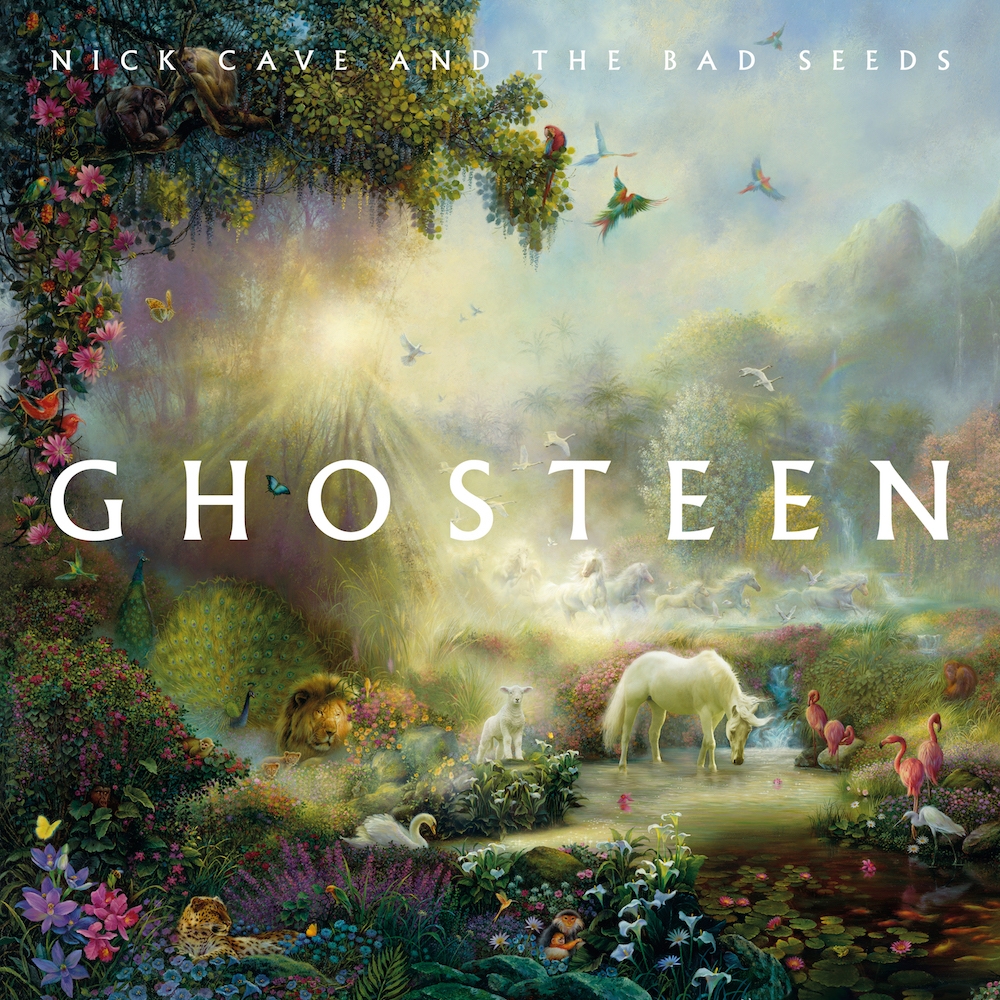
It’s immediately apparent that this is the album after the death of Nick Cave’s son. The melancholy is beautiful and everywhere. It’s much more of an ambient album than is standard for him and, if anything, benefits from the move outside. It does however also suffer a little from what becomes a slightly unvarying sound as a result though.
However, the grief comes through poignantly throughout. In particular, the retelling of the Buddhist parable of the house that knows no death in “Hollywood” is heart-rending. It’s a touching, beautiful album and one that you will not leave unmoved.
Before we swing into the final month of the year – and the decade! – we wanted to do a quick review of a few songs that made our November. Read on below:
5. “Kiss Like the Sun” by Jake Bugg
Jake Bugg has been our radar for about the last seven years, when we covered his fantastic, eponymous debut album. Even back then, the young (1994-born) singer-songwriter had a unique sound, evocative of the good old days (think Bob Dylan) but often ratcheted up to a modern-day streetwise setting (a la the Arctic Monkeys’ debut).
His sparkly debut, unfortunately, was followed by a rather middling series of three albums, with the last being released in 2017. Happily, though, it looks like Jake is making a foray back into music. On the new track “Kiss Like the Sun”, the Nottingham lad taps into a sort of amalgamation of the jangly tunes of a Feist track, and the rollicking bluesy good times of the Black Keys. We loved it, and hope there’s more to come.
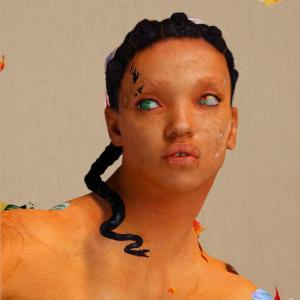
4. “holy terrain” by FKA twigs
“holy terrain” is, in our opinion, the stand-out track from FKA twigs’ overall brilliant album from this month, MAGDALENE. Over a glitchy trap beat, twigs’ airy voice seems to speak of a soon-to-be love-hate relationship in its tumultuous early days. “Will you still be there for me once I’m yours to obtain? / Once my fruits are for taking and you flow through my veins?” she asks, hitting about ten emotions and twenty notes on the way. Her lover, here played by rapper Future, doesn’t have a great answer: “Throw loads of gold on you just to fall asleep, yeah / I hope you never take my love, yeah, in vain, yeah,” he answers, putting materialism and love in doomed equal footing. Ouch – good luck, folks. If you loved this track, be sure to check out our full review of MAGDALENE.
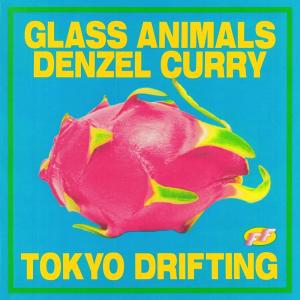
3. “Tokyo Drifting (with Denzel Curry)” by Glass Animals
Florida rapper Denzel Curry seems to be having a Brit-heavy collab year. After a joint track with British rap’s reigning king slowthai earlier this year, Curry has a notable stint on “Tokyo Drift” by British act Glass Animals.
For those who are new to Glass Animals, the four piece creates essentially a genre-bending musical mix of pop, R&B, trip hop, and everything in the middle – think Mazzy Star meets Portugal the Man over woozy electronic beats. On “Tokyo Drifting”, the dizzy trap beats and disorienting lyrics do indeed bring to mind a fast, nighttime drive through the glittering streets of Tokyo. And the best part, honestly, is Curry’s fast-and-furious verse right in the middle.
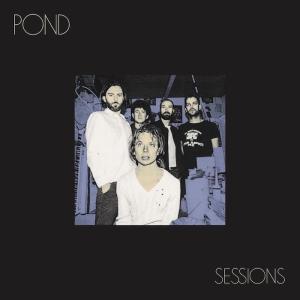
2. “Don’t Look at the Sun (Or You’ll Go Blind)” by Pond
So we’re cheating a little bit here: “Don’t Look at the Sun (Or You’ll Go Blind)” by Perth-based psych rockers is technically a song from their debut, Psychedelic Mango, way back in 2009. However, the song was rerecorded and released as a single on their Sessions live album from earlier this month, so we are considering it fair play.
With the heady reverb and thick basslines, “Don’t Look at the Sun” right from the outset sounds a lot like Tame Impala. We know we make that comparison that a lot – Tame is a solid reference point for lots of new music – but in Pond’s case, the comparison is not accidental. Pond and Tame Impala enjoy a revolving door of Perth-based musicians that play pretty much across both bands, including Kevin Parker himself, who used to drum for Pond. Basically, it’s no accident that “Don’t Look at the Sun”, with its groovy breaks and Doppler-effect vocals, feels like it would fit right in on Lonerism.
If you liked this song, we highly recommend you check out Pond’s 2019 album Tasmania – the eighth (!) full-length album from the good folks Down Under.
1. “Arabesque” by Coldplay
Like the Pond song earlier, this one is a little bit of a cheat too. As our avid readers would no doubt recall, we mentioned “Arabesque” as the paired single with “Orphans” in last month’s Playlist. However, since both songs feature on the band’s new album Everyday Life, out on November 22nd, we are once again considering this fair play.
Everyday Life overall is imbued with the mystique, romanticism and inimitable beauty of the Mediterranean-meets-Middle-East – the broad swathe of countries across the culturally complex top half of Africa. In fact, the essence can be summed up precisely by the name of this very song, “Arabesque” – a little Arabic, a little French, and many other things too.
On “Arabesque”, Chris Martin and the lads do justice to this complexity with a jazzy, bilingual track that elicits a Casablancan air of exotic joie de vivre. The lyrics themselves are not complex: “I could be you, you could be me / Two raindrops in the same sea,” sings Martin across English and French, perhaps speaking to the ultimate commonality in the basic human experience. But it’s the delivery – the band at their liveliest and most exuberant – that really makes the song for us. The best way to experience this song is through its accompanying live music video (which, in fact, was released this month, so I suppose we get points for that?):
Earl Sweatshirt has built a solid pocket of rap for himself. He makes muddy, complex, punishing rap in a way that no one else even really attempts. FEET OF CLAY however may have taken it too far.
His muttered, submerged raps are as awe-inspiring as ever. He puts together sounds and words in a way that’s simultaneously muddy and evocative, like scrying in a swamp. It’s singular and cohesive and often somewhat punishing as a result. He has such complex bars with lyricism as unique as it is skilled.
The punishment was always sort of the point, but this is the one where it feels a little unjustified. The album is just too dense and lacks the reward of a “Chum” or a “Grief” to really pay off the effort. If you’re an Earl Sweatshirt fan, then you already know that you should give this album a couple of spins, but if not, this is not the place to jump in.
In May of this year, indie pop-rock mainstays Vampire Weekend released their fourth full-length album, Father of the Bride. We are aware, yes, that we are a little late with this review; but with the end of the year coming up fast, we thought it best to close the loop on some albums that we haven’t gotten around to reviewing just yet.
Vampire Weekend burst onto the scene, almost literally, with a sparkling, eponymous debut album about a decade ago. Their sound was a mystifying mix of mainstream and hipster – think clean-cut prep school kid with surprisingly deep life experiences. That first album had songs like “Oxford Comma”, literally devoted to a grammatical element (but a hipster one!), and “Cape Cod Kwassa Kwassa”, a juxtaposition of idyllic New England summers and Congolese dance.
The next two albums, Contra (2010) and Modern Vampires of the City (2013), had a similarly well-traveled mishmash of sights and sounds, with hits like “Horchata” and “Diane Young”. Although their sound was a little more grown-up, the essence remained intact. Things are now different, though, with the departure of one Rostam Batmanglij.
Vampire Weekend, in its original iteration, was a four-piece consisting of vocalist / guitarist Ezra Koenig, guitarist Batmanglij, bassist Chris Baio, and drummer Chris Tomson. Koenig and Batmanglij had a great song-writing partnership. Batmanglij’s wildly creative, global influences provided, in our minds, the X-factor to the band’s otherwise tidy sound. In January 2016, Batmanglij left the band to pursue solo projects – and this is the first Vampire Weekend album without him.
Vampire Weekend without Batmanglij essentially becomes an
Ezra Koenig project. That’s not necessarily always a bad thing. For one, Koenig’s
ability to write a great indie pop song is perhaps unrivalled today. Also,
Koenig now has a celebrity status (see: has a child with girlfriend Rashida
Jones, has a Netflix series and an Apple Music radio show) that allows
him to pull together a galaxy of musical guests onto the project. The end
result, however, is pleasant, charming, polite – and ultimately a bore.
Our readers may be surprised by this assessment; we have, over the past year, done our fair share of gushing over the album’s singles (see here and here). When all the pieces are put together, however, Father of the Bride paints a different picture. It’s the soundtrack to your child’s pastel-themed second-birthday-party. It’s the backdrop to the flowery end of a romcom. It is the sound of entering your mid-thirties considerably less cool than you were in your twenties – albeit armed with a sensible savings account and a postcard-perfect house.
Father of the Bride is packed with fantastic, beautiful songs that deserve to be heard. There are some truly beautiful riffs on here, from the bright “Sunflower” to the deft “Harmony Hall” . Danielle Haim of HAIM joins Koenig for three pretty duets, most notably on the folksy opener “Hold You Now”. It’s a great album – just don’t expect the old Vampire Weekend.
Best songs: “Harmony Hall”, “Sunflower”, “This Life”
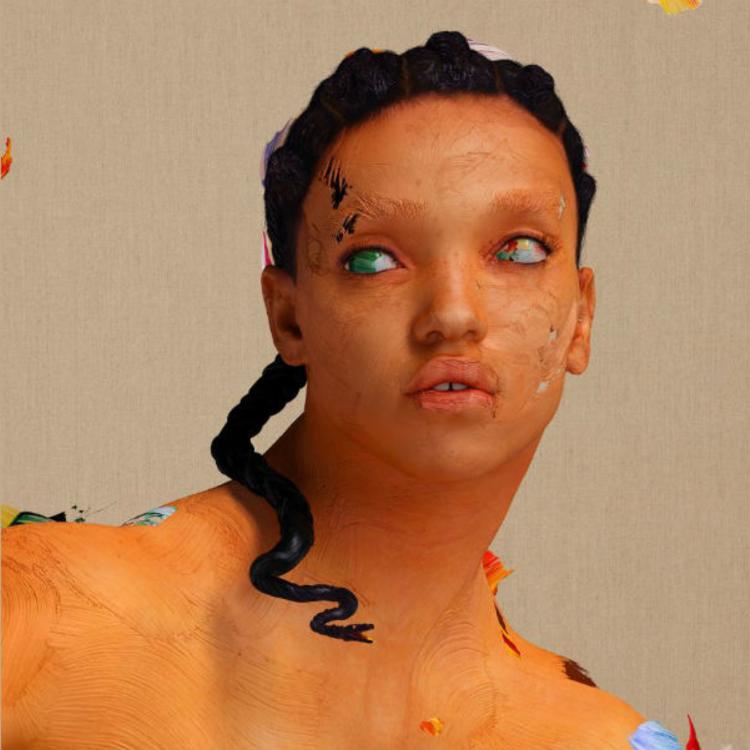
FKA Twigs has long made some of the most interesting pop out there, but MAGDALENE is a full step above her earlier work. It’s easily her best album to date and one of the best albums of the year. She’s sharper, she’s more cohesive and this album just bangs.
There are the obvious parts, “holy terrain” works very well with the Future feature. The trap beat plays nicely against her voice and Future is perfectly understated. The heart of the album is in the thousands of little moments. There’s a beautiful vocal fragment to end “mary magdalene” and the pulsations of “fallen alien” are consuming and intense.
The album even works in the much slower “mirrored heart” and it fits expertly. The feedback in it adds a surprising heft and her lyrics are cutting. Coming as this album did, after a major break-up and a major surgery, it could have easily been a sledgehammer of an album, but her restraint makes the moments that reference the turmoil all the more powerful. Her finesse here is astonishing.
There are a few missteps in “home with you” and “daybed”, which just don’t do enough, but there is much more of note, like the beautiful and clever “sad day”. This is an album from an absurdly talented artist at the height of her powers and an album you don’t want to miss.
It’s a given now that a new Kanye album is going to be something of a production. Albums are promised and due dates come and go and you’re never sure what you will get until it comes. With Jesus Is King, what you get is a lot of truly excellent music and one of the more interesting albums that Kanye has ever made.
Coming in, I thought it would be a full gospel album. I expected “Ultralight Beam” extended into a complete album. Instead, although there is a very substantial gospel theme, the album as a whole is surprisingly diverse. There’s a heavy religious bent and the album is very cohesive, but my concerns about monotony proved entirely unfounded.
The album opens with a straight gospel track though, performed by the Sunday Service Choir that Kanye has toured with of late. It’s a good choir and a good way to open the album. It functions as a statement of purpose and a way for the listener to enter the mindset that the album asks for. It’s ablutionary.
It’s followed with “Selah,” which opens with Kanye rapping, but the centerpiece of the song is that same choir. Kanye has a couple of good lines (I like his biblical double-entendres), but the song is completely overpowered by the choir. It’s weapons-grade material to put into any song and it animates the song to such an extent that Kanye’s rapping after it feels completely subsumed by the echoes of that choral work. It makes for a powerful effect and one of the strongest songs of the album, but I feel that there’s space there for a better melding.
From there though, we go into “Follow God,” which really showcases Kanye’s ability as a rapper. In this and in “Hands On,” you can see technical rapping in a way that it feels that the earlier Kanye was just not capable of. He teases the chorus a couple of times in the middle of the song just to bull through it without taking a full breath and it’s dazzling. Even more interesting though is the center of the song, Kanye fighting with his father just to be told that it’s not Christ-like. The reality of spirituality is that it will be tested, and this struggle is one writ especially large with Kanye’s turn to God here. Kanye is famous for his emotionality, for his quickness to react, for his inability to think before he acts, and to see him address the struggle is valuable as it’s rare to see someone be honest and personal about how difficult it can be.
“Closed On Sunday” has a bit of the same. The Sabbath is a sacrifice as much as a respite and you can see the intent behind referencing Chick-fil-A’s decision to stay closed on Sunday out of respect for their faith. The production is sober and quiet and Kanye’s rapping is muted through most of it, which gives the music a heft that plays well with the theme and the wariness of the first verse, which then translates well into the second, often-shouted verse.
The Chick-fil-A association still leaves gristle in the teeth though. The company is far more famous for homophobia than for Sundays and to not only repeatedly reference them, but to end the song with a screamed invocation is overtly provocative. You have to expect that with Kanye, it is what he does, it gets the people going, but nevertheless I would have really liked it if he had backed it up a little. He explains “I Thought About Killing You” over the course of the song and that is why that piece is so strong, but here he simply provokes and runs, and it feels less than it should as a result.
The middle is a bit forgettable. It’s reminiscent of some of the more forgettable parts of TLoP to me, but I actually really like “God Is.” It’s just earnest and that’s nice to see. Earnestness is another of those things that’s critical to any understanding of religion, but it’s also one that people are often reluctant to center a song on just because of how uncomplicated it is. Uncomplicated is not the same as inferior though, and I like to see something straightforward every now and again.
For all of that though, “Hands On” calls out the Christians. It’s a necessary part of an album like this, it’s a good reminder that the struggle for spirituality is personal and not just subsuming yourself into a crowd. As above though, it’s also got strong rap from Kanye. His change of pace here is very clean. Again, it’s just nice to see how much Kanye has developed as a rapper. It was never his strongest suit, but his ability now unlocks a lot of musical space.
“Use This Gospel” helps close out the album well. Clipse are acceptable on it, but Kanye is great and bringing in Kenny G for a moment is very unexpected, but remarkably well done. It’s exactly the perfect sax interlude. The actual closer, “Jesus Is Lord” finishes right as it gets started, but that works well. It’s uplifting and beautiful and ends on exactly the right note.
Jesus Is King is not a masterpiece like MBDTF or Graduation and not as groundbreaking as 808s & Heartbreak or Yeezus, but this is possibly the most unique album that Kanye has ever made. I’ve never experienced anything that has quite the same thing to say about religion or Christianity. It’s sincere and honest in the way that only Kanye can be and the result is as personal as a fingerprint. It’s very good music and there’s plenty here to provoke thought, no matter what Kanye himself may have intended to say. It’s not without flaws, but it’s also just excellent music and it’s the album this year that I’m most glad to have heard.
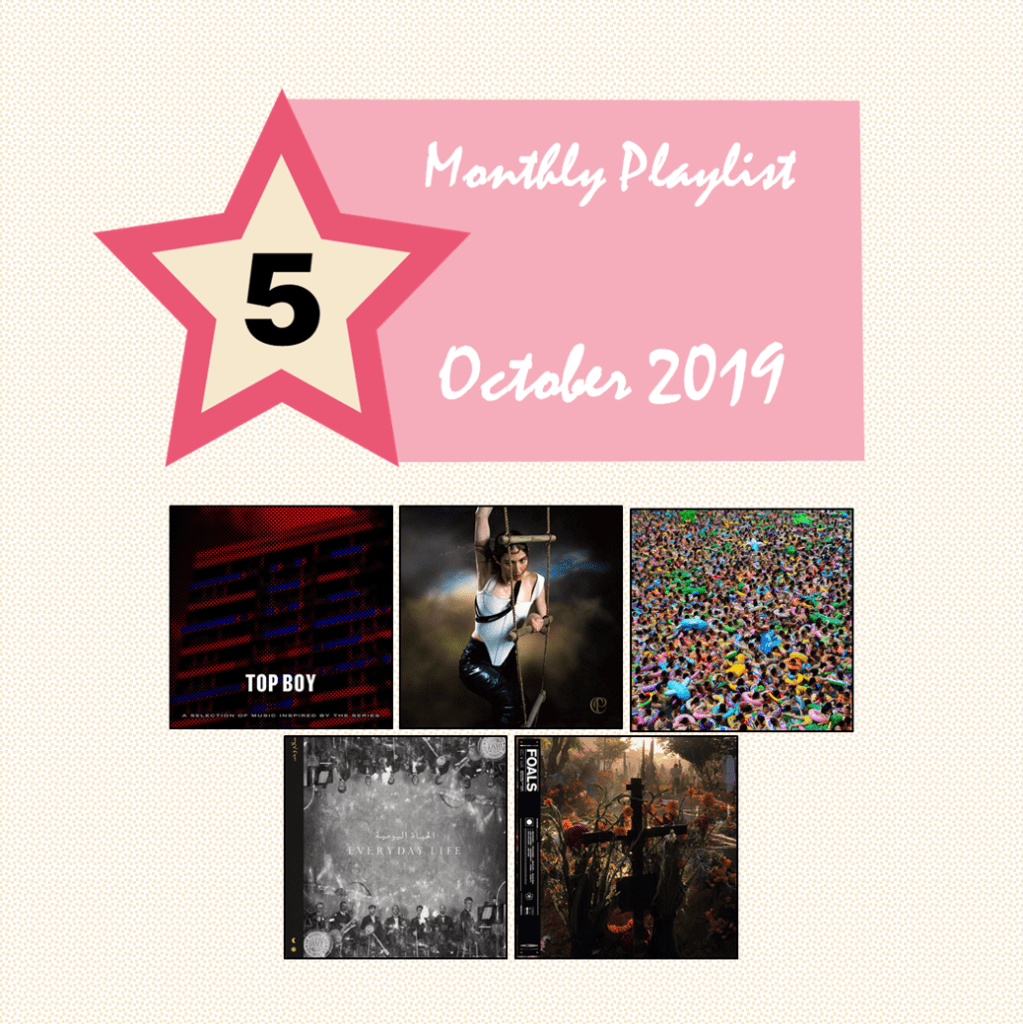
We are back with another edition of our Monthly Playlist. Read on for a list of five songs that caught our fancy this month, from old favorites to newer entries.
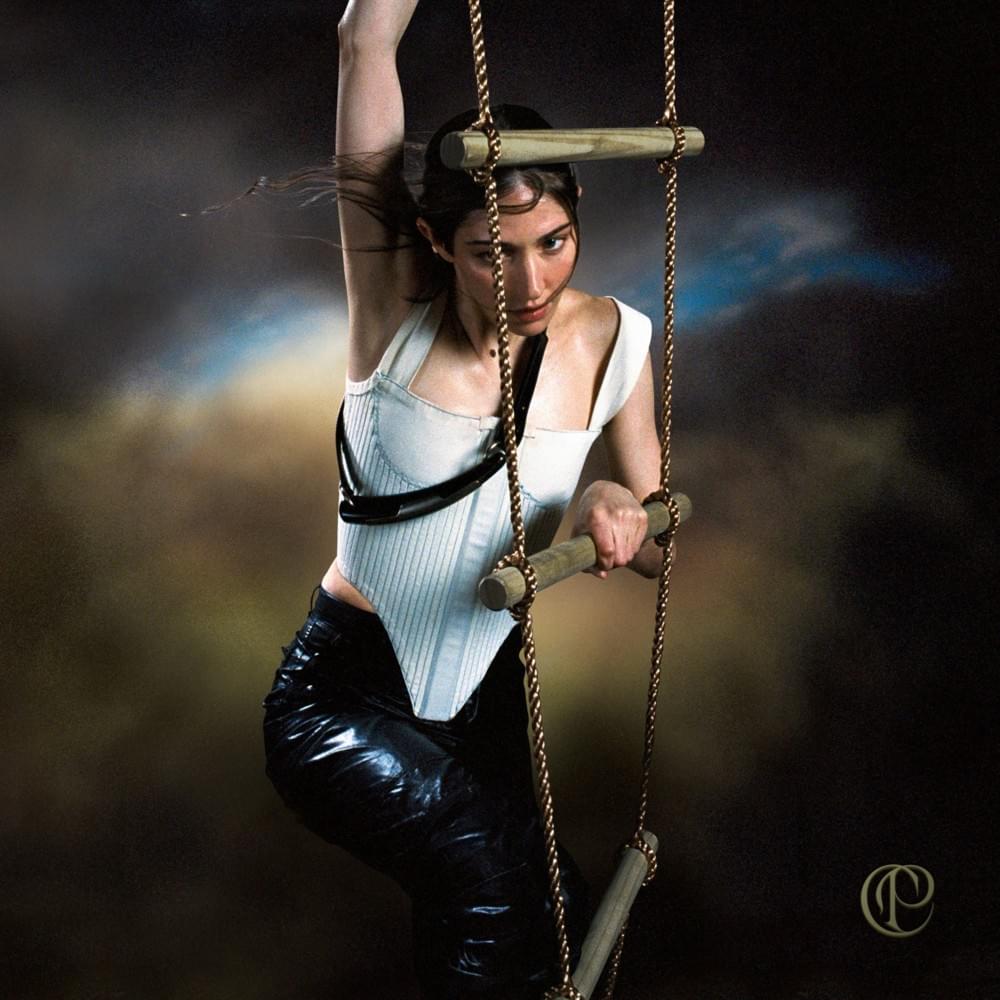
5. “Hit Me Where It Hurts” by Caroline Polachek
Caroline Polachek is one half of Chairlift, an erstwhile two-piece synth pop from the early 00s. They toured with the decade’s darlings – the likes of Phoenix and The Killers – but ultimately called it quits. And just as well, because Polachek’s own music stands out more than most of the stuff she made with her band.
From her new album Pang, “Hit Me Where It Hurts” is somewhat of a modern pop classic. It boasts all the key elements of any pop song worth its salt – a hurtful yet magnetic relationship, occasionally sultry vocals and so on – but Caroline’s synth pop history gives the tune an unusual edge. The best part of the song is the hypnotic opening couplet – “I’m feeling like a butterfly trapped inside a plane / Maybe there’s something going on, I’m not insane” – and she takes a good call in peppering it throughout the song. “Hit Me Where It Hurts” may underscore the vulnerability of loneliness, but it looks like Polachek is doing just fine on her own.
4. “Professor X” by Dave
UK rapper Dave is having a really good year. In March, he released his debut album Psychodrama, a sharp, autobiographical look at growing up black and poor in the United Kingdom. A mere six months later, Psychodrama won the Mercury Prize, the biggest music award a British artist could receive. Like his compatriot slowthai, whose debut album was also nominated for the prize, Dave captures the zeitgeist of the UK today: rifted and divided in every sphere of life.
“Professor X”, his first song since the Mercury Prize win, is part of the soundtrack for Top Boy, a grungy UK Netflix show where Dave incidentally made his acting debut this year (we told you he was having a good year). It’s as sharp as anything on Psychodrama, and his flow meshes perfectly with the layered beats. If you need an intro to Dave, this song is probably it.
3. “Dexter & Sinister” by Elbow
To say Elbow is underrated would be an understatement. The English rockers have been around for quite a while. Over their two-decade-plus career, they’ve won prestigious awards like the Mercury Prize (for 2008’s TheSeldom Seen King) and Best British Group (2009’s Brit Awards). They’ve even soundtracked their home country’s Olympics in 2012. Yet they are hardly a household name, at least outside of the UK.
Therefore, we consider it our obligation to showcase “Dexter & Sinister”, the opening track from their eighth (!) studio album, Giants of All Sizes. A heavy bass-and-drums riff leads into heady, vaguely apocalyptic vocals. About halfway through, the song suddenly takes a dreamy, melancholic turn – complete with elven female vocals – before segueing into a meditative guitar outro. These twists may seem abrupt on paper, but the high production value makes them seamless.
The fine print to the song’s ethos, apparently, is Brexit,
per lead singer Guy Garvey. He described the song as “a great, big, bewildered
question dealing with my feelings on Brexit, the loss of family and
friends and the general sense of disaffection you see all around at the
moment,” and we do see what he means.
2. “Orphans” by Coldplay
British mainstays Coldplay were in the news a fair bit this month with the announcement of their new album, Everyday Life, out next month. The beloved band released two singles in anticipation: “Orphans” and “Arabesque”. While both are as emotive as one may expect from Coldplay, it’s “Orphans” that has wormed its way into our heads.
Centered around jangly guitar riffs and Chris Martin’s trademark head-cold vocals, “Orphans” seems to be a sad paean to the continuing unrest in Syria. As with many Coldplay songs, the lyrics are moving and meaningful. In this case, the story revolves around Rosalene, a young girl raised by her father in a Damascus orchard. The “missile monsoons” of the Syrian bombings are implied to have killed her father and later, her, too.
It’s a lovely song that speaks tenderly about an ongoing horror in our world – with a good melody to boot. The music video, released last week, is definitely worth a spin, too, for a peek into how Coldplay built out this song. Watch below:
1. “Wash Off” by Foals
As our readers are well aware, Foals have blessed us this year with not one, but two, fantastic full-length albums. Fans hardly had time to absorb Everything Not Saved Will be Lost, Pt. 1in the first half of the year before the Oxford fourpiece announced a quick follow-up. Two great singles – “Black Bull” and “The Runner” – primed listeners for Pt. 2, which officially released on October 18th. “Wash Off”, the third track off the new release, is a deserving addition to the list of great Foals songs from 2019 (of which, happily, there are many).
Foals’ longevity over the past decade rests on their ability
to evolve their sound while keeping their essence intact. In our opinion, nowhere
on the new album is that more apparent than on “Wash Off”. The song starts off
with an agile guitar riff that is quickly met by timely drums. Whereas the old
Foals would have kept dialing up the frenzy, the Foals of today wisely move the
song along into a catchy chorus. The good part, though, is that they do dial it
up when they need to – for example, just before the final chorus where all the pieces
of the song finally come together in an exhilarating 30-second solo.
Another Monthly Playlist, another Foals song at #1. But can you really blame us?