Archive | Album Reviews RSS feed for this section

Maysa: Blue Velvet Soul

16 Sep

Blue Velvet Soul

The thing about soul is that it’s hard to pin down. It’s not as simple as identifying a sound or working off lyrics, it is actually a question of soul and that’s a hard quality to define. It is a quality that Blue Velvet Soul, the latest album by Baltimore native Maysa, has in spades however.

This album serves mostly as a showcase for Maysa’s voice, which is nothing short of gorgeous. She has a very powerful voice that works wonderfully over some very nice smooth jazz arrangements. Cuts like Quiet Fire are simultaneously soothing and uplifting. This album is the aural equivalent of a warm bath.

She does manage a very diverse set of songs with strains of jazz, disco, funk and even a little rap interlaced in the R&B. However, the album as a whole lacks challenge. This is pleasant, but not particularly stimulating. The lyrics also tend toward cliche when not meaningless. The intention was probably never to send you into innovative thought spirals, but the fact that this music is so easily digested makes it very hard for it to create a lasting impression.

This is a very fine album, just not a classic. For soul fans, this album will see regular rotation and it is worth a listen even if you don’t normally follow R&B, but it lacks the inspiration to take it from quiet to fire.

Major Arcana: Speedy Ortiz

8 Sep

Major Arcana


There’s a word for a band that decides to name itself after Speedy Ortiz, a tragic, minor character from the cult alternative comic Love and Rockets. That alone tells you most of what you should expect from their debut album, Major Arcana. There are songs about disturbing personal relationships, self-loathing and high school loneliness. There is also an exceptional degree of quality. This is one of the finest albums to come out in a year of great albums. So, there is a word for a band that names itself after one of the strongest moments of alternative comics. That word is apt.

To start with, the music is incredibly listenable. Speedy Ortiz have no problem showing you their influences. Pavement, Dinosaur Jr. and Slint spring instantly to mind and there are far worse bands that you could draw from. Every song is meticulously crafted and flows from section to section perfectly. The guitar work is solid throughout, providing a well-defined sketch for lead singer Sadie Dupuis to color in with her dark and personal lyrics. The music itself is intricately layered, with muscular, repetitive riffs throughout over which distortions, solos and voice work cavort. This is a strong, powerful work capable of holding your attention in its own right.

The lyrics however are astounding. Personal, deep and exquisitely written, the only problem I have with them is how easily they slip below the ever-exceptional music. The songs manage to slip below the skin, but no matter what snippet you sing along to, once you vocalize the words and the shock of what you are saying forces you to pay attention to the rest of the lyrics, you find yourself more and more drawn to the stories Ms. Dupuis is telling you. Just listen to No Below, listen to it right now, and tell me that these are not the words of someone who has thought hard and long about how best to express the truths of her life.

Major Arcana is not just an album, it is what the alternative rock albums of the nineties so often promised, and what only the best managed to deliver, a masterpiece that could be your entire life.

Daft Punk: Random Access Memories

14 Aug

In the late 90s, two Frenchmen released a landmark debut album that forced the world to reconsider its current taste in dance music. This album was followed in 2001 by an even more historic album that, once again, forced the world to reconsider. Ensconced invariably in metallic helmets and a coolness that doesn’t quit, Daft Punk have made it their job to redefine things for a world that is far behind the curve. What happens, then, when they choose to delve in the past rather than look towards the future?

Brilliance.

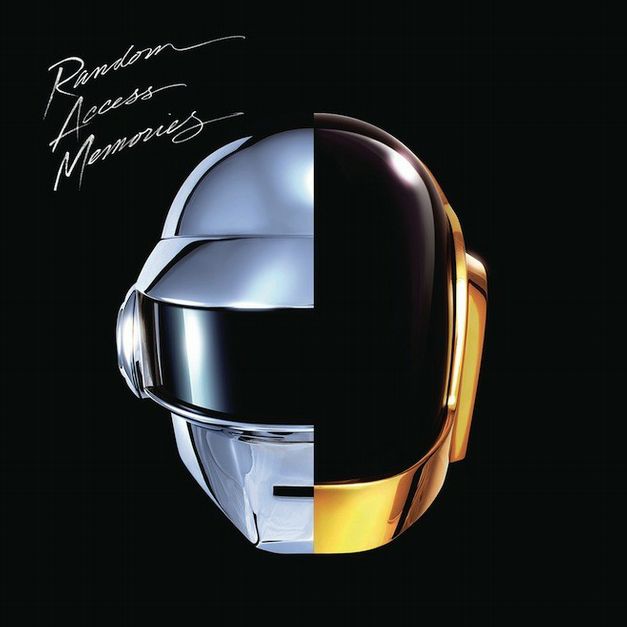
Random Access Memories

In May 2013, Daft Punk built a futuristic discotheque in space called Random Access Memories, and they’re inviting everyone to their party – not just the cool kids. Old-time artists sessions (Paul Jackson Jr., JR Robinson et al) form an intoxicating mesh of disco-jazz, while dreadlocked funk icon Nile Rodgers frets his way through the fabric of their material. Hip-hop/R&B superstar Pharell Williams croons in the foreground and Panda Bear is at the back selling acid tabs. And at the very middle of all this commotion are two robots, trying their very best to make music like they’re humans from the 70s.

Before RAM released, Daft Punk recorded disco king Giorgio Moroder talking them through his rise to fame. Eventually, they chose to include one snippet, heard on “Giorgio by Moroder”, about his involvement in the birth of disco music. “I wanted to make a record with the sounds of the 50s, the 60s, the 70s,” explains Giorgio in his clipped German accent, “And then have a sound of the future.” This is the defining sentence, the centerpiece and the crux of Daft Punk’s effort in this album. What Daft Punk tries to do on this album is what Giorgio tried to do all those years ago.

Giorgio Morodor on the cover of his '77 album From Here to Eternity

Giorgio Morodor on the cover of his ’77 album From Here to Eternity

But an ideological centerpiece is not all that RAM has. EDM (which, by the way, Giorgio Moroder basically invented in ‘77) in its modern form caters to humankind’s strange desire to sound more machine-like. But Daft Punk has, as usual, taken this idea one step forward. Random Access Memories is a story about humans that became robots and are trying to remember what it’s like to be human again. The robots try to access their half-forgotten human side through their random access memories. Get it?

The story starts off, in my opinion, right before Giorgio Moroder gives Daft Punk his clue of combining the past with the future. On “Lose Yourself to Dance” (a directive that really does result in full-body grooving) , we meet Pharell Williams at his absolute soul-funk best, in a jam with Nile Rodgers, who’s belting out the tightest disco riffs this side of the 70s. They create magic again on the spectacular first single “Get Lucky” which would be an honest-to-God hit in disco’s heyday. On both tracks, the Parisian androids are tinkering quietly in the background.

/

After Giorgio’s monologue, a few things change in the story. Album opener “Give Life Back to Music” is their distilled learning from Mr. Moroder: in order to create the future, revive the past. Pharell leaves, the vocoder enters, and Nile Rodgers continues to provide the funkadelic backbone. “Let the music of your life/ Give life back to music,” they implore, and you’re inclined to agree.

Pretty soon, though, the robot takes over the human. “The Game of Love” is about a robot emoting, almost like a human, about heartbreak and eventual acceptance, and on “Within”, the robot is slowly starting to lose touch with its human side completely. “There are so many things that I don’t understand/ There’s a world within me that I cannot explain,” laments a vocoder-edged automaton, amidst slinky piano and theatrical flourishes.

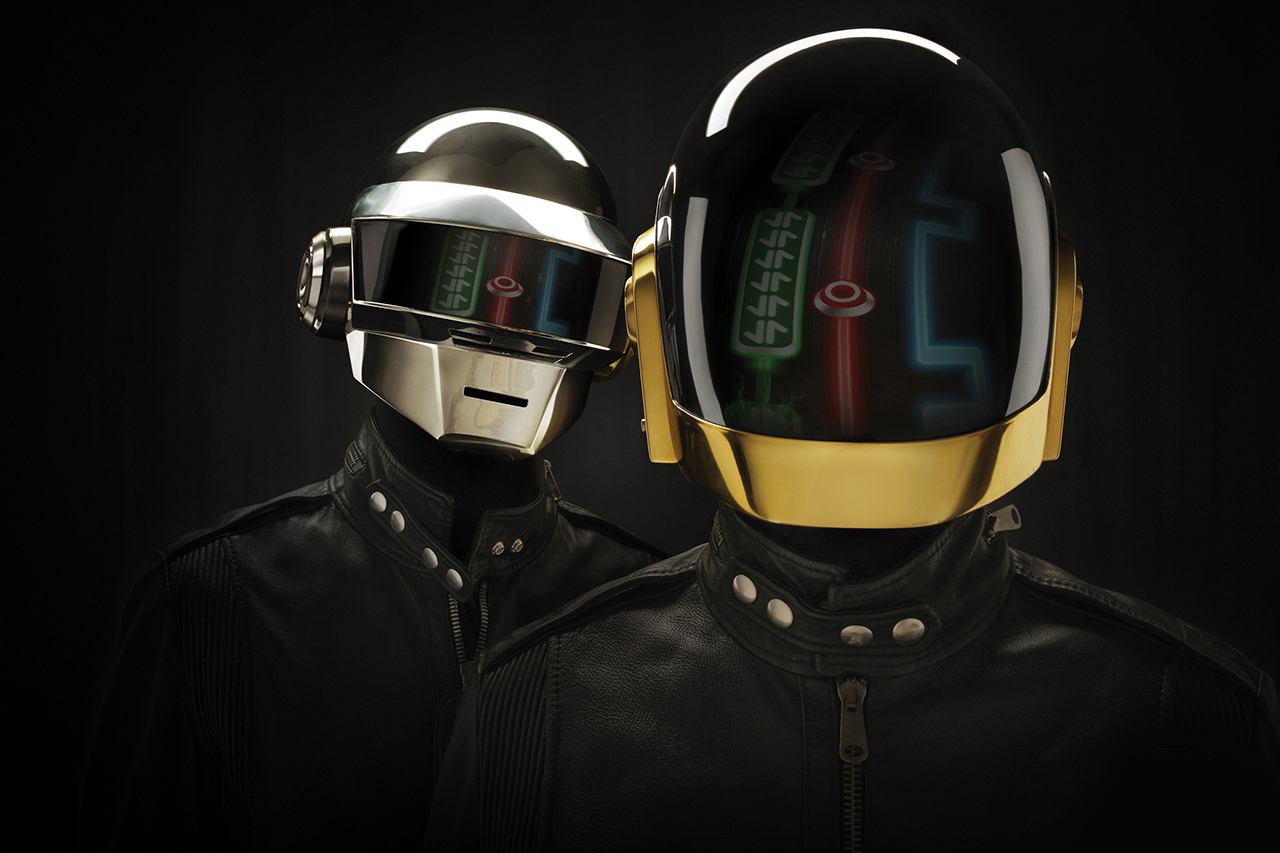
Thomas Bangalter (L), Guy-Manuel de Homem-Christo (R)

Thomas Bangalter (L), Guy-Manuel de Homem-Christo (R)

The storyline (and album) finds dead center on “Touch”, a magnificent magnum opus featuring the old-world folk voice of Paul Williams. The robot, expressing itself through Williams, asks how to relate its computerized memory of touch to the human feeling of touch; and after a full-blown blissful horn and gospel section, the robot realizes the answer is (of course) love. After this life-altering moment (“Sweet touch/ you’ve almost convinced me I’m real”), Daft Punk’s Random Access Memories comes full circle: about humans that slowly became robots, and are slowly turning back into humans. It will send shivers down your spine, I promise you.

Why aren’t the songs in chronological order? Because that’s not how our (human) brains work. Memories are distorted, rearranged and accessed (yes, randomly) by our brain; Daft Punk is trying to mimic that very phenomenon. The album title is really very clever, non?

Daft Punk makes music that foils critical analysis. They want to play 70s disco in their spaceship from the year 4000, because they think it would be a fun thing to do: and that’s their only reason. They are able to distill their playfulness and whimsy into a structured, inspired album – without becoming self-indulgent – and therein exists their greatness. Towards the end of “Giorgio by Moroder”, Giorgio leaves one final observation in the listener’s mind. “Once you free your mind about a concept of harmony and music being correct, you can do whatever you want,” he notes. Daft Punk understand this very well, and on this album, you will, too.

Best Tracks: Get Lucky, Giorgio by Moroder, Lose Yourself to Dance

Bonus:

Jay-Z: Magna Carta … Holy Grail

22 Jul

I’m sure no one doubts just how awesome Jay-Z’s life is. He’s married to Beyonce, worth hundreds of millions of dollars, undoubtedly one of the greatest rappers of all time, and married to Beyonce. Besides, he’s never been shy about telling us all of this. You can’t have a Jay-Z album without some self-congratulation in every song, and we love him for it. No, I don’t doubt that his life his awesome, just that his latest album is.

Magna Carta … Holy Grail is far from a terrible album. The beats are fine, there is plenty of classic Hov lyrics and flow and some truly exceptional moments. For instance, Jay Z Blue and Nickels and Dimes are both excellent by any standard and F.U.T.W. is quite good. However, these stand-out moments are the exception to the mediocrity that defines this album. Even worse, they are often balanced by moments best forgotten. Letting Justin Timberlake take the first 80 seconds of your album takes quite some effort to forgive.

At 43, maybe we should expect an album that is more business than rap, and certainly the strongest songs are only about topics Jay could address at this stage in his life – fatherhood and philanthropy. Whatever the reasons may be, the result is album best forgotten. This is promising to be a very strong year for rap, but Magna Carta … Holy Grail doesn’t hold a place in it.

Milt Jackson and John Coltrane: Bags and Trane

30 Jun

Bags and Trane features, as the name may suggest, vibraphonist Milt Jackson and saxophonist John Coltrane in their only collaborative record. Together with Hank Jones on piano, Paul Chambers on bass and Connie Kay on drums, this is a classic hard bop album and showcases both leading musicians to great effect.

One of the defining characteristics of this album is the great respect Bags and Trane show each other. Their solos flow smoothly into each other and their conversations, especially the one in the composition Bags and Trane, are perfect. Despite the quality of their rhythm section, their solos are the thankfully omnipresent highlight of the album. Take for instance the beginning of Late, Late Blues. The bass perfectly sets the base of the song which Milt Jackson then follows and quickly expands into a full blown solo played over the backing of the rhythm. That passage is jazz in its purest form.

The name aside, the album was done with Milt Jackson as session leader and all of the original compositions are his. The result is more relaxed than much of the music John Coltrane was putting out at the time, but that is no way takes away from the quality. This is very clean bebop and though it may be unhurried, it is brilliant.

This is an album that justifies the reputation of the artists who made it and deserves much more notice than it gets. This is an immaculate album, and while it may not be quite the masterpiece that its contemporaries Giant Steps or My Favorite Things are, it is a classic that any jazz fan should be proud to own.

Yeezus: Kanye West

24 Jun

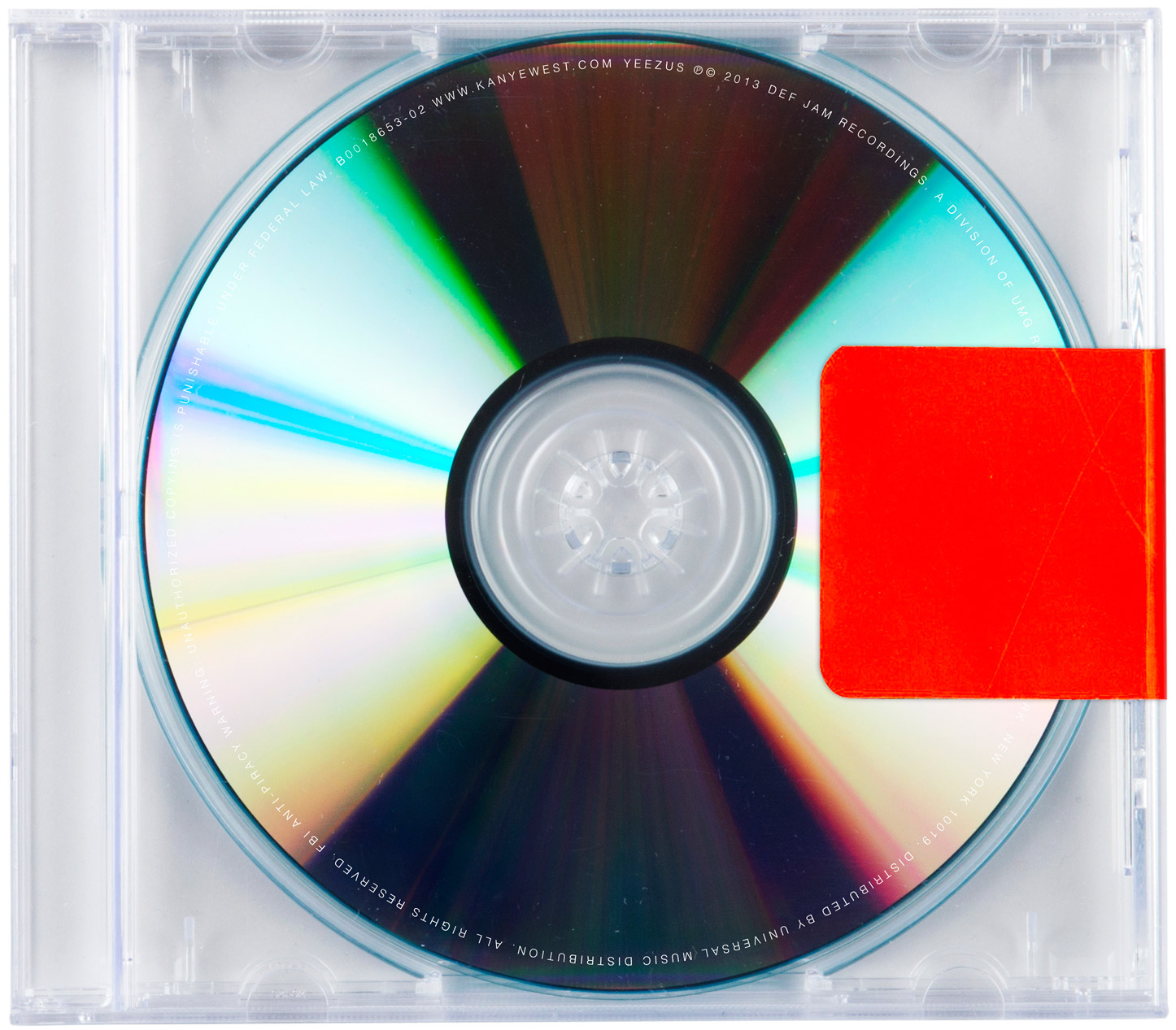
Yeezus.

I Am A God.

The best albums have a way of redefining the world in their terms. You stumble across one and then for a while it owns you. You hear it as the background to everything you do. You never play anything but them, but you can never make the music loud enough. The world fades and takes on the album’s tint. You feel yourself change. This is why I’m very careful about when I listen to Unknown Pleasures. This is why you should probably be careful around me while I’m on Yeezus.

I Am A God.

Yeezus is mean. This is not an album for radio. It doesn’t have to care about what you think and it knows it. This is about being a God, about being above the petty concerns of mortals. This is being Kanye West being nasty. The music is harsh, the lyrics are cruel and the album is designed to hurt. God is not forgiving, he is vengeful. If listening to this doesn’t make you uncomfortable then you haven’t heard it at all.

Due to that though, this album is intentionally hilarious. Kanye West has made an art of being over the top and this album is his masterpiece. Whether it is the ludicrous hubris of I Am A God, or the continuous conflation of African-American civil rights movements and graphic sex acts or even just him speaking Swag-hili, the irreverence of Yeezus makes for the funniest album that I have heard in a long time.

I Am A God.

Being a God has responsibilities as well though. You need to be greater than those whom you want to worship you. This may not be what you expected or are used to, but this is definitely a great album. Blood on the Leaves is his greatest song yet and New Slaves, I’m In It and Bound 2 are all cuts most rappers would kill for. While the album as a whole may not be as immediately listenable as MBDTF or even Watch The Throne, it is still very strong music.

In fact, it is astonishingly good music considering how intent it is on breaking new ground. Putting out an album this fresh is a difficult task in and of itself, and not only accomplishing that but also generating one of the best sounds of the year is incredibly impressive.

I Am A God.

This is not just an album, this is a cultural napalm bomb. This is the work for which Kanye West will be remembered. Pioneering, dangerous and very individual, this is the album that only Kanye could make and we thank him for it. Yeezus.

David Bowie: The Next Day

7 Apr

David Bowie shocked everyone by releasing The Next Day, his first album after a decade of retirement with no advance publicity. What further shocked us was how incredible his return is. A decade has allowed us to forget just how good David Bowie can be and his latest album serves as a stronger reminder than any perusal of his old work ever could.

Every song in the album is strong, often verging on spectacular, and despite the album being filled to the brim with references to his old work each song feels entirely new. Much has been said of how easily Bowie adapts to the times, and the meme-like adaptation of Heroes that serves as this album’s cover is no exception, but what is often lost in the noise is how good his music can be. There doesn’t seem to be a wrong note in this album and songs like The Stars (Are Out Tonight), How Does The Grass Grow and especially Valentine’s Day are exceptional. Bowie has left behind a music legacy that very few others can match and with The Next Day, not only does he evoke the masterpieces that have come before, but adds another work of art to stand alongside them.

Excellent thought the music is, the content of the album is also worth bringing up. Topical in places like Valentine’s Day, How Does the Grass Grow and even the sixties-referencing I’d Rather Be High and more inward-looking on The Stars (Are Out Tonight) and The Next Day, Bowie reminds us why he is respected not only as a musician, but as an intellectual force. Diverse and witty, Bowie walks across us across a fascinating landscape.

Although The Next Day is not quite of the standard of say, Ziggy Stardust, this is nevertheless a triumphant return for David Bowie and hopefully a long-lived one.

Wayne Shorter: Without A Net

18 Mar

Iconic jazz saxophonist Wayne Shorter has returned to Blue Note Records this year to release Without A Net. His first album with the label as bandleader in 43 years shows no trace of age and he is as dextrous and intelligent as ever.

The album is mostly from the Wayne Shorter Quartet’s 2011 Europe tour and as a result is a bit minimalistic. Only rarely are more than two instruments noticeable at once, but that merely gives each one space to shine. Wayne Shorter himself burns through the entire album. His lyricism is unparallelled here and his virtuosity is as undeniable as it ever was. The saxophone has had its fair share of masters and at eighty, Wayne Shorter can still stand with pride amongst them.

The album itself is consistently excellent. Plaza Real, for instance, is simply incredible. It goes all over the place and takes you along emotionally. However, although the album is extremely listenable, it is also quite complex. Unless you have some familiarity with jazz, I am afraid that this album may seem to mostly be noise. It is far from being John Coltrane’s Interstellar Space or Sun Ra’s Space Is The Place, but nevertheless is not for beginners (who should however check out our earlier article on albums to start jazz with). This is an extremely rewarding album though, and no matter your level of jazz knowledge, you cannot help but admire the technical proficiency of the quartet.

Wayne Shorter has delivered an album here that in every way lives up to the ones that came before. Hearing this, one can almost forget that it is no longer 1969. This may not be quite up to the true jazz classics, of which Wayne Shorter certainly has his fair share, this is still a great jazz album by the standard of any time.

– Nikhil

Eminem: The Marshall Mathers LP

24 Feb

Only once in a while do we come across greatness, whether it is in the form of movies, art, literature or music. Greatness which doesn’t present itself to us in the form of a fluke, but sheer talent. Greatness which can be spoken about, even a hundred years after the particular event/form of art has been created. I’m going to talk about one such masterpiece that I was lucky enough to observe at its inception.

This particular art is none other than Eminem’s 2nd major label album- The Marshall Mathers LP. The album is one of the most aggressive and important music albums to release during a time when the frustrated, directionless and angry youth was trying desperately to find someone they could relate themselves to. A time when hypocrites and fakes were rampant in the music industry. This time was during the late 90’s & the year 2000.

Just when people got used to calling Britney Spears and The Backstreet Boys as the greatest artists of all time, Marshall Mathers aka Eminem aka Slim Shady stepped onto the scene.

Eminem changed the face of hip-hop & rap, particularly with his album, The Marshall Mathers LP, which came out on May 23, 2000. This album, apart from being extremely controversial, it eventually sold 10,598,000 copies, becoming one of the most commercially successful rap albums of all time. It has been ranked as one of the greatest hip hop albums of all time by Rolling Stone, Time, and XXL. It is also one of the only albums to be acclaimed by critics, as well as the mainstream-pop loving- audience. It influenced us all.

Every song on the album was a classic; even the skits were worth listening to. The album starts off with the satirical “Public Service Announcement 2000” where Eminem reminds us in under a minute that he doesn’t mind being sued over what he raps about. It smoothly merges into one of the most shocking diss songs – “Kill You”. Eminem aggressively takes shots at his ex-wife, Kim, the mainstream radio shows and yes, his own mother.

The next song on the album is the famous “Stan”, where Em talks about obsession from a deranged fan’s point of view. It is a brilliant song- right from Eminem’s solid storyline verses, to Dido’s haunting hook. After this song, we have a skit called “Paul”, where Eminem’s attorney, Paul Rosenberg seems dejected after listening to this album.

The next song is “Who Knew”. This is an extremely raw song, which reminds me of the songs on the Slim Shady LP, Eminem’s first mainstream album. Eminem is at his most honest and straightforward self in this song, where he questions parent’s upbringing of their children. For instance, pay close attention to the lines- “Told them that my tape taught them, to swear/ What about the makeup you allow your 12 year old daughter to wear?”

The end of this song marks the beginning of a skit called “Steve Berman”, where Steve gives Eminem a piece of his mind because he hates the album’s themes and he compares his album to Dr. Dre’s Chronic 2001 explaining why the latter was so successful. Next on the list is “The Way I Am” where Eminem reminds the world why he doesn’t give a f*** and warns us to leave him alone in peace. This is followed by “The Real Slim Shady” where Em tells us how despite millions of people imitating him, there will be only one Eminem.

The next song is “Remember Me” featuring RBX and Sticky Fingaz. All 3 rappers produce solid verses which soothe as much as they sting. This song has one of the best Dr. Dre beats in it. After this, “I’m Back” commences, which is one of the most aggressive songs Eminem has done, even without his trademark screaming. He reminds us that he is back with a vengeance and is here to stay. This sparks the next song which is “Marshall Mathers” where Em tells us that he’s just a normal human being like the rest of us, and how his fame & fortune paved way for even the most hostile people to embrace him.

Now, the next song is a skit called “Ken Kaniff”. I’d rather not give a description of what exactly happens in the skit, but it’s basically where Em makes fun of Shaggy 2 Dope & Violent Jay, two other artists who Em had a beef going on with for many years even after the album was out. The next song is “Drug Ballad”, where Em talks about the ill effects of drugs, in his own twisted, satirical way.

This is followed by “Amityville” which features ex-D-12 member, Bizarre. Eminem raps about how he’ll kill you if he’s pushed too far, especially in Detroit. Bizarre gives us one of the craziest verses in rap history. You better hear it to believe it. The next song is “Bitch Please” which has a star studded guest feature- Dr. Dre, Snoop Dogg, Nate Dogg, and Xzibit. All the artists show off their rapping skills, where as usual, Eminem outshines the rest.

The next song is the brutal “Kim” where Eminem kills his wife after catching her cheating with him. After this, Eminem gives us another hard hitting, vulgar song “Under The Influence” which features his group D-12, of which he’s a part.

The final song is “Criminal”, which, personally is one of my all time favourite Eminem songs. He is crazy, funny, brutal and serious at the same time. The song also includes a funny skit where he and Dr. Dre pull off a bank heist without getting caught.

So there you have it. I actually reviewed the entire album tracklist in the correct order without even looking at the album back-cover. Yes, such fans do exist, and there is a REASON why such fans exist. I hope whoever reads this gives this album a listen. Especially those who think rap & hip-hop is comprised of only people like Nicki Minaj, Soulja Boy etc.

– Faisal

Top Class: The Best Music of the Year

29 Dec

Seasons’ greetings to our readers! As Year Twenty-Twelve winds down, there are a few inevitable questions that arise. Why did the Mayans provide such an anticlimax? Will there ever be peace in the Middle East? What were the best albums of the year?

Unfortunately, prophecies and politics are not our forte, but we proudly share with you our take on the year’s best in music.  From R&B superstars to British indie rock, Top Five Records covers the top five records (duh) from the year that was.

5. Jake Bugg, by Jake Bugg
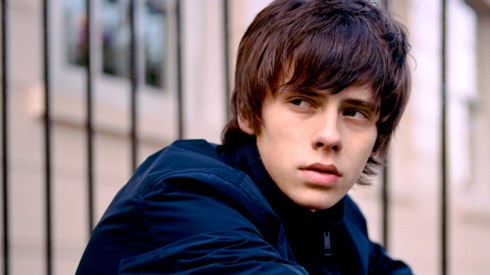
Young 19 year old singer-songwriter from Clifton, Nottinghamshire

Young 19 year old singer-songwriter from Clifton, Nottinghamshire

Chiming in at number five is one of England’s finest singer-songwriters – and certainly the youngest. 1994-born Jake Bugg (né Jacob Edwin Kennedy of Nottinghamshire) impressively channels artists from at least thirty years before his birth in his eponymous debut album Jake Bugg. Yes, the overarching obvious influence is Bob Dylan, but there’s a healthy bit of Lonnie Donegan and Graham Nash in there too. The entire concoction is astounding for several reasons: he strums and finger-picks like he could be pals with Nick Cave; he writes and phrases like he could be a contemporary of 2005-06 era Alex Turner; and he looks like Britain’s answer to Justin Bieber.

Raucous skiffle/country stomp “Lightning Bolt” starts the album off on a rather good note, and sets the tone too. “Two Fingers” is a tribute to his life in Clifton: fat joints, too much alcohol, and an unnamed man in the house flinging curses at Jake’s mother, while “Seen It All” deals with pills, gangster crews, and the kind of parties where everyone carries a knife. Surely, it is enough to send a young man into spirals –Jake admits that he’s “run down some dark alleys” in his head. The lad’s appeal shines through in “Two Fingers”, though: his “Hey, it’s fine/I left it behind” closer adds that subtle touch of having ‘seen it all’ and being all the wiser because of it. “Ballad of Mr Jones” is a slow-burning epic about a powerless man who drunkenly takes things into his own hands; we guarantee that you spend the song thinking, How the hell is this guy just nineteen? The best song on the album, however, is still our old favorite. Jake Bugg’s album is an hourglass, with one bulb set in yesteryear’s bluesy tarnish and other set in today’s grisly reality – the best part is that you don’t even notice the sand flowing between the two.

Must check out: “Someone Told Me”, “Ballad of Mr Jones”, “Lightning Bolt”

4. Channel ORANGE, by Frank Ocean

Christopher Francis Ocean.

Christopher Francis Ocean.

Clocking in at our number four is R&B critical darling Frank Ocean. Last year, Mr. Ocean’s mixtape Nostalgia.ULTRA topped many a critic’s list. The current member of oddball rap troupe Odd Future was an erstwhile songwriter for artists as varied and well-known as Beyonce, Justin Bieber and John Legend. But with his debut mixtape, Frank has decided to step out of the background, and has since then come into his own as perhaps the best R&B artist recording today.

Channel ORANGE was cleverly released in the very week that normally girl-lusting Frank Ocean confessed (on Tumblr!) to being in unrequited love with a man for many years. The shock surrounding the news, coupled with a series of shrewdly-timed interviews, meant that Frank was the biggest thing in music at that point. Happily, the album lives up to the hype.

Frank Ocean's tell-all Tumblr post

Frank Ocean’s tell-all Tumblr post

“Forrest Gump” is about that same man, who ran Frank’s mind for a few years (Run, Forrest, Run. Get it?). On “Bad Religion”, he sings/confesses in earnest (“I could never make him love me/ Never make him love me”) to a taxi driver/shrink for the hour, and you’re left wondering if ‘he’ is the man in “Forrest Gump”, or God, who historically tends to frown upon homosexuality. Prostitute/Queen of Egypt mash-up “Cleopatra” is equally rich in religious motifs. (We wrote about it earlier this year.) But we felt that the best songs on the album arise when Frank pairs his emotional revelations with an R&B foil of sorts: such as Outkast’s Andre 3000 on “Pink Matter”, or our personal album pick “Super Rich Kids” featuring fellow Odd Future member Earl Sweatshirt.

What really strikes you about Frank Ocean is his ability to turn the hedonistic ideal on its head: that a life of drugs, alcohol and sex can rebound into a very acute sense of loneliness and defeat. Flip over to Channel ORANGE, asap.

Must listen: “Bad Religion”, “Super Rich Kids”, “Cleopatra”

3. Django Django, by Django Django

Art school kids from Edinburgh

Art school kids from Edinburgh

Imagine that you live in a space station in year 2250 with the rest of the humans, decades after the Earth has proved uninhabitable. Imagine that you then decide to zap yourself back to ancient Cairo, find yourself a bodacious desert caravan, zap yourself forward to the Californian desert of the 1850s right into a spaghetti Western, and finally go on a caravan journey to the Pacific Ocean where you decide to go surfing. If you can imagine all this, then you’re prepared to listen to Django Django, the eponymous debut album by four of the finest specimens of Edinburgh’s art-school scene.

Even if you can’t imagine what we describe above, start listening. Django Django have made it easy for you to picture with the aptly entitled album opener “Introduction”, where synths from the future meet rugged outlaw whistles of Old West, while “Hail Bop” transitions seamlessly from this seething drama into almost a Beta Band-like classic, echo-y pop rock. (Interesting trivia: Django Django’s David Maclean is in fact the little brother of the Beta Band’s keyboardist John Maclean!)
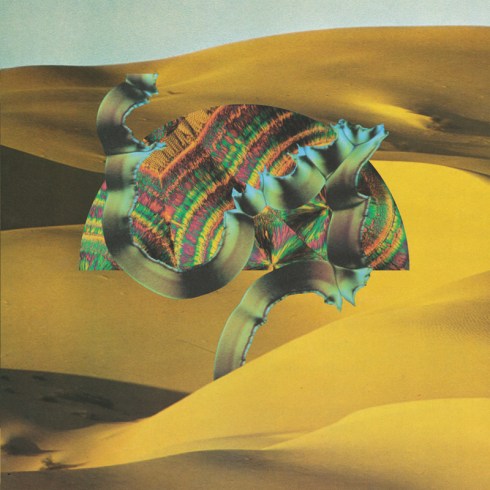
Django Django album cover

Django Django album cover

“Skies over Cairo” is a mind-blowing instrumental piece that could soundtrack a revamped version of the video game Prince of Persia if it were rewritten as a mystery-thriller, while “Zumm Zumm” heads south right into the sub-Sahara.

The album’s centerpieces, though, are the two singles that the band has released. “Default” jangles with unrelenting percussion, chant-chorus lyrics and synths straight from hyperspace, and is overall one of the catchiest songs you will hear in your life. MGMT only wishes they were this good. “Waveforms” is the other crowning glory in this overall glorious album. Starting off exactly like a Major Lazer song, the synth-drama slowly unfolds in a cerebral haze that is more organized that it seems on surface. The song ends with the entire band chanting a hypnotic mantra:“Touch it, break it, shake it yeah/ Take it apart and break it yeah/ Try to rearrange it yeah/ Couldn’t recreate it yeah”.

And that’s what the band essentially does. They take noises from various locations and time periods of world history, and rebuild it into a colorful kaleidoscopic juggernaut that is wholly organic and fully fantastic.

Must listen: “Default”, “Waveforms”, “Skies Over Cairo”

2. good kid, m.A.A.d. city, by Kendrick Lamar
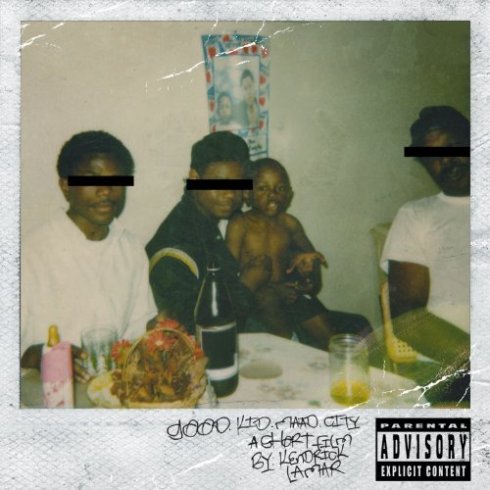
good kid, m.A.A.d. city: A Short Film by Kendrick Lamar

good kid, m.A.A.d. city: A Short Film by Kendrick Lamar

Straight-out-of-Compton Kendrick Lamar’s debut album, good kid, m.A.A.d city, is a meditation on what makes a classic, near-perfect hip-hop album. The album cover features a young Kendrick in the background and a tall bottle of booze in the foreground; Kendrick sets the familiar atmosphere that has consumed many a rapper: that of the over-arching influences of a mad city’s harsh realities, especially for a young black man. The difference between Kendrick and all those other rappers is the other element pictured on the album cover – family – because of which Kendrick managed to stay a ‘good kid’ despite Compton’s gang culture.

But that doesn’t make a classic hip-hop album: not quite. Kendrick is also an excellent rapper, an adept storyteller, and an intelligent young man, and is able to convey his thoughts in a killer flow over some seriously slick beats. Kendrick has correctly subtitled the album ‘a short film by Kendrick Lamar’. It’s a flipbook of glimpses into Kendrick’s life – from teenage lust and gang temptations to the maturity of young adulthood – and it’s so well-articulated that you could actually be watching a movie.

Kendrick Lamar Duckworth

Kendrick Lamar Duckworth

On “Sherane”, a teenaged Kendrick drives out to his girlfriend’s house, mad with lust: only to stop short at her driveway at the sight of two hooded gang members; a voice mail from his mother, asking him to come back home, ends the song. The story continues in a skit on “Poetic Justice”, where he eventually gets jumped by the two gangsters on account of being on their turf. This event catalyses his thought process on “good kid”, where he realizes that he’s stuck between the ‘red and blue’ of Compton’s gangs and the ‘red and blue’ [police lights] of the bigoted cops. “I’ve never been violent, unless I’m with the homies,” explains ‘good kid’ Kendrick on “The Art of Peer Pressure”, and these are the same influences that he tries to overthrow on “m.A.A.d city”.

The album’s story arc – and Kendrick’s process of transition – finds its end on “Real”, in a heartbreaking skit with Kendrick’s parents. “Any nigga can kill a man, that don’t make you a real nigga,” his father tells him, “Real is responsibility, real is taking care of your motherfucking family, real is God, nigga,” while his mother chimes in with, “I love you, Kendrick.”  Kendrick Lamar has created more than an album: he has actually written a poignant and all-too-real script of gang culture’s harrowing influence. We strongly urge you to listen to good kid, m.A.A.d. city. It’s a masterpiece.

Must listen: “The Art of Peer Pressure”, “good kid”, “Real”

1. Lonerism, by Tame Impala

Album cover

Lonerism.

Over the course of the year, we have already sung numerous praises for Perth’s retro-psychedelic sensation Tame Impala. Over the course of the year, we also realized another thing: nothing else we’ve heard in 2012 has been able to match up to their album. The conclusion? Tame Impala’s sophomore album Lonerism is, in our honest opinion, the best album of 2012.

Yes, it is true, Tame Impala sounds like they might’ve fit in well in the late 1960s. Yes, it is true, lead singer Kevin Parker sounds eerily like Jim Morrison and John Lennon. But either one of those facts wouldn’t make them brilliant, or even that notable: psychedelic rock revivalists are a dime a dozen. Lonerism is special because Tame Impala’s band members have swathed themselves in the spirit of that bygone era so meticulously that they know no other way of making music; so that when the digital-age sheathes of synths (or any other elements) are inevitably added in, they seem perfectly organic even against the retro backdrop.

The umbrella theme on Lonerism stems from Kevin Parker’s acute introversion and subsequent loneliness. This manifests itself in songs that are at different stages of his thought process: from the suppliant “Why Won’t They Talk To Me?” to the resigned “Keep On Lying” to the wonderfully nihilist and expressly titled “Nothing That Has Happened So Far Has Been Anything We Could Control”.

Perth boys

Perth boys

The whole album is a giant trip; and each of the songs is, individually, a mini-trip that swirls and floats around in your head, with enough small quirks and strokes of genius embedded in the album to leave you spell-bound. There’s that moment on “Mind Mischief” when the strobe vocals and atmospherics wind down by a fraction to surface a guitar riff. There’s that moment on “Sun’s Coming Up” where the mournful piano ballad unexpectedly switches into hopeful, reverb-heavy wah-wahs: like musical sublimation. There’s that moment on “Keep On Lying” when the guitars, drums and non-diegetic laughter suddenly sync up, and a new phase of the song begins. These magical moments can and will vary for each listener and listen, which means that Lonerism is that rare, ever-replenishing goldmine: a classic.

“Elephant”(music video!) is an unrelenting, mind-blowing animal of a track that overtakes your entire mind for a few minutes; Tame Impala hypnotize you into their world with cymbal crashes, drum rolls and that bassline, dear God. Fluffy white clouds float lazily by in an azure sky on “Feels Like We Only Go Backwards” (music video!), and you’re too headily high to notice what Parker’s really saying (“But I got my hopes up again, oh no, not again/ Feels like we only go backwards darling.”). “She Just Won’t Believe Me” is a snatch of four-sentence brilliance, like a mistakenly-tuned radio station.

We tried, but we just couldn’t stop ourselves from describing nearly every song on this album.

Tame Impala’s Lonerism sounds like that one unforgettable stoned reverie (we’ve all had one) that you had in college when you were tripping on weed and listening to ‘60s psychedelia. If you like The Doors, post-Revolver Beatles, early Pink Floyd or getting high, you will love this album. Even if you don’t really like any of these things, you’ll still like Lonerism. We guarantee it.

Must listen: “Elephant”, “Keep On Lying”, “Mind Mischief”

Agree with our top five? Disagree? Let us know in the comment section below!