Archive by Author

Arctic Monkeys – Tranquility Base Hotel & Casino

13 Dec

In many ways, the Arctic Monkeys’ sixth studio album Tranquility Base Hotel & Casino is the antithesis of their break-out debut (Whatever People Say I Am, That’s What I’m Not).

For starters, Tranquility is much slower-paced, relying heavily on dreamy piano bits and understated bass-lines, while the debut practically rewrote the book on fast-paced guitar riffs. Lyrically, Tranquility has lead singer Alex Turner making circuitous, often self-important statements, differing vastly from the sharp observations on “From the Ritz to the Rubble” or on “A Certain Romance” – and ironically becoming the same person he lambasted on “Fake Tales of San Francisco”.

And that isn’t the biggest irony. The Monkeys’ debut propelled to instant fame partly because it was precisely at the right point in music history to become one of the Internet’s first “viral” hits – but Alex Turner, in an unfortunate turn toward the geriatric, devotes many lines on Tranquility to the supposed evils of a connected world.

It isn’t all bad news, though. “Four Out of Five”, with its bass-laden brilliance, details Turner’s fascinating album concept. Apparently, the very real Tranquility Base now houses a hotel and casino on the moon, complete with a house band (Arctic Monkeys as the Martini Police) and a taqueria on the roof. There’s also a hint of a futuristic dystopia (“Since the exodus, [the moon’s] all getting gentrified”), which the music video builds upon with intrigue.

Batphone” is another stand-out track, with a subtly sexy bass and an old-school thriller vibe that perhaps makes the Monkeys great contenders to soundtrack the next Bond movie. The title song also shines through O’Malley’s bass-line, and a dollop of magical realism (“Jesus in the day spa / filling out the information form”). By the time you get to the chorus, you almost feel like you are, indeed, at the Monkeys’ hotel and casino complex.

However, the album betrays a steep decline in Turner’s lyrics. “Technological advances / Really bloody get me in the mood”, he complains on the title song, and seconds later beseeches his lady love, “Pull me in close on a crisp eve, baby / Kiss me underneath the moon’s side boob”. Yuck, on both counts. On “She Looks Like Fun”, he descends into simply yelling out non-sequiturs (“Good morning” / “Cheeseburger” / “Snowboarding”) – apparently, they are all references to his now-ex-girlfriend Taylor Bagley’s Instagram feed, but that knowledge cannot excuse these lyrics (and somehow makes them worse). On “Batphone”, he talks about using “the search engine” and the time he “got sucked into a hand-held device”. Perhaps the technological ignorance is meant to be quaint?

Apart from the lyrics, the album’s other big travesty is the criminal under-use of Matt Helders’ drums. Other than Turner’s (erstwhile) quick wit, Helders’ drumming was perhaps the key reason to be a Monkeys fan. On Tranquility, he is relegated to simple beats that a drum machine could have probably provided, while Turner takes front stage with an often-rambling persona. On the music front, the silver lining is that Nick O’Malley really outdid himself on the bass, practically carrying otherwise-unmemorable songs.

With Tranquility Base Hotel & Casino, the once-cool Arctic Monkeys have taken a worryingly avuncular turn. Hopefully, Alex and co. will be able to take the best parts of this album for a livelier seventh output. This one, though, is a dud.

Best songs: “Four Out of Five”, “Tranquility Base Hotel & Casino”, “Batphone”

The Top Five Albums of 2017

1 Jan

2017 has been a good year for returning legends and young upstarts alike. On the former front, Jay-Z released his side of the story behind the infamous elevator fight in 2014, following albums by his wife and sister-in-law in 2016. Spoon released yet another great album, and indie darlings LCD Soundsystem came back from self-imposed retirement with a surprise album.

As for the upstarts: we got some amazing debut albums from buzzy artists like Moses Sumney and Sampha, but we were also graced with surprisingly strong follow-up records from Lorde and Vince Staples. And of course, there was Kendrick Lamar, who simultaneously fits both categories (and, really, all categories) with his third major-label full-length album.

Read on for our take on the top five albums of the year past.

5. The OOZ – King Krule
the ooz_king krule

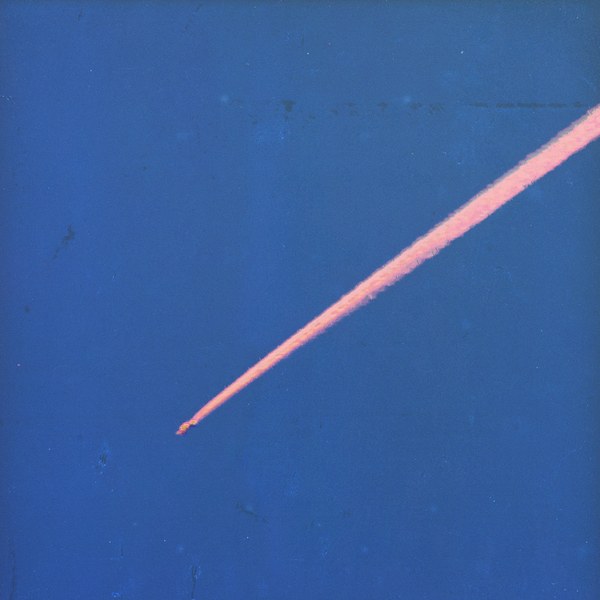
According to King Krule (the stage name of 23-year-old Archy Marshall), the “ooz” mentioned in the album’s title is an homage to the various solids and liquids that ooze out of the human body – the primordial “creations” that we make and refine to fit into society. The vowel is lopped off at the end as a tip of the hat to the backwards-form of Marshall’s previous avatar, Zoo Kid.

If all of this seems strange and circuitous, then we’ve given you an apt welcome to the world of King Krule. The OOZ lies somewhere along the spectrum between jazz, punk and grunge, and Marshall’s brilliance lies in elevating this sonic kaleidoscope into a seamless new genre.

“Dum Surfer” opens like a menacing surf-rock song, crisp guitar bouying Marshall’s half-remembered boozy stories. About a third of the way through, the song segues into a skillful jazz guitar solo, complete with backing brass, but the beat never changes – it’s the same song. “Czech One” is a heart-breaking jazz-R&B song, complete with melancholic saxophone. Two songs later, “Vidual” is the hypothetical output of the Libertines penning a ska song.

Aside from his obvious musical aptitude, King Krule also happens to be a pretty good writer. Specifically, his allure lies in his ability to shuttle between precise anecdotes and profound reflection without losing the overall plot. For example, on album opener “Biscuit Town”, Marshall transitions from plaintive young-adult angst (“I seem to sink lower, gazing in the rays of the solar / In fact, we made a pact, but now I think it’s over”) to name-dropping Coca-Cola and Chelsea player Zola in the same verse. Somehow, this mishmash of story structures deepens your investment in Marshall’s emotions – with the effect that you are left feeling sorrier for him than deserved for what is essentially a yearning post-break-up tune.

The OOZ is a unique, woozy picture of Archy Marshall’s wide-eyed sadness. If there is a flaw, it’s that 19 tracks is a bit too long, but that’s just our opinion. File this one next to Mac DeMarco, early Nirvana, jazz classics, or pretty much anywhere else on your shelf – it’ll work.

Best tracks: “Dum Surfer”, “Biscuit Town”, “The Locomotive”

4. Big Fish Theory – Vince Staples

Vince-Staples-Big-Fish-Theory-Album-cover-art

In direct contrast to current radio-reigning rap stars, Vince Staples is not boujee at all. He does have a lot of new money, but he certainly isn’t wasting it on stupid shit. In fact (just like a great man once warned), more money brought Vince more problems, in the way of an inability to be happy despite achieving everything he’s ever wanted. Vince battles the ennui by making more music, which in turn brings more money and – you guessed it – more problems. It’s a vicious cycle, but happily for us, it results in great music from Vince Staples.

Don’t get us wrong – Big Fish Theory is no sob-fest. Vince Staples’ lyrics may speak of an inner tedium (“Human issues too strong for tissues”) but damn, can he lay a strong boast over a sick beat when he needs to. On “Big Fish”, Vince describes his bad-ass self-control over a club-ready trap beat – not only is he good at getting rich, but he is damn good at staying rich. On “Yeah Right”, Vince sneers at the priorities of today’s rap stars – money, women and then musical fame – all over a sludgy, sexy beat that could replace any one of these stars on the charts.

Full review here.

(If you’re wondering where you’ve heard his music before, it’s probably “BagBak” on the soundtrack for the Black Panther trailers.)

Best tracks: “Big Fish”, “Yeah Right”, “BagBak”

3. Hot Thoughts – Spoon
Hot thoughts

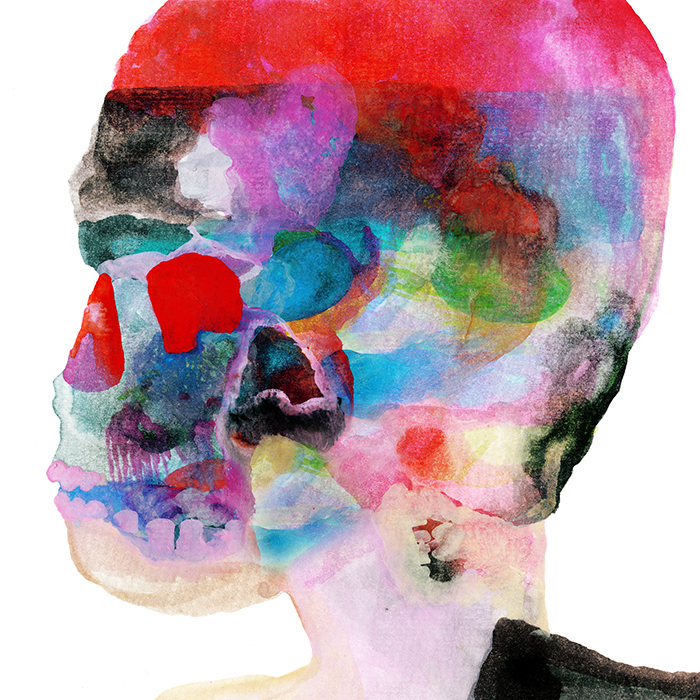
There’s a certain consistency to Spoon. The beats are always crisp; the guitars alternate expertly between nervy energy and rock-star confidence; the lyrics are slightly peculiar, matched by Britt Daniels’ idiosyncrasies. That may sound like formulaic, but Spoon is anything but. The essence of the band remains constant – the Austin-y quirkiness especially – but Spoon is actually very adept at updating the rest of their sound with each subsequent album.

Hot Thoughts, the band’s ninth (!) album since their formation in the mid-90s, is no exception. Keeping with the times, the album gets an almost hip-hop treatment, most audible on the sly overconfidence of “Can I Sit Next to You”. Hot Thoughts also benefits from the guiding hand of Flaming Lips producer David Fridmann, resulting in the sonic dreamscapes on “Pink Up” and the free-jazz masterpiece of album closer “Us”.

The best tracks, though, are still the Spooniest ones. “Do I Have to Talk You Into It” is all big drums and Daniels confidence, and “Shotgun” could soundtrack a bar fight in your early 20s. It’s the kind of music that makes the Strokes seem frumpy.

Full review here.

Best tracks: “Do I Have to Talk You Into It”, “Can I Sit Next to You”, “Shotgun”

2. Melodrama – Lorde

Melodrama

Lorde started working on her debut album, Pure Heroine, when she was a 13-year-old in small-town New Zealand. The album, which released a few months before her 17th birthday, was set in suburbia, with a close set of friends and nothing really to do, and it was so good because the songs reflected those circumstances so well.

Melodrama is very different, because Lorde herself is very different. In between the two albums, Lorde became extremely famous, originally through her break-out track “Royals” but later supported by a slew of well-received singles. She moved from New Zealand; she made new friends. Fortunately, Lorde’s skill at transcribing the moods and phases of her life into song have grown with her. Melodrama is the result of spending an already melodramatic period of life – late teens – under the auspice of immense fame.

Every song on the album is a standalone story; a slice of Lorde’s life, shuttling between New York and New Zealand and everywhere else in the middle. On the whole, Melodrama is a break-up album – in a very real sense, from her New Zealand boyfriend James Lowe, and in a deeper sense, from the starry-eyed naivety of her late-teens.

Melodrama is a near-perfect, infinitely enjoyable pop album, and you’re losing out on a real musical treat if you haven’t given it a full listen.

Full review here.

Best songs: “Homemade Dynamite”, “Sober”, “Perfect Places”

1. DAMN. – Kendrick Lamar

Kendrick-Lamar-DAMN-album-cover-featured-827x620

As we speculated in May, it has basically become an assumption that a new Kendrick Lamar album will be the best album of the year. For the remaining seven months, we looked far and wide – from post-rock to punk-jazz, from hip-hop to pure pop – but nothing comes close.

Like its predecessors, DAMN. is a masterpiece because Kendrick Lamar is bigger than life. He is a born-again Christian, and genuinely believes that he has been put on this Earth with a greater purpose. His literally godlike self-confidence lets him do things that others simply cannot do. On “DNA.”, he explores black heritage from a blinding barrage of angles (“I got power, poison, pain and joy inside my DNA / I got hustle though, ambition flow inside my DNA”). Like many rap songs, “HUMBLE.” is boastful (“I blow cool from AC / Obama just paged me”); but by masterfully balancing the brags with too-real pictures of the very recent past, Kendrick keeps himself humble. “FEEL.” is a free-fall through Kendrick’s complex feelings on his newfound fame, delivered in a flow so fluid that the words almost become beats.

The hundreds of words in Kendrick’s verses are so full of wordplay, imagery and thematic elements that each song basically needs its own Cliffnotes. Kendrick Lamar is a masterful poet and storyteller who just happens to have the lucrative gift of making chart-topping hits. DAMN. is not even the best album of his career, but it’s still the best album of 2017.

Best songs: “HUMBLE.”, “ELEMENT.”, “DNA.”


L.A. Witch – L.A. Witch

21 Dec

L.A. Witch

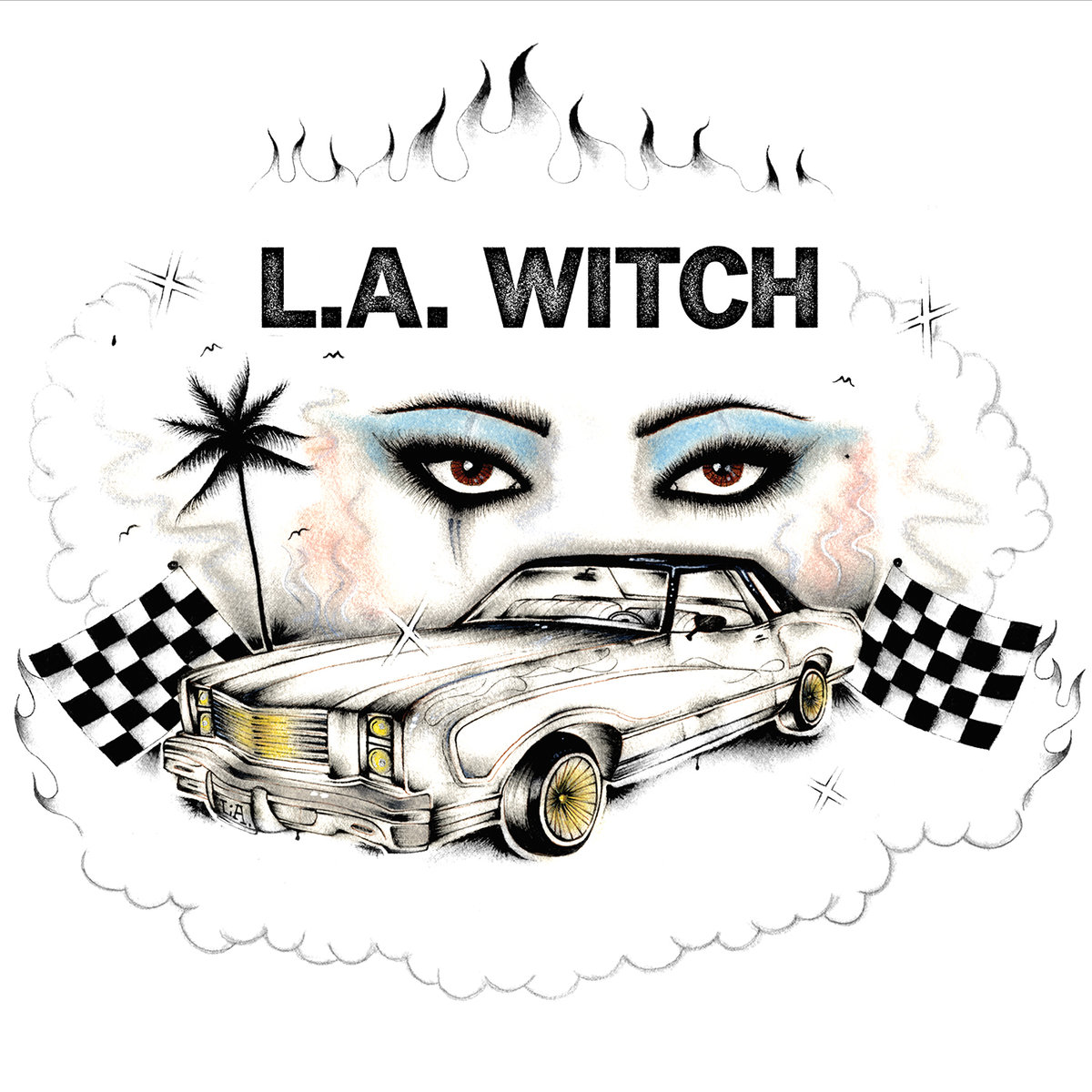
The entirety of L.A. Witch, the eponymous debut album from this Los Angeles all-women trio, sounds like it should soundtrack the impossibly steep cliffhanger of an addictive drama series. The fuzzed-out guitars clash alluringly against the reckless vocals: a carefully-pruned discord that hints at mysterious backstories and exciting future plots. (Excuse us as we write an email to Better Call Saul.)

According to L.A. Witch, the “witch” part of their moniker stems from their ability to conjure up the sounds and vibes of yesteryear Los Angeles – a promised land with impossibly good weather that attracted eager future residents from all over the country. And certainly, the weather plays an element in L.A. Witch’s sound. Sade Sanchez’s woozy drawl elicits the nearby desert – dusty and sultry – while her jangly guitar and Irita Pai’s surfer-rock bass paint the other side of the picture. The music sounds like Jefferson Airplane featuring a very drugged-out Jim Morrison, so L.A. Witch definitely deliver on their sound as well. (Perhaps the best showcase of their aesthetic is the music video for “Drive Your Car”, which features the three women driving vintage cars through the desert while dressed head-to-toe in black clothing.)

L.A. Witch exudes a dreamy yet chaotic vibe, like a bokeh photograph of a highway crash, and the lyrics paint half-pictures that intrigue more than explain. Album opener “Kill My Baby Tonight” is an atmospheric meditation to kill one’s lover if he’s late again. What’s the full story? Is he cheating on her? We never find out. “Baby in Blue Jeans”, a sultry dream of a love song, has a slow-burning intensity that suggests there’s more than meets eye to this relationship. On “You Love Nothing”, the reverb-heavy guitars and distant tambourine trick you into thinking it’s sunny times at the beach, but Sanchez dampens the mood by singing about doomed love (“You love nothing, you want nothing / Why do I want you? Why do I need you?”).

Earlier this year, the band played at Joshua Tree as part of the Desert Daze music festival. In our opinion, the festival should just ask the band to curate the entire event, because no other artist better exemplifies the term “desert daze” than these three women. L.A. Witch’s debut album is a moody, jealous album that enthralls with its half-completed stories and 60s psychedelia vibes.

Best songs: “Kill My Baby Tonight”, “Baby in Blue Jeans”, “Drive Your Car”


Royal Blood – How Did We Get So Dark?

15 Dec

Royal Blood

In 2014, Royal Blood was the subject of a massive amount of hype. On the back of a truly electric debut, the band rapidly built a fanbase comprising drunk teenagers, rockstars and living legends alike, and Royal Blood truly deserved all the hype. Their music is elemental testosterone with enough energy to consume stadiums, but it shocks the senses to realize that the sound comes from two people. Mike Kerr shreds a distorted bass to fill the dual role of a guitar and a bass, while being canny enough to sing great tunes as well. Ben Thatcher launches an array of weapons into your eardrums through, well, his drums. And that’s it. No other instruments, no other people.

Royal Blood sounded like the perfect mix of a grittier White Stripes, a leaner Queens of the Stone Age and a more masculine Franz Ferdinand. How Did We Get So Dark?, their sophomore album, doesn’t stray too far from the formula, but don’t get us wrong – that’s a good thing. While most bands tour to promote their new album, Royal Blood literally releases new music to get more people to come to their live shows. So yes, this album feels similar to the first, but that’s entirely by design. And given the fact that the moshpits have gotten bigger and crazier, we’d say Royal Blood is doing very well.

While the sound is similar, their talent has really progressed. The eponymous track starts off with the three Royal Blood tenets – sneering voice, magnetic riff, crazy drumming – but picks up texture through polished vocal layers. “She’s Creeping” slows down the pace, with Pixies-style languid vocals melting into an almost bluesy chorus. If you soften the bass, “Hole in Your Heart” almost becomes radio-friendly indie rock, a la Kaiser Chiefs or the Killers.

The lyrics have changed, too. Royal Blood seethed with the violence of an abusive relationship (“I’ve got a gun for my mouth and a bullet with your name on it,” went one memorable line), but they seemed to have moved on to a richer story. The title track paints a picture of a fitful relationship, and we learn on “Sleep” and “I Only Lie When I Love You” that both parties are cheating on one another. Kerr realizes that she’s not much beyond her looks (“Lights Out”) but he can’t just stay away (“Hook, Line & Sinker”).

Of course, being a Royal Blood album, the lyrics matter only to a certain extent. At the heart of it, the band makes absolutely kicker songs that can rev up large masses of humanity into a rock-induced frenzy. “Lights Out”, for lesser bands, would be a career-defining array of riffs and raw sex appeal; for Royal Blood, it’s just their first single. The opening riff on “Hook, Line & Sinker” might elicit a tear of pride from Ozzy’s eye. The galloping drums on “Where Are You Now?” give way to a riff so classic-rock that the Stones are probably head-banging to it somewhere. Need we go on?

On their sophomore album, Kerr and Thatcher espouse a very similar sound to their lean debut album, but that’s not necessarily a bad thing. Queens of the Stone Age continue to be a key touchpoint for Royal Blood’s sound, but there’s a happy evolution in the vocals, writing and arrangement to portend a thrilling future.

Best songs: “Lights Out”, “I Only Lie When I Love You”, “How Did We Get So Dark?”

Spoon – Hot Thoughts

12 Dec

Hot thoughts

No band embodies the idea of independent rock better than Spoon. Since 1996, the Austin band has churned out a great album every two to three years (see: Gimme Fiction, Ga Ga Ga Ga Ga).

Every other band with similar discography and enduring success (U2, RHCP) inevitably seems to fall prey to arena rock and millions-strong fan followings. Not Spoon though. They don’t wear leather pants. They don’t talk about their fame in songs. They never moved en masse to LA or NYC; one of them still lives in Austin, where he’s been a key element of the city’s music scene for decades. After all these years, Spoon’s self-worth seems to stem not from the limelight, but from an innate source of cool. And that’s what makes them truly indie rock.

Lead man Britt Daniel doesn’t like the “indie rock” label, though, and it kind of makes sense. In in our present understanding of the term, indie rock often refers to great-sounding upstarts that shot to fame through a combination of luck, marketing and the Internet – but whether their fame endures beyond the debut is a different matter. Spoon grew up in a different world, painstakingly building their sound (and fan base) without sacrificing their passion.

Hot Thoughts, their ninth full-length album, is the latest fruit of this passion. It’s full of the typical Spoon sound – punchy drums, wailing guitars, feverish bass lines and Daniel’s megaphone-via-voicemail singing style – peppered with a certain Spoon-y quirkiness that makes it a unique new album in their discography.

It’s the quirky details that make the songs stick: the first listen may entertain, but the fourth will truly intoxicate. On “Do I Have to Talk You into It”, the swaggering drums over a nervy piano are enough to make a great song, but Daniel’s idiosyncratic renditions of the song title is what stays with you. He shimmies up and down the scale one time; shout-asks in another; fades into the overpowering drums in a third; a magnetic presence on a magnetic track.

One of the verses on “First Caress” talks about a girl who likes to tell Daniel that coconut milk and coconut water are the same thing; it’s such a weird detail, but you somehow end up replaying the song just to hear him say that line. “Pink Up” has a dreamy, atmospheric sound, full of light xylophone touches and folksy maracas, as Daniel exhorts the listener to live life in the moment by taking the train to Marrakesh.

Of course, Spoon isn’t all about the quirk – some of their songs are just pure rock classics. The eponymous song is a good old-fashioned paean to a girl who gives Daniel some sexy ideas, set over fretty licks and Jim Eno’s confident drums. The frenetic energy of the drums and bass on “Shotgun” could and probably will incite a riot at some point, which is fitting because it’s about getting into fisticuffs. “Can I Sit Next to You” thumps along to a funk guitar and dance beats, a strutting theme song to Daniel’s unabashed pick-up line (“Can I sit next to you? Can you sit next to me?”).

Hot Thoughts is a very enjoyable album through and through by the guys who basically invented the genre. You’d be doing yourself a disservice if you don’t give it a listen.

Best songs: “Do I Have to Talk You Into It”, “Can I Sit Next to You”, “Shotgun”

Moses Sumney – Aromanticism

10 Dec

Moses Sumney is a 27-year-old from Los Angeles, but he doesn’t belong at that intersection of space and time in so many ways. While his fellow millennials are eager to jump in – and out – of relationships at literally the touch of a button, Sumney is hesitant to move forward even with someone who loves him. He’s introspective, melancholic and shy to the point of physical discomfort – clashing garishly with the showy extraversion of LA. Sumney doesn’t fit in, and he can’t bring himself to be vulnerable enough to love someone, despite his human need for affection. And worst of all, he’s aware of all of this. The culmination of these themes is his debut full-length album, Aromanticism.

Although the premise may sound too depressing to warrant a listen, Aromanticism is actually a gorgeous and immensely repeatable album. Sumney has an ethereal voice that is amplified in beauty by a moody guitar and a masterful falsetto. His gossamer-silky vocals twist, snake and turn, in line with the churning thoughts in Sumney’s deeply introverted mind. He’s also a great writer; Aromanticism is full of evocative metaphors, references, and a penchant for the dramatic.

Take, for example, the first single “Plastic”. Within the first minute, Sumney’s voice effortlessly flutters across half a hundred notes as he sympathizes with a fellow lonely soul (“I know what it’s like to behold and not be held”) over a barebones guitar strum. He reveals his secret at the end of the sole verse (“My wings are made of plastic”), sung a dozen times but each so nuanced that the message sinks in twelve times deeper. Orchestral drama then segues his other big reveal: “My wings are made up, and so am I”. Sumney is a present-day Icarus, complete with plastic wings to replace the wax of yore. His fragile attempts to connect to another human often end with the melting of his metaphorical wings – and himself, too.

“Quarrel” takes place during one of these wing-melting moments. It’s an achingly beautiful song – a choir of layered voices (all Sumney) blend quite luxuriously with the harp. “He who asks for much has much to give / I don’t ask for much, just enough to live” goes the opening doublet – Sumney tries to keep a low profile in relationships, because he can’t be vulnerable enough to give someone else a lot of love. Unfortunately for him, his lover seems to have put his fragile soul at edge. “If I don’t have tools to fight, calling this a quarrel isn’t right,” he laments, before sinking into the almost-indignant chorus (“Don’t call it a lovers’ quarrel”).

Experiences like these have made Sumney sort of anti-love over the years. In his own words, Aromanticism is a rejection of “the idea that romance is normative and necessary”. But it’s clear that he does wonder about what it means for him, long-term, as a human being that cannot love. “Am I vital if my heart is idle?” he wonders on “Doomed”, so plaintively that it’s impossible to not share his fear.

However, as we’ve stated before, don’t be disheartened by his melancholy, because this man literally has the voice of an angel. His languishing wails on songs like “Lonely World” are almost enough to make one weep, and his falsetto alone has more range than most artists’ singing range. Aromanticism is a flawless debut by a deeply tortured genius.

* In case you were wondering about the album cover, it seems to be a reference to Plato’s Symposium, in which Aristophanes posits that humans were once four-legged, four-armed, and double-sexed, but Zeus cut them in half. Since then, humans have been trying to find their “other halves”, but Moses is pictured on the album cover as a human that’s missing his complementary half. More info here.

Best songs: “Quarrel”, “Plastic”

Lorde – Melodrama

12 Oct

Melodrama

On her debut album Pure Heroine (2013), Lorde spent her time sneering at everything outside her clique, literally a living embodiment of Nirvana’s thoughts on the matter. On Melodrama (2017), Lorde is 20 – just far enough outside her teenage years to realize that a) teenagers act like naïve idiots most of the time, b) that her days of being a naïve idiot have now been replaced with the horrible self-doubt of adulthood.

Moreover, the normal horrors of growing up are exacerbated by the fact that she did so at the peak of her fame. The clique has been replaced with random guys at parties and the nonchalance is powered by drugs and alcohol. She has all the makings of a drug-fueled pop star, but unfortunately for her (and fortunately for us) she’s too intelligent to let it all pass by without documentation. And so, her struggle continues, untethered and drowning in feelings.

A main point of inspiration for the entire album is her break-up with longtime boyfriend James Lowe. Over the course of the album, she dissects this relationship from every angle. “Green Light” takes place right after the breakup, with Lorde still in a state of incredulity that she’s single. First she sneers at her ex for telling some other girl that he likes the beach (he doesn’t), then she feels optimistic about the “new sounds” in her life – and all of a sudden, the post-break-up song sounds almost joyous.

Her rebound state-of-mind continues on the misleadingly titled “Sober”, where she paints a picture of “liquor-wet limes” amidst a raucous brass section. And on “Homemade Dynamite”, she fools around at a party with a guy she just met. It’s an immensely listenable song, made only better by Lorde’s vocal quirks – from the way she beatbox-stresses the word “dynamite” to the way she childishly imitates a dynamite boom.

But the parties are just a mask to the sadness that lurks skin-deep. On “Perfect Places”, Lorde realizes that she’s using sex and drugs to reach a “perfect place” of contentment while wondering what perfection is, anyway. Sweeping strings and piano amplify her sadness on “Writer in the Dark”, turning a dead relationship into obsessive, one-sided love. Apparently, her immortalization of the relationship through song makes it impossible for her to move on (“I’ll love you til you call the cops on me,” she wails in all seriousness), and the raw emotion in her voice makes it completely believable.

The standout track is “Liability”, a haunting ballad about Lorde’s transition from drama-queen teen to melodramatic adult just at the peak of her fame. The piano adds support, but it’s her voice that completely carries this song. A note of vulnerable tenderness when she accepts that her fame is a burden to those closest to her; a hint of peace when she realizes that she still likes who she is; a burst of excitement that stops dead in its tracks when she realizes that every perfect summer ends badly for her. It’s a whirlwind of emotions, just like Lorde herself.

Of course, Melodrama wouldn’t be where it is without the great production values of Jack Antonoff, best known for being the lead guitarist of indie rock band Fun. His use of deliberate beats and lilting piano really pushes Lorde to grow past the minimalist sounds on her debut.

There’s so much to love about Melodrama. Lorde’s writing summarizes short stories in a few words (“Half of my wardrobe is on your bedroom floor”) and her vocal range is pitch-perfect from the lowest growl to the highest wail. Her stories are intimate and heavy, and she has the grace (and irony) to tell them through genuine party songs. Check out Melodrama – for the highs, the lows, and everything in between.

Best tracks: “Liability”, “Homemade Dynamite”, “Perfect Places”

Fresh Voice: A Conversation with Srijit Bhowmick

6 Oct

Sri My Indie Playlist With Sri Vol01 Image 01_Srijit Bhowmick_PC Jyotirmoy Gupta

Srijit Bhowmick is a promising young singer-songwriter from Mumbai. In August 2017, he released his three-track EP Sri, a lilting mix of solid songwriting and good musical instincts. Bhowmick has a unique voice and wields it bravely. Although his tone itself is pleasant enough, his distinction lies in the way he makes his voice glide, shorten, elongate and stretch around the music.

Barely a month after his EP release, Bhowmick was featured on an Apple Music playlist celebrating Indian pop for “Am I Here”, an elliptical, wistful track that showcases his vocals – he makes a growl mutate into an echoing shout and a falsetto transform into a haunting whisper with seeming ease. (Funnily enough, we found “Am I Here” to be the least likely contender of the three songs for a pop music list, but what do we know about lists?)

“Yesterday’s Child” is a short but well-written ode to the growing pains associated with a disappointing middle age – bills, mortgages, all of that fun stuff. Bhowmick’s soothing guitar melody is supported well by piano, played by his associate Hrushabh Talapadatur. “Helpless” is our favorite track, though. The guitar work is deft and well-arranged, and Bhowmick’s voice is tethered within ranges that most people would consider pleasant. The lyrics are pretty good too, with clever lines that easily bring to mind a lost love. Maybe it’s the Dylan-tinged nostalgia that set it off, but we definitely got a whiff of Jake Bugg here.

We recently caught up with Sri for his take on his eponymous EP, his musical influences, and more. Check it out below!

So, let’s start at the beginning. Tell us a bit about yourself! 

I’m an indie singer-songwriter and I write songs about life. I was born in Calcutta but grew up in Bombay from the age of seven. Studying for Engineering/Medical was the stereotypical middle-class expectation, so I picked up the guitar as a replacement in high school. I always liked music and could always sing. And so, it began.

I have been writing for almost eight years now. It wasn’t until 2014 that I felt my solo material was taking some form and shape, something I could be really proud of. By 2016, I felt I finally had good enough material to go live with and so, I’ve been at it ever since.

Processed with VSCO with b4 preset

We listened through your three-track EP Sri a few times already, and we love it! To us, your music seems to draw influences from Dylan-era sounds as well as newer artists like Alex Turner – but we’d love to hear from you. What would you count as your greatest influences, musical or otherwise?

That feels great, thank you! Dylan-era sounds have influenced me quite a bit in terms of songwriting. Such a defining period in the history of music – I believe the 60s influenced almost everyone directly or indirectly. Having said that, it’s always a difficult thing to answer, because I’ve had a so many different sets of musical influences over time in phases that they must have consciously or otherwise become a part of my “musicality”.

Growing up, I had the stereotypical Indian mainstream influences coupled with what my Bengali roots provided. I picked up the guitar in high school, and so that became such an important time for discovering more music. Since then, my biggest influences have been Pink Floyd, The Beatles, Led Zeppelin, Aerosmith, Dire Straits, Guns ‘n Roses, Nirvana, Pearl Jam, Simon & Garfunkel, Bob Dylan, Radiohead, Cat Stevens, Oasis, Iron Maiden and various others, alongside some Bangla rock acts and a lot of urban Indian indie music. As for my writing, many movies have played a huge part. I was lucky enough to have enjoyed Satyajit Ray’s films since a young age; Rashomon, Hazaroon Khwaishein Aisi and Schindler’s List have also touched me deeply.

I would always sing at home, but with the introduction of guitar in life, I could improvise and jam with myself and I think that was a turning point. All of it was self-learned. I did the same with words, experimenting, pouring out whatever that came to my mind, and I think together those things sort of synced sometime around 2014.

I think tastes and attitudes are partly affected by our surroundings. As we know more, we are able to choose the ones we’d like to keep, and discard the rest, and figure out where to look for new ones. That is how the evolution of my musical influences has been, and I think my music reflects that. For example, “Yesterday’s Child” has got a little bit of a folksy vibe, almost like American folk music, but “Am I Here” and “Helpless” have maybe a bit of rock ‘n roll seeped in. Of course, it’s up to the listeners.

Tell us a little about your songwriting process. What comes first – the music, the lyrics, or something else altogether?

Usually, it’s a bit of this and a bit of that. I may have a musical idea and then try scribbling something down. And then I add some more musical ideas. Or the other way around – it really depends on the mood, or what’s on my mind. Did I read something that affected me or observed something or someone or pondered over things or just imagined situations? There’s a lot of to and fro to it. You arrive at a moment, or you try to go back to that musical idea you wrote months and years back as well. There are songs I have written in 10 minutes and there are songs I have literally worked at for days. The whole thing is almost maddening to the outside world but there’s an underlying process I’ve chalked out over the years.

Processed with VSCO with b4 preset

Your song was recently featured on an Apple Music list celebrating fresh new voices in Indian independent pop. That must have felt awesome! What do you have lined up to promote your EP and spread the word going forward?

It felt really great! I think “Am I Here” is still on there and that’s amazing, given that it’s from my first-ever EP and that it’s alongside such stellar Indian indie acts.

Most importantly, I’d love to play as many gigs as I can, take my music to new places, and hopefully plan a tour. My music is best experienced in the quiet embrace of a listening audience as it allows for my art to flow. Having said that, I’m an indie musician and if you pay me to play to your dog and cat, I will. Plus, cats and dogs are such amazing creatures, so why not!

I would also like to interact more with people on the business side of music. It always helps for an artist to stick to music and grow as a musician, while having better choices and help when it comes to handling the business side of it. I would also love to work on a music video or two. And if there are musicians who really like my music and are interested to work with me, I’d be glad to explore those possibilities as well.

And finally, let’s do a couple of rapid-fire questions!

  • Favorite album of all time? 

I am not much of an album person – when I was younger, I would listen to a song continuously for days and months even, until the shine wore off, before moving on. I believe that each song has got a universe of its own. That being said, Bruce Springsteen’s Nebraska was an album that has had a huge influence on me and on my singer-songwriter craftsmanship.

  • Last song that you heard (that wasn’t your own)? 

Warfaze’s “Purnota”, Dire Straits’ “Why Worry”, and Parvaaz’s “Ghaib”

  • Dream venue to play your music, anywhere in the world? 

Nowhere in particular. Wherever I get paid with a good listening audience is perfect for me.

You can check out Sri on SoundCloud and Apple Music


Vince Staples – Big Fish Theory

24 Sep


On the face of it, Big Fish Theory sounds great. On his second full-length album, Long Beach-native Vince Staples layers his poised and confident flow over reworked techno-house beats, and interludes these gems with often bizarre but invariably interesting spoken-word segments and collaborations. There are enough references to oceans and marine life to make the album title seem reasonable, and you’re left with a tidy hip-hop album, with a bow on top.

But dig a little deeper, and Big Fish Theory shines blackly with grimness and desolation. After the break-out success of his debut Summertime ’06 (2015) and his follow-up EP Prima Donna (2016), Staples has gotten really famous really quickly. With a rough past in the mean streets of North Long Beach, this is exactly what Staples should want – enough money, fame and women to catapult him into a different life. But the new life didn’t quite cut it. Staples is left with aching loneliness, and is often met with money-grubbing groupies and fair-weather friends when he tries to reach out for help. So he works on his music, harder and more focused, to exorcise his demons, all the while knowing that the “goal” he’s set himself won’t bring him happiness in the end.

It is this ominous pendulum of emotions that drives the entire album.

“Alyssa’s Interlude” sets the tone for the darker side of things, with a snippet of Amy Winehouse talking about her self-destructive nature being a major source of material for her music. On “Party People”, Vince shows his own streak of self-destruction – his fame pushes him into the spotlight, where he can’t hide his suicidal thoughts (“Please don’t look at me in my face, everybody might see my pain”). The fruit of his success threatens to undo him and, as Vince is finding out the hard way, money doesn’t fix everything anyway (“Couple problems my cash can’t help, human issues too strong for tissues”).

But it’s not just self-sabotage pushing him to the edge. On “745”, Vince is sitting in a swanky car with a beautiful woman – what he’s wanted all his life – but the dream cracks from the inside. His lady friend heads straight to the oyster bar, without regard to poor Vince who’s still out parking the car. “This thing called love’s hard for me,” he confesses, “This thing called love is a God to me.” Pity that he seems so far from it.

But the grim moods don’t last forever. Vince seems to pull himself out of depression by vowing to stay away from demons, within and without. Album opener “Crabs in a Bucket” uses house beats over an Azalea Banks-like off-kilter flow, to draw a mental image of Vince struggling to make it out of the “bucket” of his old neighborhood. (The song also marks the first appearance of Kilo Kish, who often adds a velvety, ethereal gloss over Vince’s hard-to-swallow bullets of truth throughout the album.)

“Crabs” is followed by the club-ready beats of the first single, “Big Fish” – the part where the intro melds into Vince’s almost taunt-like drawl still gives us chills after half a hundred listens. It’s fair to say that Vince doesn’t fit the mold of the typical hip-hop star – he’s a teetotaler and has never done drugs. We also find out from “Big Fish” that he’s really into saving his cash, wielding his bank balance as a protective float from his past misfortunes. “I was up late night ballin’, counting up hundreds by the thousands,” he boasts repeatedly, and it’s not tough to believe him when he says he’s taken the smart route out of his Ramona Park childhood. “Homage” gives us the same message, relayed over neat Gorillaz-style megaphone vocals – no doubt a nod to his recent collaborator Damon Albarn.

Beyond the pendulum between his self-destructive introspection and his drive to succeed, Big Fish Theory displays another overarching theme: Vince’s cynicism with the hip-hop game. He has repeatedly stated on interviews that he considers rapping to be his job, not a side hobby (“Last time I checked, my job was to make songs. All the other stuff is extra,” he stated bluntly in a recent Vulture interview). Over sludgy beats and tinny drums on “Yeah Right”, Vince sardonically questions the order of importance for many of today’s hip-hop stars. “Is your house big?”, “Is your girl fine?”, and almost as an after-thought, “If your song played, would they know that?” And of course, we would be remiss to not mention that the song also features a stand-out verse dropped by rap’s current king, Kendrick Lamar.

All in all, Big Fish Theory works on two levels. It is a great album to hear from start to finish even if you aren’t paying attention to the words; if you are paying attention, that’s a whole different level.

Best tracks: “Big Fish”, “Yeah Right”, “745”

The Top Five Albums of 2016

1 Jan

2016 has not been a kind year for musicians. We lost many greats this year, starting with David Bowie in January, to Prince in April, to the double-whammy of Leonard Cohen in November and George Michael on Christmas Day. However, a year that has seen the death of so many singer-songwriters has also been a year that has let loose some of the greatest solo music in recent years: a silver lining, if any. Without further ado, we present below our top five albums of the year.

5. Sept. 5th: dvsn

dvsn.jpg

dvsn have been shrouded in mystery from the start. When the band first signed on to Drake’s OVO Sound record label, it wasn’t even revealed who the singer was. Since then, they’ve lifted the shroud a little – the voice belongs to Daniel Daley and the beats and words belong to Nineteen85 (real name Anthony Paul Jefferies). The mysterious nature suits them, creating an allure that perfectly compliments their sparse, lusty R&B.

And lusty it is. Sept. 5th is essentially about doing the deed with your significant other. Popular music is rife with this topic, but dvsn takes a very respectful approach to the subject matter. “In + Out” (yep, it’s exactly about what you’re thinking it’s about) refers to the partner’s body in royal terms: thrones, highnesses and crowns. On “With Me”, Daley respectfully asks his partner to come over to quench his lust.And on the titular track, Daley knows he messed up and pleads to make it up through – yep, you guessed it – sex.

Beyond the tone of their lyrics, dvsn really excel at creating music that’s sparse and dense at the same time. On “Too Deep”, Nineteen85 layers subtle handclaps, funk sounds, downtempo beats and Daley’s lusty croon, with enough space to co-exist and build off of each other. “Hallucinations” also features just a handful of sounds, but there’s also immense gravity in the negative space – in what isn’t said or heard. It’s almost like dvsn have taken a leaf out of the xx’s book.

Sept. 5th is a highly enjoyable R&B album from a mysterious and highly talented duo. We’re definitely looking forward to hearing more from them.

Best tracks: “With Me”, “Too Deep”

4. Blonde: Frank Ocean

blonde

Frank Ocean’s efforts to release Blonde are nothing short of a drama. The story begins in 2009, when the soft-natured, velvet-voiced Ocean – then inexplicably part of the violent rap crew Odd Future – signed with Def Jam Records. In 2011, Ocean released his critically-acclaimed mix-tape, Nostalgia, Ultra. Although its follow-up album Channel Orange was well-received, it was not comparable to the quality and cult following of Nostalgia.

Ocean seemed to have lost his mojo for a couple of years after Channel Orange, although rumors of a follow-up have been surfacing since 2014. Finally, on August 18th and 19th of this year, Ocean streamed a visual album called Endless, effectively completing his recording contract with Def Jam. The very next day – August 20th, 2016 – free of a record label’s controlling hand, he released his real offering: Blonde.

“Smoking good, rolling solo / Solo, solo” incites Ocean on “Solo”, yet another example of the endless battle between creative artists and corporate labels. The freedom suits him, though.

Blonde on the whole is more mellow and meditative than his previous two offerings. Moreover, although Channel Orange and Nostalgia had gospel tinges, Blonde is drenched in them. Nowhere is it more apparent than on “White Ferrari”, a dreamy R&B classic with psychedelic nods to the Beatles. The serenity of the white car offers a nice contrast to the orange Lamb on his mixtape, providing a clue into the singer’s growth since those days. “Sweet 16, how was I supposed to know anything?” he incites, perhaps speaking of the fame that was to follow Nostalgia.

On Blonde, Ocean uses minimalist, introspective music to frame his chocolate-smooth voice and troubled thoughts. Great for rainy, moody evenings.

Best tracks: “Nikes”, “White Ferrari”, “Close to You”

3. “Awaken, My Love!”: Childish Gambino

awaken_my_love

Donald Glover challenges the very idea of a triple-threat, a term usually reserved for singer-dancer-actors like Justin Timberlake and Jennifer Lopez. Glover, however, spreads his creative talents far further. He got his first break as a writer for Tina Fey on the legendary “30 Rock”. After whittling his comedic talents behind the scenes, Glover moved to the other side as Troy on the equally-legendary show “Community”. As if that weren’t enough, Glover released a critically-acclaimed album, Camp, in 2011. Whatever the Donald does, he does it to perfection (well, this Donald at least).

It seemed for a while that Glover would continue in a mildly-hipster route in music, as he did with writing and television. After Camp (and in between his myriad other creative commitments), Glover released Because the Internet, a Grammy-nominated ode to the World Wide Web – fitting of the world that Troy and his friends resides in. And thus it comes as a true surprise that “Awaken, My Love!” is, at its core, a thoroughly accessible album.

The creative impetus behind the album seems to be the recent birth of Glover’s first child, with a woman that the world knows next to nothing about. The baby seems to have mellowed out Glover, replacing the smug references with feelings and emotions. The deliberate and intense “Me and Your Mama” is a weed-infused love song for his baby mama, sung with the same passion that created his baby boy (“Girl you really got a hold on me / so this isn’t just puppy love”). At the same time, he seems to understand that his days with the baby mama are limited. On “Baby Boy”, Glover speaks alternately to his baby and to his baby mama.  (“I’ve never lied about us / we were never supposed to be together”), but expresses permanent, unconditional love for his child.

Apart from songs written for his baby, the other key notable theme on this album is Glover’s formidable tribute to old-school funk. On album stand-out “Redbone”, plucked staccato notes support Glover’s surprisingly adept falsetto. His lyrics, too, are top-notch. Redbone is slang for someone with mixed African, Creole and Native American ancestry, characterized by the reddish undertones in their skin. Glover calls his redbone woman a “peanut butter chocolate cake with Kool-Aid”: metaphorical, funnily accessible and sweet at the same time. “Boogieman” is a perfectly-named double-entendre: a musical homage to the Boogie but a lyrical homage to the Bogeyman.

Overall, “Awaken, My Love!” is a great new direction for Donald Glover the Musician. Glover’s other personas are doing incredibly well – he’s slated to star in a new Star Wars movie and play a part in the new Spiderman movie – so let’s hope he can still spend some time on his music. Because we love what we’re hearing.

Best tracks: “Redbone”, “Me and Your Mama”

2. Lemonade: Beyoncé

lemonade

Unless you’ve been living under a rock for the past couple of years, you’ve heard of the elevator incident. In May 2014 at the Met Ball, Beyonce’s sister Solange physically assaulted Jay-Z with almost inexplicable rage. Few things seemed to explain the intensity of her rage, but the most plausible explanation was that Jay had cheated on her sister.

Beyonce and Jay-Z largely kept mum about the elevator incident. All seemed well in the household of the second-most powerful black couple on the planet (at least by omission). On April 23, 2016 – days shy of the two-year anniversary of the elevator incident – Beyonce broke her silence with a record heard around the world. Lemonade was born.

Accompanied by an HBO film of the same name, the visual album is an exploration of Beyonce and Jay-Z’s extremely high-profile and lucrative relationship. It’s unclear whether the album is a state-of-the-nation report or an “inspired-by-real-life” relationship drama. Whichever it is, Lemonade has got us hooked from start to finish.

The album starts off with a two-level prayer: Beyonce prays she can peep into Jay’s cheating world, and also prays that Jay understands that she knows he’s cheating. The first half of the album fleshes out these ideas. On “Hold Up”, she warns Jay that she’s the best he’s going to get – braggodocio and a plea at the same time. On “Don’t Hurt Yourself” and “Sorry”, the braggodocio takes over. In the former song (which features Jack White), Beyonce sneers at Jay as a weak man who had to cheat and in the latter, she goes full Queen Bey (“Middle fingers up, put them hands high / Wave it in his face, tell him, boy, bye”).

After the rage and fury of finding out about a cheating husband, Beyonce comes back to her family-centered values on the second half of Lemonade. On “Sandcastles”, she is willing to break her promise to leave him. “All Night” is a cease-fire: Beyonce has come to terms with Jay-Z and is willing to take him back, because she knows their love is deeper than that.

Lemonade is an exceptionally well-produced concept album that articulates complex feelings like few pop albums have. Its hooks are irresistible, and its lyrics are well-crafted. Clearly, Lemonade is what Beyonce made after life gave her lemons.

Best tracks: “Hold Up”, “Sorry”, “Formation”

1. The Life of Pablo: Kanye West

the_life_of_pablo_alternate

In popular culture today, Kanye West is many things. First, he is a famed rapper, producing beats and albums that are way ahead of the rap game at the time. Second, he is the husband of the woman who is by far the most famous in the entire glittering category of women who are famous for being famous. Third, he is a budding designer, whose shoes and clothes capture the fine line between madness and genius: a line that is basically his home address.

In short, Kanye West is famous. Really famous.

Where does all that fame land him?

It lands him in bed (literally) with a host of other really famous people: Kim Kardashian, Taylor Swift, and Donald Trump to name a few. These are the world’s foremost leaders at running the hype and fame game. (See: 2016 presidential elections.)

It gives him a fascination with several incarnations of Paul. Pablo Escobar, famed druglord with an alter-ego as a Robin Hood for Colombia’s poor. Paul the Apostle, carrying forth Jesus’ words and, in essence, his fame.

It provides him a deep, undying love for the thing that matters most: family. Even if that family includes a woman whose claim to fame is a sex tape with another black man. Kanye loves Kim and Nori and baby Saint very, very much – no matter what the naysayers may say.

It also shows him the underbelly of fame: cousins stealing laptops as ransom, acquaintances fronting as friends, friends fronting as real friends.

Life of Pablo is about all of these things. It is a greatly stripped-down album compared to the flamboyance of his previous albums. Much like Childish Gambino, Yeezy has been changed by the birth of his children. But in essence, Life of Pablo is a highly accurate painting of Kanye West as he is right now. It’s a masterpiece, as always.

Best tracks: “Famous”, “Real Friends”, “No More Parties in LA”